



Have you ever wondered why a simple bowl of pasta at a high-end Italian restaurant tastes so much better than the boxed stuff? How to Make Homemade Noodles. The secret is almost always the freshness. Learning how to make homemade noodles is a transformative skill that turns a basic pantry staple into a gourmet masterpiece.
Many beginners feel intimidated by the idea of handling dough. They worry about the mess or the time involved. Understanding noodle nutrition.
However, once you master a few basic techniques, you will realize that making easy homemade noodles is surprisingly therapeutic. In this homemade noodles review, we will explore why crafting your food from scratch is worth the effort.
Whether you want to make homemade noodles from scratch for a comforting Sunday soup or you are looking for homemade pasta noodles to impress guests, this guide covers it all. Homemade noodles recipe guide.
We will look at the best tools, from professional pasta makers to the humble rolling pin. Most noteworthy, we will dive into the science of flour and hydration to ensure your homemade noodles have that perfect, al dente bite every single time.
Are you ready to ditch the grocery store aisle and embrace the floury bliss of your own kitchen? Let’s get started. Mayo Clinic nutrition guidance.
Why Homemade Noodles Are Worth It
Before we get into the flour and eggs, let’s talk about the “why.” If you can buy a box of pasta for two dollars, why spend an hour making it yourself? The answer lies in the unparalleled quality and the ability to control every single ingredient.
Harvard Health fiber guidance.
Freshness and Flavor Benefits
The most immediate difference you will notice in this fresh homemade noodles review is the depth of flavor. Store-bought dried pasta is convenient, but it often lacks the rich, buttery notes of a fresh dough.
When you perform a homemade noodles taste comparison review, the store-bought version often tastes like cardboard in comparison. Marinara sauce recipe tips.
Fresh dough has a vibrancy that carries sauces better. Furthermore, your homemade noodles flavor review will likely highlight how the infusion of fresh eggs creates a savory profile that dried pasta simply cannot replicate.
Because you are using fresh ingredients, the aromatics of the wheat are preserved, leading to a much more satisfying meal. American Heart Association: whole grains.
Texture and Consistency Differences
In the world of pasta, texture is king. My homemade noodles texture review consistently finds that fresh pasta has a “bounce” that dried pasta lacks. This comes down to the development of gluten.
A proper homemade noodles consistency review shows that fresh dough is more adaptable. You can roll it paper-thin for delicate ravioli or keep it thick and chewy for a hearty beef stroganoff. Cavatelli pasta recipe.
Understanding the elasticity of homemade noodles is key for beginners. Elasticity allows the dough to stretch without tearing. This is achieved through proper kneading and resting. If you skip these steps, your noodles might feel “gummy.”
However, a successful homemade noodles texture science review explains that well-developed gluten networks trap moisture, resulting in a firm yet tender noodle that holds its shape perfectly in boiling water. NIH vitamin C research.
Cost and Health Benefits
Many people are surprised by the homemade noodles cost comparison review. Flour and eggs are incredibly inexpensive. You can feed a large family for just a few dollars. Additionally, a healthy homemade noodles review highlights the lack of preservatives and stabilizers found in commercial brands.
Vegetarian baked ziti recipe.
If you have dietary restrictions, you can easily pivot. For instance, an eggless homemade noodles recipe is perfect for vegans or those with allergies. Even a homemade noodles without eggs review shows that you can still achieve great results using just water, flour, and a bit of olive oil.
By making them yourself, you control the salt content and the quality of the grain, ensuring a more nutritious plate for your family. USDA FoodData Central.
Ingredients and Tools You Need
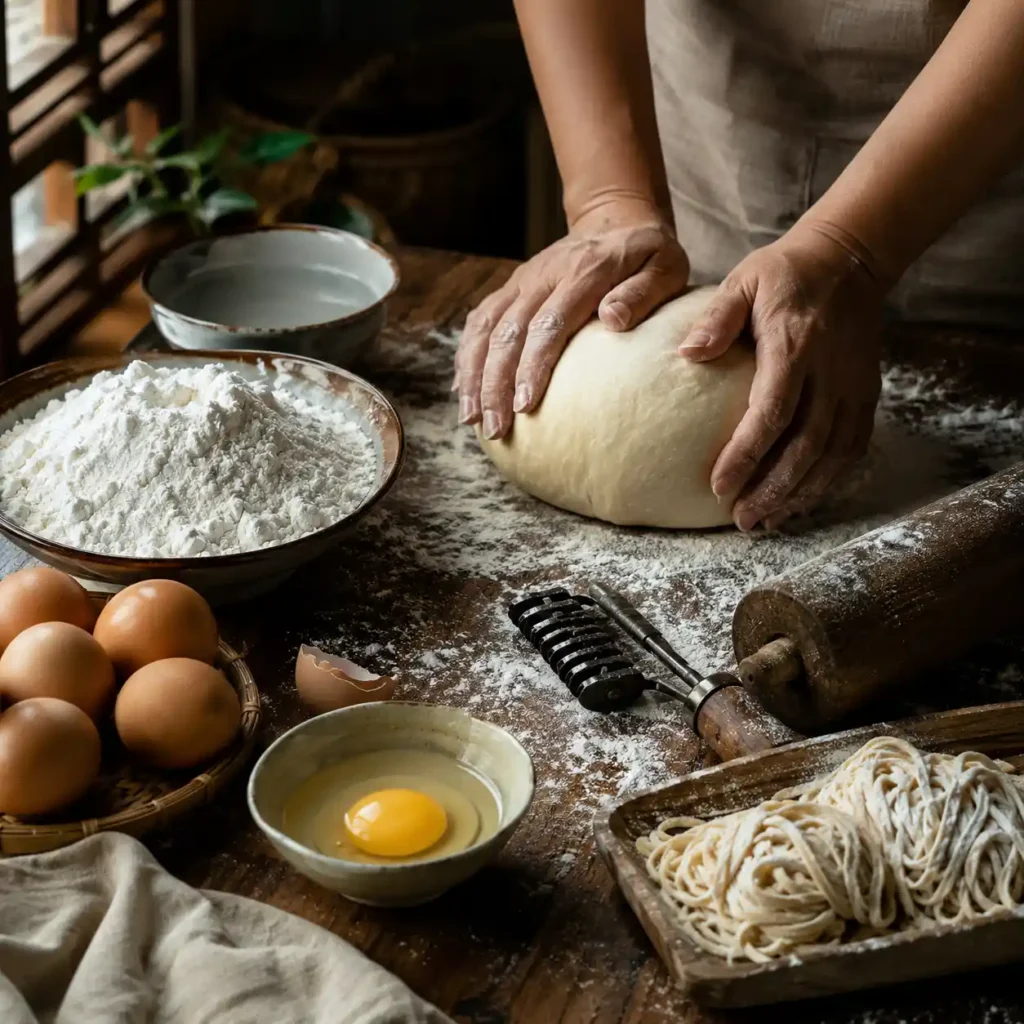
To achieve professional results, you need the right building blocks. You don’t need a professional kitchen, but a few specific items will make your life much easier.
FDA food safety guidelines.
Best Flour and Dough Ingredients
Your choice of flour is the most important decision you will make. In my homemade noodles flour review, I generally recommend “00” flour or high-quality semolina. “00” flour is finely ground, which leads to a silky-smooth texture.
Semolina, on the other hand, adds a pleasant grit and helps the noodles hold their shape. Classic Italian pastina recipe.
A homemade noodles dough review often focuses on the ratio of liquid to flour. This is known as dough hydration. If the dough is too wet, it will stick to everything. If it is too dry, it will crumble.
Most experts suggest a hydration level where the dough feels like “earlobe” consistency—soft, pliable, but not sticky. Understanding dough hydration for noodles is the difference between a frustrating mess and a successful batch. CDC food safety information.
Essential Tools for Making Noodles
While you can make noodles with just your hands, some tools are game-changers. Let’s look at a homemade noodles kitchen tools review: The Work Surface: A large wooden board or a clean marble counter is ideal. Wood adds a slight texture to the dough, which helps the sauce cling to the final noodle.
Rolling Pin: A rolling pin noodles review suggests using a straight, French-style pin. This gives you more control over the pressure and thickness compared to pins with handles. Cappelletti pasta recipe.
Pasta Maker: If you plan on making noodles often, a pasta maker homemade noodles review will tell you it’s worth the investment. It ensures a uniform thickness that is very hard to achieve by hand.
NCCIH wellness resources.
Optional Accessories for Beginners
If you are just starting, you might want a few extra helps. A homemade noodles rolling technique review often emphasizes the use of a bench scraper to keep your surface clean. For the cutting stage, a homemade noodles cutting method review suggests using a fluted pastry wheel for fun shapes or a simple, sharp knife for rustic, hand-cut ribbons.
These tools aren’t strictly necessary, but they add a level of “polish” to your final product. FAO dietary guidelines.
Step-by-Step Guide to Homemade Noodles
Now we get to the heart of the matter. Follow these steps carefully, and you will have a perfect batch of noodles in no time.
Pasta and weight management.
Making Dough from Scratch
This homemade noodles from scratch review starts with the “well” method. Pile your flour on the counter and make a hole in the center. Crack your eggs into that hole. Use a fork to gently whisk the eggs, slowly bringing in flour from the edges.
EFSA healthy diets resources.
This step-by-step review is crucial for homemade noodles for beginners. Don’t rush the kneading. You need to knead the dough for at least 10 minutes until it is smooth and elastic. Afterward, resting the dough for noodles is non-negotiable.
Wrap it in plastic and let it sit for 30 minutes. This allows the gluten to relax, making it much easier to roll out later. Rice vs egg noodles comparison.
Rolling, Cutting, and Shaping
Once your dough has finished resting, the gluten is relaxed and ready to be shaped. In this homemade noodles thickness review, consistency is the most important factor. If your noodles vary in thickness, they will cook unevenly—some will be mushy while others remain hard.
Harvard T.H. Chan School of Nutrition.
The Rolling Technique for Noodles: Divide your dough into four manageable pieces. Keep the ones you aren’t working with covered so they don’t dry out. On a lightly floured surface, use your rolling pin to push from the center outward.
A key homemade noodles rolling technique review tip is to rotate the dough 45 degrees after every few rolls. This ensures a circular, even sheet. You should aim for a thickness of about 1mm—roughly the thickness of a playing card. You should almost be able to see the shadow of your hand through the dough. Gluten-free noodle options.
The Hand-Cut Noodles Review: If you don’t have a machine, don’t worry. The “accordion fold” is the gold standard cutting method for homemade noodles. Generously dust your thin sheet of dough with flour or semolina. Fold it loosely into a flat, wide roll. Using a very sharp chef’s knife, slice across the roll.
Linguine: 1/8 inch wide. Fettuccine: 1/4 inch wide. Pappardelle: 1 inch wide. British Nutrition Foundation.
After cutting, use your fingers to gently shake out the “nests.” The sight of long, elegant ribbons is one of the most satisfying parts of the homemade noodles step-by-step review.
Medical News Today health articles.
Cooking the Perfect Noodles
Cooking fresh pasta is significantly faster than cooking dried pasta. A homemade noodles cooking review highlights that while dried pasta takes 8–12 minutes, fresh noodles are often done in 2 to 4 minutes.
WebMD nutrition resources.
The “Float” Test: In a large pot of heavily salted boiling water, drop your noodles in. They will initially sink. As soon as they rise to the surface and float, they are nearly done. Cooking Performance Homemade Noodles: Fresh noodles are porous. They will absorb sauce much more effectively than store-bought versions.
If you are making homemade noodles for soup review, it is best to cook the noodles separately and add them to the bowl just before serving. This prevents them from becoming mushy in the broth. Healthline nutrition guides.
Stir Fry and Ramen: For homemade noodles for stir fry review, undercook them slightly (about 90 seconds), then toss them into a high-heat wok with your sauce. They will finish cooking in the pan. Similarly, a homemade ramen noodles review suggests adding a pinch of “kansui” (alkaline water) or baking soda to the dough to give the noodles that classic yellow hue and springy snap.
Mayo Clinic healthy diet basics.
Fresh vs Store-Bought Comparison
When we look at the homemade noodles vs store-bought review, the shelf life is the only area where store-bought wins. However, the homemade noodles texture vs store-bought review reveals that the “freshness gap” is massive.
Store-bought noodles are often treated with chemicals to stay shelf-stable for two years. Your homemade version is a pure, “living” food product. ACSM athlete nutrition.
Specialty Noodles
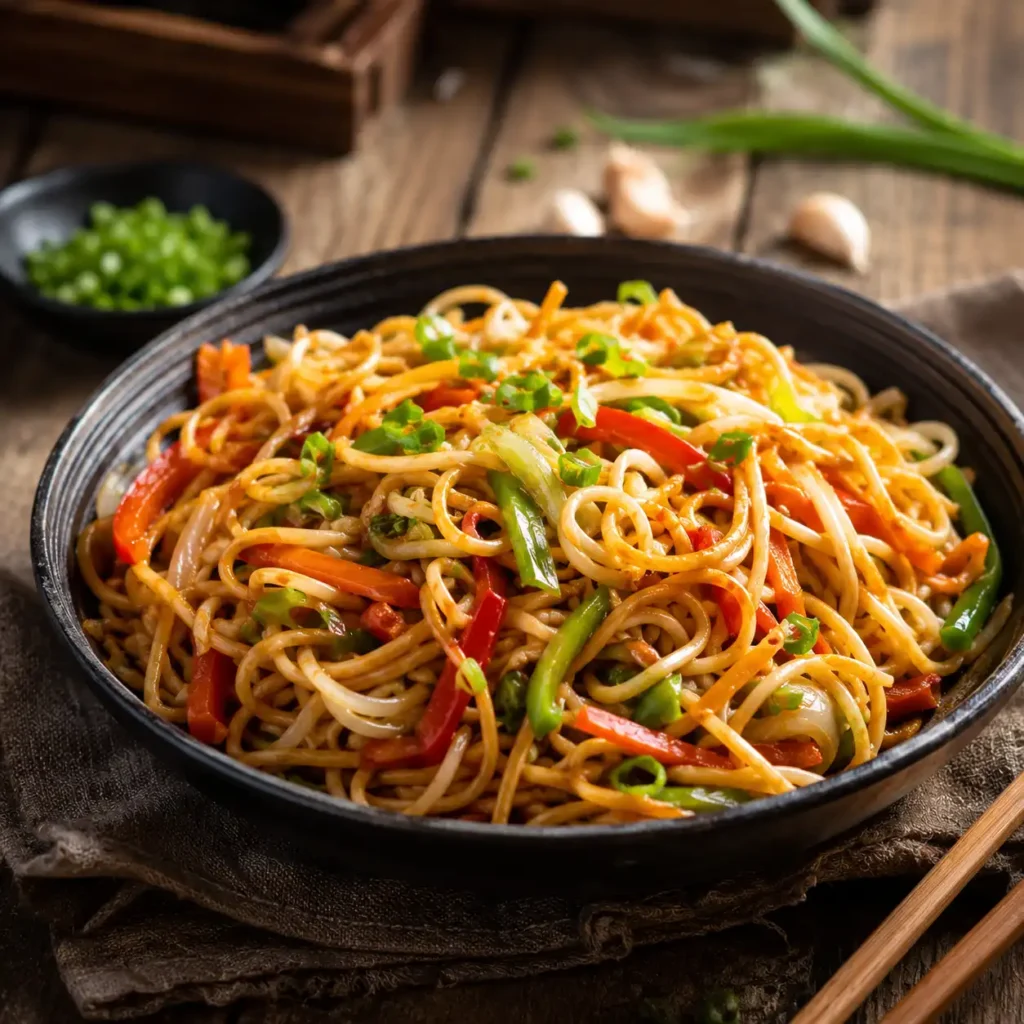
The beauty of the homemade noodles from scratch process is its versatility. You are not limited to the standard white-flour ribbon. By altering your base, you can create a completely different culinary experience.
Egg Noodles and Variations
When people think of comfort food, they usually picture homemade egg noodles and favorites like stroganoff or chicken noodle soup. These are enriched with whole eggs, which provide a yellow hue and a rich, fatty mouthfeel.
The Richness Factor: For a more decadent “Golden Noodle,” try substituting two whole eggs with four egg yolks. This increases the fat content, leading to a silkier homemade noodles texture. Eggless Alternatives: On the other hand, the homemade noodles without eggs review shows that “water-based” noodles (common in many Asian traditions) have a cleaner, more wheat-forward taste.
These are ideal for heavy, oily sauces where you want the noodle to act as a neutral canvas.
Wheat and Healthy Alternatives
If you are looking for a more nutritious option, a homemade wheat noodles review is essential. Whole wheat flour contains the bran and germ, which provide more fiber and a nuttier profile. Academy of Nutrition guidelines.
The Health Angle: According to healthy homemade noodles review data, whole-grain noodles have a lower glycemic index, meaning they won’t cause the same blood sugar spikes as refined white pasta. Texture Adjustment: Because whole wheat flour is “sharper” (the bran can actually cut the gluten strands), your homemade noodles’ consistency review might find them to be slightly denser.
To fix this, mix 50% whole wheat with 50% “00” or bread flour to maintain a pleasant chew.
Noodles for Kids and Families
Making homemade noodles for kids is one of the best ways to get picky eaters involved in the kitchen. The “Play-Doh” Effect: The dough has a tactile quality that kids love. Let them help with the kneading or use cookie cutters to make “alphabet” or “dinosaur” noodles.
Hiding Nutrients: A popular homemade noodles for kids review tip is to blend spinach or cooked carrots into the eggs before mixing them with flour. This creates vibrant “green” or “orange” noodles that sneak in a serving of vegetables without a fight. NIH vitamin E factsheet.
Taste and Quality Tips
Lamination: The Secret to the “Al Dente” Snap
In this homemade noodles taste improvement review, we must discuss lamination. Most beginners simply roll the dough once and cut it. However, to get that world-class “snap,” you must fold the dough. American Heart Association fiber research.
The Process: If using a machine, set it to the widest setting. Pass the dough through, then fold it into thirds like a business letter. Rotate it 90 degrees and pass it through again. The Science: This repetitive folding aligns the gluten strands into a structured, multi-layered matrix.
This is exactly why a homemade noodles elasticity review often favors laminated dough. It builds a “bite” that resists turning to mush, ensuring your improved homemade noodle taste efforts result in a professional texture that holds its own against heavy sauces. UNEP sustainable food systems.
The Salt Secret: Strengthening Protein Bonds
Many home cooks treat salt as a mere seasoning. In a homemade noodles flavor review, we view salt as a structural requirement. The Reaction: When you integrate fine sea salt into the flour well, the sodium ions interact with the wheat proteins (glutenin and gliadin).
This makes the dough stronger and less sticky. Clinical Tip: Use about 2% salt relative to your flour weight. This creates a savory foundation that carries the egg’s richness throughout the entire noodle, rather than just on the surface. USDA dietary guidelines.
Advanced Noodle Quality Tips for Professional Results
To reach the pinnacle of a homemade noodles overall review, the way you treat the noodles after it leaves the cutting board is just as vital as the dough itself.
The Sea-Water Standard (Osmotic Seasoning)
Your boiling water should be heavily salted—aim for roughly 1% to 2% salinity. This is critical for the cooking performance of homemade noodles. Why it works: If the water isn’t salty, the salt inside your noodles will leach out into the pot through osmosis, leaving the pasta bland.
By salting the water, you ensure the flavor stays locked within the noodle. Furthermore, salted water slightly increases the boiling point, which helps the starches on the surface of the noodle gelatinize properly without becoming slimy. Integrative health vitamin C guide.
The Cold Shock: Starch Retrogradation
For cold dishes, ramen, or any homemade noodles for stir fry review, the “Cold Shock” is non-negotiable. The Ice Bath: Immediately after the noodles reach a perfect al dente, plunge them into a bowl of ice-cold water for 30–60 seconds.
The Benefit: This process, known as starch retrogradation, immediately stops the cooking process and washes away excess surface starch. This is the homemade noodle quality tips secret to preventing that “clumping” effect. It locks in a chewy, springy texture that is the hallmark of a high-end homemade noodles quality review.
Frequently Asked Questions
Can I make noodles without eggs?
Yes. You can use water or even vegetable purées. These will be less “rich” but have a fantastic, chewy texture perfect for ramen or stir-fry. Ayurvedic wellness resources.
What is the best flour for chewy noodles?
High-protein flours like Bread Flour or Semolina are best for chewiness. “00” flour is better for silky, soft noodles like ravioli.
How long can homemade noodles be stored?
In the fridge, they last 1–2 days. In the freezer, they can last up to 6 months. Always freeze them in “nests,” so they don’t stick together.
Why do my noodles break when I cook them?
This usually means the dough wasn’t kneaded enough or didn’t rest long enough. The gluten wasn’t strong enough to hold the shape in boiling water. Harvard Health antioxidants guide.
Do I really need a pasta machine?
No! A simple rolling pin and a sharp knife can produce world-class noodles. A machine just makes the process faster and more uniform.
Can I use gluten-free flour?
Yes, but you will need a binder like Xanthan Gum to replicate the “stretch” of gluten. FAO food-based dietary guidelines.
How do I prevent noodles from sticking in the pot?
Use a massive pot with plenty of water. Contrary to popular belief, oil in the water doesn’t help much—stirring the noodles for the first 30 seconds is the real secret. EFSA healthy diets overview.
Why are my noodles “gummy”?
You likely overcooked them or didn’t use enough salt in the water. Fresh noodles cook in 2–4 minutes; stay close to the pot!
Conclusion
The overall guide to homemade noodles shows that while it requires a bit of “elbow grease,” the rewards are monumental. Between the 40% cost savings compared to “gourmet” store brands and the 100% improvement in flavor, making your own pasta is a top-tier kitchen skill.
Whether you are focused on a healthy homemade noodles review or just want a fun family activity, the humble mix of flour and liquid remains one of the greatest culinary triumphs in history. CDC fruits and vegetables for health.
Authoritative References
- WebMD. (2026). The benefits of vitamin C. https://www.webmd.com/diet/features/the-benefits-of-vitamin-c
- Food and Agriculture Organization of the United Nations. (2026). Food-based dietary guidelines. https://www.fao.org/nutrition/education/food-dietary-guidelines/home/en/
- Harvard T.H. Chan School of Public Health. (2026). Vegetables and fruits. https://www.hsph.harvard.edu/nutritionsource/what-should-you-eat/vegetables-and-fruits/
- Harvard Health Publishing. (2026). Truth about antioxidants. https://www.health.harvard.edu/healthbeat
- National Library of Medicine. (2026). Antioxidants in health and disease. https://pmc.ncbi.nlm.nih.gov/
- European Food Safety Authority. (2026). Healthy diet resources. https://www.efsa.europa.eu/en/topics/topic/healthy-diets
- World Health Organization. (2026). Healthy diet fact sheet. https://www.who.int/health-topics/healthy-diet
- Centers for Disease Control and Prevention. (2026). Fruits and vegetables for a healthy weight. https://www.cdc.gov/nutrition/fruits-vegetables/index.html
- Ayurveda.com. (2026). Amla Indian gooseberry guide. https://www.ayurveda.com/articles/amla-indian-gooseberry
- Eating a balanced diet. https://www.nhs.uk/live-well/eat-well/how-to-eat-a-balanced-diet/eating-a-balanced-diet/

