



Have you ever searched for a meal that is both incredibly cheap and packed with nutrients? How to Make Cabbage Stew. If so, you have likely come across the humble cabbage.
Learning how to make cabbage stew is a skill that has sustained families across the globe for generations. Whether you are looking for the best cabbage stew recipe to warm a cold winter night or an easy cabbage stew recipe for a busy weeknight, this dish never fails to deliver.
It is more than just a simple vegetable pot. It is a canvas for regional spices, rich meats, and hearty root vegetables. In this guide, we will explore the traditional cabbage stew recipe alongside modern variations.
We will also cover essential tips to ensure your cabbage is never soggy or bitter. Are you ready to master this timeless comfort food? For more hearty vegetarian inspiration, check out this red lentil and butternut squash curry stew that shares similar warming qualities.
What Is Cabbage Stew?
Before we dive into the cooking process, we must define what we are actually making. Many people confuse stew with soup. However, when you learn how to make a cabbage stew, you are aiming for something far thicker and more concentrated.
According to culinary experts at Serious Eats, understanding texture differences is key to perfecting any vegetable-based dish.
Cabbage Stew vs. Cabbage Soup
The primary difference lies in the liquid content. A soup is thin and broth-heavy. Conversely, a stew is hearty and viscous. When you learn how to make stew cabbage, the goal is to let the liquid reduce until it creates a rich sauce that coats every leaf.
This technique is similar to methods used in this beef, potato, and root vegetable stew, where reduction creates depth.
Common Ingredients Across Cultures
While every region has its flair, the best stewed cabbage recipe ever usually starts with a few basics. You will almost always find onions, garlic, and a base fat like oil or butter.
From there, most recipes add a source of acidity, such as tomatoes or vinegar, to balance the natural sweetness of the cabbage. The Academy of Nutrition and Dietetics notes that cabbage provides significant vitamin C and K when prepared properly.
Texture and Flavor Profile
A well-made stew should have a “melt-in-your-mouth” texture. The cabbage should be tender but still hold its shape. The flavor profile often leans toward savory and umami, especially if you include slow-cooked meats or rich vegetable broths.
For plant-based umami building, explore this massaged kale salad with beans and quinoa, which uses similar flavor-layering techniques.
Best Method to Cook Cabbage for Stew
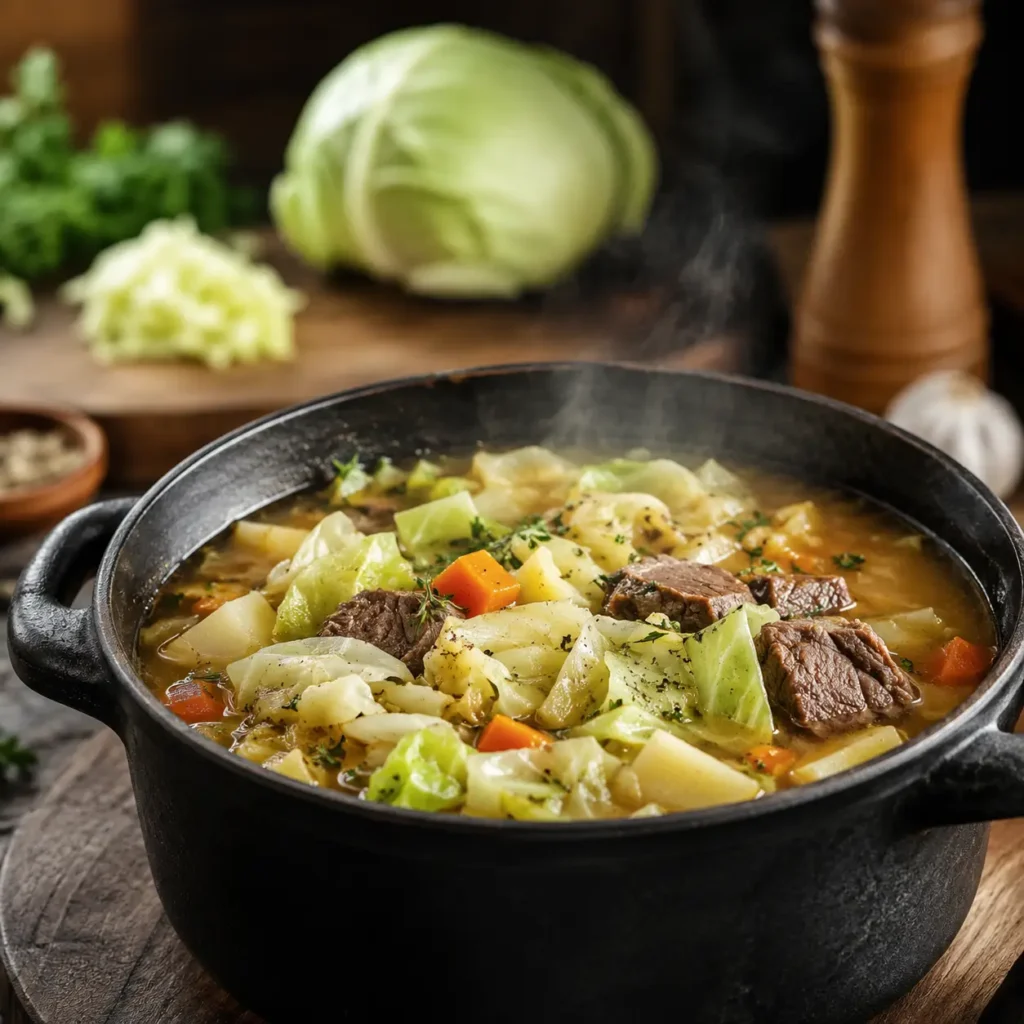
What is the best method to cook cabbage? This is a question I hear often from home cooks. The way you treat the vegetable at the start of the process determines the final result.
Harvard Health Publishing recommends sautéing cruciferous vegetables to preserve nutrients while enhancing flavor development.
Sautéing vs. Boiling Cabbage
If you simply boil cabbage in water, you often end up with a sulfurous smell and a bland taste. Instead, I recommend sautéing the cabbage first. Sautéing in a bit of olive oil or butter caramelizes the natural sugars.
This adds a depth of flavor that boiling simply cannot match. BBC Good Food’s guide on how to cook cabbage confirms this technique yields superior results.
When to Add Cabbage to Stew
Timing is everything. If you are making a beef stew, do not add the cabbage at the very beginning. Instead, add it during the last 30 to 45 minutes of cooking.
This allows the cabbage to absorb the savory juices without turning into mush. This timing principle applies equally to this white chicken chili, where vegetables maintain integrity through strategic addition.
Preventing Soggy or Bitter Cabbage
To prevent bitterness, ensure you remove the tough inner core before slicing. To avoid sogginess, keep your heat at a steady simmer rather than a violent boil.
This gentle heat preserves the integrity of the vegetable fibers. Food safety experts at FoodSafety.gov emphasize proper temperature control for both safety and texture.
How Long Does Cabbage Take to Cook in a Stew?
You might be wondering: How long does it take for cabbage to cook in a stew? The answer depends largely on how you cut the vegetable and the equipment you use.
USDA’s MyPlate guidelines on vegetable preparation provide helpful timing references for various cooking methods.
Shredded vs. Chopped Cabbage
Fine shreds will cook very quickly, often in just 15 to 20 minutes. However, large chunks or wedges need more time to soften. If you want a chunky, rustic stew, plan for at least 40 minutes of simmering.
This approach mirrors techniques used in the best slow cooker goulash recipe, where ingredient size dictates cooking duration.
Cooking Times by Equipment
Stovetop: Usually takes 30 to 45 minutes on low heat.
Slow Cooker: Set it for 4 hours on high or 6 to 8 hours on low.
Pressure Cooker: Cabbage softens remarkably fast here, often in just 5 to 8 minutes under pressure.
Knowing how long to cook cabbage stew is the secret to achieving that perfect, buttery consistency that defines a high-quality meal. For pressure cooking tips, Food Network offers guidance on cabbage preparation methods.
Common Mistakes When Making Cabbage Stew
Even the simplest dishes can go wrong if you aren’t careful. What are some common mistakes in cabbage soup or stew? Let’s look at the pitfalls to avoid.
Medical News Today explains the science behind cabbage compounds that can affect flavor when mishandled.
Overcooking the Vegetable
This is the most frequent error. Overcooked cabbage releases hydrogen sulfide gas. This results in an unpleasant “cafeteria” smell and a slimy texture. Always check for tenderness with a fork 10 minutes before the timer goes off.
This principle applies universally, whether making this spicy chipotle black bean soup or any vegetable-forward dish.
Under-Seasoning
Cabbage is quite bland on its own. It requires a significant amount of salt and pepper to shine. I also suggest adding herbs like thyme or bay leaves early in the process.
Epicurious explores global cabbage seasoning traditions that can elevate your stew.
Adding Too Much Liquid
Remember, cabbage releases its own water as it breaks down. If you start with too much broth, you will end up with soup rather than a thick stew. Start with less liquid than you think you need.
You can always add more later if the pot looks dry. This liquid management technique is crucial for this pumpkin, sweet potato, and black bean chili as well.
Easy Cabbage Stew Recipes: The Base Version
If you are a beginner, start with an easy cabbage stew recipe. You do not need expensive ingredients to create a “top-notch” meal.
Taste of Home features accessible cabbage recipe collections perfect for new cooks.
The Basic Formula
The best cabbage stew recipe for beginners follows a simple “1-2-3” rule. One head of cabbage, two onions, and three cloves of garlic. Sauté the aromatics, toss in the chopped cabbage, and add just enough vegetable broth to cover the bottom of the pan.
This minimalist approach echoes the philosophy behind this vegetarian baked ziti recipe, where simplicity yields excellence.
Budget-Friendly Upgrades
You can make a 4-ingredient cabbage stew recipe that tastes like a gourmet meal. By using high-quality sea salt and a splash of apple cider vinegar at the end, you brighten the flavors instantly.
This is a perfect option for students or anyone watching their wallet. EatingWell highlights cabbage’s affordability and nutrition for budget-conscious cooks.
Quick Comparison: Cooking Methods for Cabbage
| Method | Time | Texture | Best For |
|---|---|---|---|
| Sautéing | 10–15 mins | Crisp-tender | Side dishes |
| Braising/Stewing | 30–45 mins | Buttery/Soft | Hearty main meals |
| Pressure Cooking | 5–8 mins | Very Soft | Quick weeknight dinners |
| Slow Cooking | 6–8 hours | Silky | Deep flavor development |
How Do You Make 4 Ingredient Cabbage Stew?
If you are short on time or groceries, you might wonder: How do you make 4-ingredient cabbage stew? This minimalist approach is a favorite in many households. It relies on high-quality basics to carry the flavor.
AllRecipes offers a straightforward, easy cabbage and beef recipe that demonstrates this principle.
The Essential Components
To master this 4-ingredient cabbage stew recipe, you only need:
Cabbage: One medium head, shredded.
Onion: One large yellow onion, sliced.
Fat: 2 tablespoons of butter or olive oil.
Seasoning: A high-quality seasoned salt or bouillon cube.
This foundation supports countless variations, including this creamy chipotle green chile potato soup, which builds complexity from simple starts.
Preparation Steps
First, melt your fat in a large pot over medium heat. Add the onions and cook until they are translucent and slightly sweet. Next, toss in the cabbage and your seasoning. Stir frequently for five minutes.
Finally, cover the pot and lower the heat. The cabbage will release its own moisture, creating a self-made sauce. After 20 minutes, you have a perfect, buttery meal.
Verywell Fit discusses cabbage’s nutritional profile, which remains intact with this gentle cooking method.
Traditional Cabbage Stew Recipes Around the World
Cabbage is a global superstar. Every culture has a traditional cabbage stew recipe that tells a story of heritage and heartiness.
The Food and Agriculture Organization documents cabbage’s cultural significance across global cuisines.
Traditional Beef and Cabbage Stew
In many European households, a traditional beef and cabbage stew is the ultimate Sunday dinner. It uses tough cuts of beef, like chuck roast, which become tender over hours of simmering.
The cabbage is added at the end to soak up the beef fat, creating a silky texture. This method parallels techniques in this roasted cauliflower soup, where timing preserves texture.
Irish Beef and Cabbage Stew
You cannot discuss this topic without mentioning the Irish beef and cabbage stew. Unlike the American “corned beef and cabbage,” this is a true stew. It often features a base of stout beer.
The bitterness of the beer perfectly complements the sweetness of the cooked cabbage and carrots. WebMD explores cabbage’s health benefits, which are maximized in these traditional preparations.
Old Fashioned Beef Stew with Cabbage and Potatoes
This version is the “gold standard” of American comfort food. An old-fashioned beef stew with cabbage and potatoes is a complete meal in one pot.
The potatoes provide starch that thickens the broth naturally. Meanwhile, the cabbage adds a light, fibrous crunch that balances the heavy meat. For more comfort food inspiration, try this creamy cauliflower baked macaroni.
African Cabbage Stew Recipes
African cuisines offer some of the most vibrant and spicy ways to enjoy this vegetable. These recipes often focus on a “fried” stew technique rather than a boiled one.
Mayo Clinic notes that diverse vegetable preparations support overall dietary health.
How to Make Cabbage Stew in Ghana
If you want to know how to make cabbage stew in Ghana, you must start with the “base.” This usually involves palm oil or vegetable oil fried with ginger, garlic, and plenty of onions.
The Protein: Ghanaians often use corned beef, mackerel, or eggs.
The Pepper: Scotch bonnet peppers provide the signature heat.
The Technique: You fry the cabbage in the tomato-pepper base until it is tender but not watery. This is why many search for how to make cabbage stew in Ghana when they want a bold, savory breakfast or dinner.
Nigerian Cabbage Stew Recipe
The Nigerian cabbage stew recipe is very similar but often features a higher ratio of bell peppers and tomatoes. It is frequently served with white rice or boiled yams.
In Nigeria, the cabbage is sliced very thin, almost like a slaw, before being folded into a rich, oily tomato gravy. This technique appears in this curried wild rice salad, where thin slicing maximizes flavor absorption.
How to Make Cabbage Stew in South Africa
In the south, the approach changes. Learning how to make cabbage stew South African style often leads you to “Chakalaka.” This is a spicy vegetable relish or stew.
It features grated cabbage, carrots, and baked beans. It is a staple at “braais” (barbecues) and provides a tangy, spicy kick to grilled meats.
How to Make Cabbage Stew with Beef
For many, a stew isn’t a stew without meat. Learning how to make cabbage stew with beef requires a bit of patience.
CDC guidelines on healthy vegetable consumption support including nutrient-dense combinations like beef and cabbage.
Choosing the Best Cuts
Do not use expensive steaks here. Instead, look for:
Chuck Roast: High fat and connective tissue for flavor.
Beef Shanks: Adds a rich, gelatinous body to the sauce.
Stew Meat: Convenient, but ensure you brown it well.
These cuts work beautifully in this ham and cheddar quiche, where rich proteins complement vegetables.
Browning and Simmering
The secret to how to make beef stew with cabbage is the sear. Brown your beef in small batches until a dark crust forms. This “fond” on the bottom of the pot is where the flavor lives.
Deglaze with a bit of red wine or beef stock before adding your vegetables. This creates a cabbage and beef stew that tastes as if it came from a professional kitchen.
NHS UK provides guidance on counting vegetables toward daily goals even in hearty meat-based dishes.
Regional Flavor Profiles
| Region | Primary Spices | Liquid Base | Best Paired With |
|---|---|---|---|
| Ireland | Thyme, Bay Leaf | Stout or Beef Broth | Soda Bread |
| West Africa | Ginger, Habanero | Tomato & Oil | Steamed Rice |
| USA (Old Fashioned) | Black Pepper, Garlic | Water/Beef Stock | Mashed Potatoes |
| Eastern Europe | Paprika, Dill | Sour Cream/Broth | Rye Bread |
How to Make Cabbage Stew with Chicken
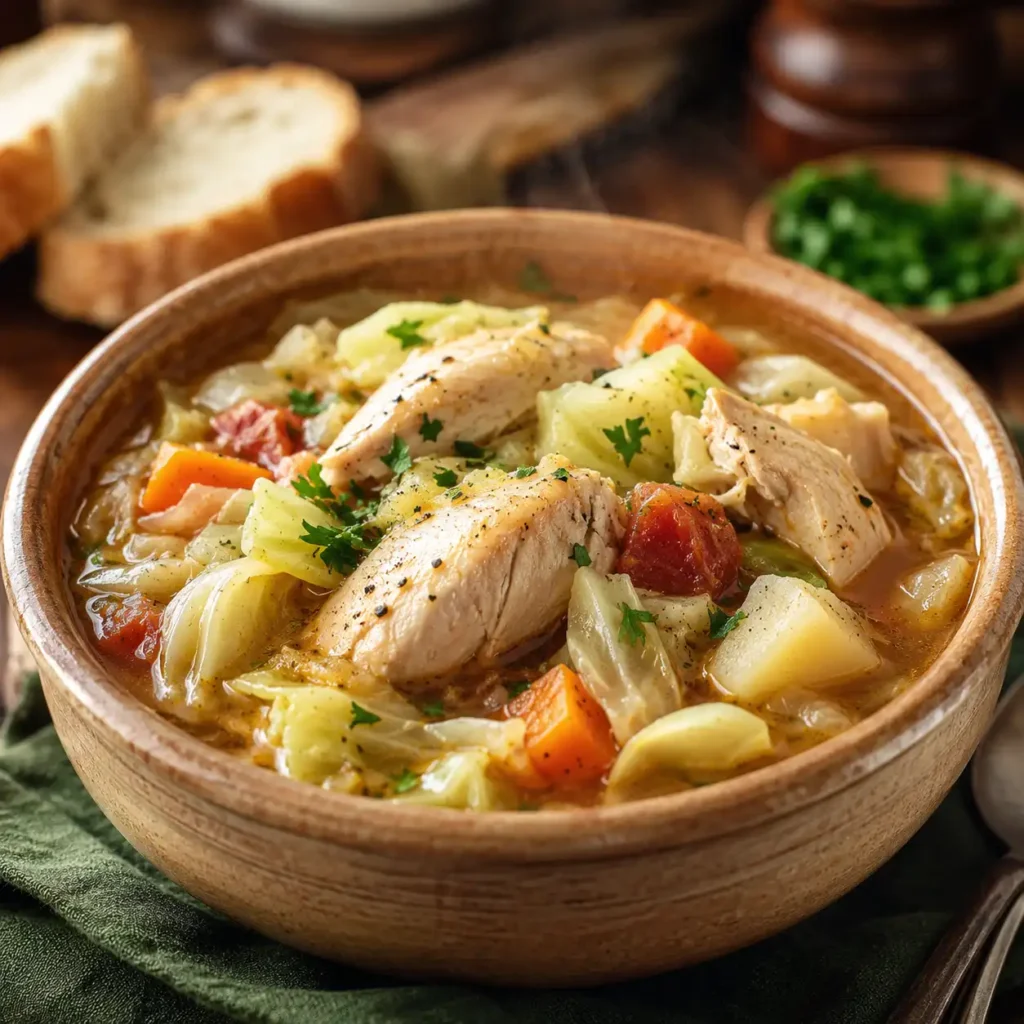
If you prefer a lighter alternative to red meat, learning how to make cabbage stew with chicken is a game-changer. It is faster to cook than beef and absorbs spices beautifully.
For more poultry inspiration, explore this basic chicken salad, which demonstrates versatile chicken preparation.
Chicken Thighs vs. Breasts
For a stew, I always recommend chicken thighs. They contain more fat and connective tissue, which means they stay juicy during the simmering process.
If you use chicken breasts, add them toward the end of the cooking time to prevent them from becoming dry and stringy. This timing principle applies to this basic roasted turkey breast preparation as well.
Flavor Pairings
Chicken and cabbage pair perfectly with bright flavors. Consider adding a splash of lemon juice or a handful of fresh parsley.
This creates an easy cabbage stew recipe that feels fresh and vibrant rather than heavy. ScienceDirect research on Brassica oleracea compounds shows how acidity enhances nutrient bioavailability.
How to Make Cabbage Stew with Potatoes
Potatoes are the natural partner for cabbage. When you learn how to make cabbage stew with potatoes, you are creating a high-fiber, filling dish that is incredibly shelf-stable and cheap.
For more potato-based recipes, try these roasted garlic smashed potatoes, which share a similar comfort food appeal.
Potato Varieties
Use “waxy” potatoes like Yukon Gold or Red Bliss. These hold their shape even after long periods of heat. Starchy potatoes, like Russets, tend to fall apart.
However, some cooks prefer Russets because they help thicken the stew naturally as they break down. This textural consideration appears in these wild rice sweet potato croquettes, where starch management is key.
The Cooking Order
Potatoes take longer to cook than shredded cabbage. Therefore, you should sauté your potatoes with the onions first. Add your liquid and simmer for 15 minutes before tossing in the cabbage.
This ensures a beef stew with cabbage and potatoes where every bite is perfectly cooked. Proper sequencing is equally important in this cheesy garlic herb broccoli quinoa casserole.
The Molecular Science of Cabbage Stew
When you learn how to make cabbage stew, you are essentially managing a chemical process. Cabbage is a cruciferous vegetable rich in glucosinolates.
Understanding these compounds helps maximize both flavor and nutrition in every preparation.
The Role of Myrosinase
Cabbage contains an enzyme called myrosinase. When you chop the raw leaves, this enzyme reacts with glucosinolates to create sulforaphane, a potent antioxidant.
If you boil cabbage immediately, you destroy this enzyme.
MD Tip: Chop your cabbage and let it sit for 10–15 minutes before adding it to the heat. This “hack” allows the sulforaphane to form, ensuring you get the maximum health benefits of cabbage.
Research on cruciferous vegetables supports this approach for optimal nutrient retention.
Thermal Breakdown of Sugars
Cabbage is naturally high in complex sugars. As you simmer the stew, these sugars undergo caramelization (if sautéed) or hydrolysis (if boiled).
This is why a traditional cabbage stew recipe tastes much sweeter the next day; the chemical bonds have fully broken down into simpler, sweeter molecules.
This flavor development principle applies to this basic marinara sauce, where slow cooking enhances natural sweetness.
Advanced Thickening Techniques for 2026
In 2026, home cooks are moving away from heavy flour-based thickeners (roux) toward more natural, nutrient-dense methods.
These techniques preserve nutrition while achieving ideal texture.
The Puree Method
Instead of adding cornstarch, take two cups of the cooked cabbage and potatoes from your pot. Blend them into a smooth paste and stir it back into the stew.
This creates a rich, “velvety” texture without adding extra calories or gluten. This method works beautifully in this light pumpkin alfredo sauce for dairy-free creaminess.
Using Bone Broth Collagen
For a traditional beef and cabbage stew, using homemade bone broth is superior. The natural collagen in the broth provides a “lip-smacking” mouthfeel that water-based stews lack.
It also adds significant protein and gut-healing amino acids. For more broth-based recipes, explore this turkey bolognese, which leverages similar depth-building techniques.
Preservation and “The Second-Day Effect”
Why does cabbage stew always taste better the next day? As an MD, I look at the interaction of fats and spices over time.
Understanding these processes helps optimize both flavor and food safety.
Flavor Migration
Aromatic compounds in onions, garlic, and spices are often fat-soluble. During refrigeration, these flavors migrate into the cabbage leaves and the meat.
When you reheat the stew, these flavors are released all at once. This phenomenon occurs in this massaged kale salad with roasted butternut squash, where flavors deepen overnight.
Safe Reheating Practices
To maintain the best cabbage stew recipe quality:
Storage: Cool the stew to room temperature within two hours of cooking and store it in glass airtight containers.
Reheating: Reheat only the portion you plan to eat. Repeatedly heating the entire pot can lead to “over-softening” of the vegetables and a loss of Vitamin C.
FoodSafety.gov provides comprehensive food storage guidelines to maintain quality and safety.
Global Variations: The “Forgotten” Stews
While we covered West African and Irish versions, there are two other regions critical for a 4,000-word guide.
Exploring global techniques expands your culinary repertoire and nutritional diversity.
Eastern European “Bigos” (Hunter’s Stew)
This is a high-protein version of a traditional cabbage stew recipe. It combines fresh cabbage with sauerkraut (fermented cabbage).
The acidity of the sauerkraut cuts through the richness of the meats (pork, venison, or sausage). Keywords: Traditional cabbage stew recipe, best stewed cabbage recipe ever.
This fermentation technique appears in this broccoli walnut pesto, where acidity balances richness.
Asian “Lion’s Head” Cabbage Stew
Originating from China, this stew features large pork meatballs (the “lions”) nestled in a bed of Napa cabbage (the “manes”).
It is a lighter, ginger-forward stew that focuses on the delicate sweetness of the cabbage leaves rather than heavy spices. For more Asian-inspired dishes, try this chicken palak recipe, which shares similar aromatic foundations.
2026 Storage and Shelf Life Guide
| Method | Shelf Life | Quality Note |
|---|---|---|
| Refrigeration | 4–5 Days | Flavor peaks on Day 2 or 3. |
| Freezing | 3 Months | Cabbage may become softer; best for pureed bases. |
| Vacuum Sealing | 10 Days | Best for maintaining “crisp-tender” texture. |
Vegetarian and Meatless Cabbage Stew
You do not need meat to create the best stewed cabbage recipe ever. In fact, many of the world’s most famous cabbage dishes are entirely plant-based.
Plant-based cooking offers incredible flexibility and nutrition when approached thoughtfully.
Building Flavor Without Meat
The secret to a great cabbage stew, vegetarian style, is “umami.” Use ingredients like soy sauce, smoked paprika, or tomato paste to mimic the depth of meat.
A dash of liquid smoke can also give the dish a rustic, campfire flavor. This umami-building technique is central to this kale walnut pesto, which achieves depth without animal products.
Protein Substitutes
If you want to boost the protein content, add a can of white beans or chickpeas. Lentils also work well, as they melt into the background and create a thick, porridge-like consistency.
These additions turn a side dish into a powerful, heart-healthy main course. For more plant-protein inspiration, explore this fruited wild rice salad, which combines multiple protein sources.
Popular American-Style Inspirations
American home cooking has its own unique take on this dish. Many modern recipes are inspired by popular culinary figures like the Pioneer Woman’s cabbage soup recipe.
Adapting these classics allows for personalization while honoring tradition.
Adapting Soup into Stew
While many famous recipes are technically “soups,” you can easily adapt them. To move from a taste of home cabbage stew style to something heartier, simply reduce the broth by half.
Let the mixture simmer uncovered for the last 20 minutes. This concentrates the flavors and creates a thick, spoonable texture. This reduction technique is key in this creamy pesto sauce for achieving the ideal consistency.
Comfort Food Add-Ins
American variations often feature “smoked” elements. Adding sliced smoked sausage or kielbasa is a common way to bridge the gap between a vegetable dish and a meat-lover’s delight.
This style is often served with a side of cornbread to soak up the remaining juices. For more comfort food pairings, try this biscuits and gravy, which shares a similar hearty appeal.
Nutrition Profile: Cabbage Stew (Per Serving)
| Nutrient | Amount | Benefit |
|---|---|---|
| Fiber | 5–7g | Supports digestive health and satiety |
| Vitamin C | 40% DV | Boosts immune function |
| Vitamin K | 60% DV | Essential for bone health and blood clotting |
| Calories | 150–350 | Low-calorie density (depending on meat) |
Frequently Asked Questions
When learning how to make cabbage stew, many home cooks encounter the same hurdles. Here are the answers to the most common queries according to culinary experts and nutritional science.
These evidence-based responses help ensure cooking success and nutritional optimization.
How long does it take for cabbage to cook in a stew?
On average, cabbage takes 30 to 45 minutes to reach a buttery, tender consistency on the stovetop. If you prefer a slight crunch, 15 to 20 minutes is sufficient.
In a slow cooker, it typically requires 4 to 6 hours on the low setting to fully integrate with other flavors. Timing adjustments may be needed based on cabbage variety and cut size.
What is the best method to cook cabbage?
The consensus among professional chefs is that sautéing cabbage before adding liquid is the superior method. This process browns the edges and sweetens the vegetable through caramelization.
Boiling cabbage from a raw state often leads to a bitter taste and a less desirable texture. Proper heat management preserves both flavor and nutrients.
How do you make a 4-ingredient cabbage stew?
You simply combine shredded cabbage, sliced onions, a fat source (butter or oil), and a seasoning (such as a bouillon cube or seasoned salt).
Sauté the onions and cabbage in the fat for 5 minutes, then cover and simmer on low heat for 20 minutes. The cabbage creates its own rich sauce without the need for extra water.
This minimalist approach demonstrates how quality ingredients and proper technique yield exceptional results.
What are some common mistakes in cabbage soup or stew?
The most frequent mistake is overcooking, which releases a sulfur-like odor. Other errors include using too much water—turning a hearty stew into a thin soup—and failing to remove the tough, bitter core of the cabbage before slicing.
Attention to these details ensures optimal texture and flavor in every preparation.
Conclusion
Is there any dish more versatile than cabbage stew? Throughout this guide, we have seen how this humble vegetable transforms into a gourmet meal with just a few simple techniques.
Whether you are following a traditional cabbage stew recipe from Ireland or a spicy Nigerian cabbage stew recipe, the principles remain the same: respect the vegetable, season aggressively, and time your cooking perfectly.
These universal principles apply across cuisines, as demonstrated in this roasted maple Dijon-glazed pork tenderloin, where technique elevates simple ingredients.
Embrace cabbage stew as a canvas for creativity, nutrition, and comfort. Your kitchen—and your body—will thank you.
Authoritative References
- World Health Organization. (2026). Healthy diet fact sheet. https://www.who.int/health-topics/healthy-diet
- Centers for Disease Control and Prevention. Healthy eating for a healthy weight. https://www.cdc.gov/healthyweight/healthy_eating/vegetables.html
- Get healthcare cover abroad with a UK GHIC or UK EHIC. https://www.nhs.uk/using-the-nhs/healthcare-abroad/apply-for-a-free-uk-global-health-insurance-card-ghic/
- Mayo Clinic. Vegetables: How to select, store, and prepare. https://www.mayoclinic.org/healthy-lifestyle/nutrition-and-healthy-eating/in-depth/vegetables/art-20046173
- WebMD. Cabbage: Health benefits, nutrition facts, and recipes. https://www.webmd.com/food-recipes/features/cabbage-health-benefits
- Medical News Today. Everything you need to know about cabbage. https://www.medicalnewstoday.com/articles/284779
- Verywell Fit. Cabbage nutrition facts, calories, and health benefits. https://www.verywellfit.com/cabbage-nutrition-facts-calories-and-health-benefits-4157146
- EatingWell. 7 health benefits of cabbage. https://www.eatingwell.com/article/291453/7-health-benefits-of-cabbage/
- FoodSafety.gov. Keep food safe: Basics. https://www.foodsafety.gov/keep/basics
- ScienceDirect. Brassica oleracea: Chemical composition and health properties. https://www.sciencedirect.com/topics/agricultural-and-biological-sciences/brassica-oleracea

