



The kiwi is often celebrated as a nutritional powerhouse, but a fuzzy question remains: can you eat kiwi skin? Kiwi Skin Benefits. For decades, most people have carefully peeled this vibrant fruit, discarding the brown, bristly exterior. However, modern nutritional science and emerging wellness trends are challenging this habit.
Many are now asking, ” Is eating the skin of a kiwi good for you, or is it a hidden health risk? The truth is that the skin of the kiwi is not only edible but carries a significant portion of the fruit’s total nutrient density.
It is packed with fiber, life-sustaining antioxidants, and essential vitamins that are often stripped away during peeling. The USDA FoodData Central confirms that kiwi skin contains concentrated vitamin C, vitamin K, and fiber that support overall wellness.
Despite these kiwi skin benefits, many consumers are hesitant due to the texture, potential pesticide residue, and rumors of mouth irritation. In this comprehensive guide, we will dive deep into the kiwi skin benefits, exploring its impact on digestion, skin health, and women’s wellness.
We will also address the dangers of eating kiwi skin, including allergies and the dreaded “fuzzy” texture. Whether you are looking for an easy kiwi skin benefits summary or a deep dive into kiwi with skin nutrition facts, this article provides the evidence-based answers you need to decide if you should keep the peel or reach for the knife.
For antioxidant-rich inspiration, explore our guide on the benefits of cloves to enhance your fruit-based wellness routine with complementary phytonutrients.
Can You Eat Kiwi Skin? Is Kiwi Skin Safe to Eat?
The short answer is a resounding yes. Kiwi skin is safe to eat for the vast majority of the population. While it may look unappealing to those used to the smooth flesh, it is a non-toxic, nutrient-rich part of the plant that has been consumed in various cultures for centuries.
The Mayo Clinic emphasizes that understanding fruit preparation methods helps consumers optimize nutrient retention in meals.
Can You Eat the Skin of a Kiwi?
From a biological and safety standpoint, there is no reason to discard the peel. Scientific consensus confirms that the skin is entirely edible. The bristly hairs on a green kiwi are simply a physical defense mechanism for the fruit, not a sign of toxicity.
However, the experience of eating it can vary based on the variety of the fruit and how it was grown. The Harvard T.H. Chan School of Public Health notes that proper produce handling supports both safety and nutritional quality.
When considering whether kiwi skin is safe to eat, food safety standards emphasize the importance of origin.
- Organic vs. Non-Organic: Because you are consuming the outermost layer, organic kiwis are highly recommended to avoid synthetic pesticides.
- Washing: Even organic fruit should be scrubbed. Using a vegetable brush or a clean towel can help remove both dirt and a significant portion of the “fuzz,” making the texture much more palatable.
The Academy of Nutrition and Dietetics provides guidance on safe produce preparation for optimal health outcomes.
Should Kiwi Fruit Be Peeled or Eaten With Skin?
The decision of whether you should eat kiwi skin often comes down to a trade-off between nutrition and sensory preference.
- Cultural Habits: In many Western countries, peeling is the default. In contrast, some Mediterranean and Asian regions have a history of eating the fruit whole, much like an apple.
- Taste & Texture: The skin adds a slightly tart, earthy flavor that balances the extreme sweetness of the flesh. If you find the texture of a green kiwi too abrasive, you might find the smooth, hairless skin of a golden kiwi to be a perfect compromise.
For balanced meal inspiration, explore our chicken and broccoli recipe that supports nutrient density and satiety.
Ultimately, if you can get past the initial “weirdness” of the texture, the nutritional rewards are immense. The American Heart Association notes that whole-fruit consumption supports cardiovascular wellness through increased fiber intake.
What Are the Kiwi Skin Benefits?
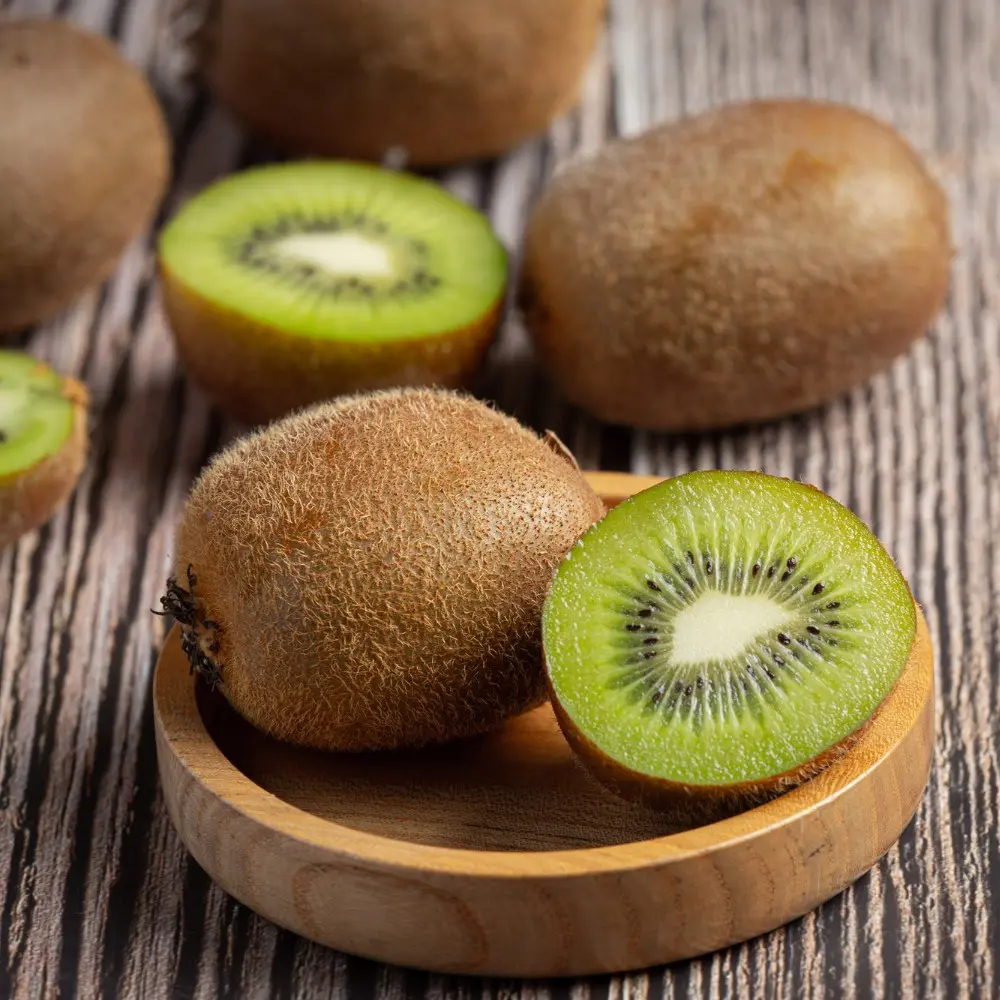
If you are looking for a reason to stop peeling, the nutritional profile provides plenty of motivation. When you eat the skin, you aren’t just eating “extra” fruit; you are accessing a concentrated source of bioavailable compounds.
The CDC emphasizes that diverse fruit consumption supports both nutritional variety and culinary enjoyment.
What Benefits Does Kiwi Skin Have Compared to Peeled Kiwi?
Research suggests that eating a kiwi with the skin on can increase the nutrient content significantly compared to eating the flesh alone.
- Higher Fiber: Eating the skin increases the fiber content by about 50%.
- Extra Antioxidants: The skin contains high concentrations of Vitamin E and polyphenols. In fact, the skin has a higher concentration of antioxidants than the pulp itself.
- Reduced Food Waste: Consuming the peel is an eco-friendly choice that reduces household organic waste.
Understanding whether olive oil is good for cooking helps you select fats that enhance flavor without overwhelming delicate fruit profiles.
What Are the Health Benefits of Kiwi Skin?
The specific kiwi skin benefits extend to several vital body systems:
- Digestive Health: The massive boost in insoluble fiber aids in moving food through the digestive tract, making it a premier natural remedy for sluggish bowels.
- Immune Support: While the flesh is famous for Vitamin C, the skin adds an extra layer of defense with its unique phenolic compounds that fight oxidative stress.
- Heart Health: The combination of fiber and potassium found in the whole fruit helps manage blood pressure and cholesterol levels.
For those managing blood sugar, see our guides on pumpkin recipes for diabetics and whether black beans are good for diabetics.
Eating Kiwi Skin Benefits for Digestion & Constipation
One of the most common reasons people search for kiwi skin benefits on Reddit or medical forums is to find relief from digestive discomfort. The kiwi is often called “nature’s laxative,” and the skin is its most potent component.
The FDA provides guidance on the safe consumption of fruit-based products.
Is Kiwi Skin Good for Constipation?
Yes, kiwi skin is good for constipation because of its dual-action fiber.
- Insoluble Fiber: This type of fiber does not dissolve in water. It adds bulk to the stool and helps it pass more quickly through the intestines.
- Soluble Fiber: This turns into a gel-like substance that softens the stool. By eating the skin, you maximize the intake of both, ensuring a smoother digestive process.
The FoodSafety.gov provides guidance on the safe preparation of fruit-based dishes.
Eating Kiwi Skin for Constipation: What Studies Suggest
Clinical trials have shown that consuming kiwifruit regularly can increase the frequency of bowel movements and reduce transit time. The skin also contains actinidin, a natural enzyme that helps break down proteins.
This improves overall protein digestion and reduces that “heavy” feeling after a large meal. Furthermore, the fiber in the skin acts as a prebiotic, feeding the beneficial bacteria in your gut microbiome. The Johns Hopkins Medicine emphasizes that gut health supports overall immune function.
Is 2 Kiwis a Day Too Much?
For most people, 2 kiwis a day is the “sweet spot” for digestive health. It provides a significant dose of Vitamin C and fiber without causing excessive gas or bloating.
However, if you are new to eating the skin, start with half a kiwi to let your gut adjust to the increased fiber load. Excessive consumption may lead to loose stools in sensitive individuals. The American Diabetes Association notes that gradual dietary changes support optimal digestive adaptation.
Kiwi Skin Benefits Nutrition & Nutrition Facts
To truly understand kiwi with skin nutrition facts, we have to look at the numbers. The skin isn’t just “roughage”; it is a nutrient-dense membrane.
The World Health Organization encourages evidence-based dietary patterns that support sustainable wellness.
Kiwi With Skin Nutrition Facts
A standard medium-sized green kiwi (approximately 70g) provides:
- Calories: ~42 (negligible difference with skin).
- Fiber: ~2g (peeled) vs. ~3.5g (with skin).
- Vitamin C: ~64mg (mostly in the flesh, but skin helps prevent oxidation).
- Vitamin E: Significant increase when the skin is consumed, as this fat-soluble vitamin is concentrated in the peel.
The Academy of Nutrition and Dietetics emphasizes that quality ingredients maximize nutrient density in simple recipes.
Kiwi Skin Benefits Nutrition Explained Simply
Think of the skin as a protective shield. In nature, the skin has to withstand sunlight, pests, and environmental stress. To do this, the plant concentrates its most powerful antioxidants and tough fibers in that outer layer.
When you peel the fruit, you are throwing away the very part of the plant designed to be the most resilient. By keeping the skin, you are consuming the “armor” of the fruit, which translates into better cellular protection for your own body. For antioxidant-rich inspiration, explore our guide on the benefits of cloves.
Kiwi Skin Benefits for Skin, Hair & Women’s Health
The benefits of this fruit aren’t just internal. The high concentration of “beauty vitamins” makes the kiwi skin a secret weapon for hair and skin vitality.
The Cleveland Clinic provides guidance on holistic approaches to skin and hair health.
Kiwi Skin Benefits for Skin
The kiwi skin benefits for skin are primarily driven by Vitamin C and Vitamin E.
- Collagen Support: Vitamin C is essential for collagen synthesis. More collagen means firmer, more elastic skin and fewer visible fine lines.
- Antioxidant Protection: The skin’s polyphenols help protect your skin cells from UV damage and environmental pollutants.
Understanding whether fried food is bad for heart health helps you balance indulgent preparations with heart-healthy lifestyle choices.
Benefits of Kiwi for Skin and Hair
Don’t overlook the minerals. Kiwi contains copper and zinc, which are vital for:
- Hair Strength: These minerals help maintain the structural integrity of the hair shaft.
- Scalp Health: Improved circulation from the fruit’s nutrients ensures that hair follicles receive the oxygen they need to thrive.
For more vegetable-based meal inspiration, see our guide on how to cook broccoli.
Kiwi Benefits for Women
For women, the kiwi benefits are particularly noteworthy.
- Hormonal Health: The Vitamin B6 and folate found in kiwi support healthy hormonal balance and are crucial during pregnancy.
- Digestive Comfort: Many women experience bloating during their menstrual cycle; the fiber and actinidin in kiwi skin can help mitigate this.
- Skin Glow: The detoxifying effect of the high fiber content often reflects on the face as clearer, more radiant skin.
The American College of Sports Medicine notes that individualized approaches support optimal health outcomes across diverse populations.
Research from PubMed Central confirms that antioxidant-rich fruits support skin health when consumed as part of a balanced diet.
Green vs. Golden vs. Yellow Kiwi Skin Benefits
When walking through the produce aisle, you will likely see two main types: the classic fuzzy Green kiwi and the smoother Golden or Yellow varieties. Understanding the green kiwi skin benefits versus the gold kiwi skin benefits is essential for anyone who is sensitive to texture.
The MDPI Nutrients provides research on comparative phytochemical profiles of fruit varieties.
Green Kiwi Skin Benefits
The Hayward (green) kiwi is the most common. Its skin is thick and covered in a fine, hair-like fuzz.
- Higher Fiber: Because the skin is thicker, it generally provides a slightly higher amount of insoluble fiber compared to the gold varieties.
- Hairy Texture Considerations: This is the most difficult skin to eat raw. However, it is excellent for those specifically targeting chronic constipation due to the sheer volume of “roughage” it provides.
For air fryer enthusiasts seeking quick meal prep, explore our PowerXL air fryer recipes for beginners.
Golden Kiwi Skin Benefits
If you are a beginner, look for the golden kiwi skin benefits. Golden kiwis (like the SunGold variety) have been bred to be smoother and sweeter.
- Smoother Skin: The skin is nearly hairless and much thinner than the green version. It feels more like the skin of a plum or a large grape.
- Sweeter Taste: Because the flesh is less acidic, the skin doesn’t have as much of a “tangy” bite. Many people find they can eat a golden kiwi whole without even noticing the skin.
Pair with our homemade marinara sauce for a creative sweet-savory flavor pairing.
Yellow Kiwi Skin Benefits
Yellow kiwis are often grouped with golden kiwis, but they have a distinct, mild flavor.
- Lower Acidity: For those who suffer from acid reflux or a sensitive stomach, yellow kiwi skin benefits include a much gentler digestive experience.
- High Folate: Yellow varieties are often noted for their high folate content, making them a top choice for prenatal nutrition.
The National Institutes of Health provides resources on phytonutrient optimization and prenatal nutrition.
Dangers of Eating Kiwi Skin
While we have established that the skin is healthy, it isn’t for everyone. It is important to look at the can you eat kiwi skin benefits and risks to ensure you aren’t doing more harm than good.
WebMD provides comprehensive information on fruit allergies and safety considerations.
Pesticide Exposure
Because the skin is the part of the fruit exposed to the environment, it can hold onto pesticide residues. If you are eating non-organic kiwis, you may be consuming chemicals that are harmful in high doses.
To mitigate this risk, always wash your fruit thoroughly or choose “Organic” when you intend to eat the peel. The FDA Food Safety in Your Kitchen provides essential guidance for safe produce handling.
Why Does My Mouth Feel Weird After Eating Kiwi?
Have you ever noticed a tingling or “fuzzy” feeling on your tongue after eating a kiwi? This is usually caused by actinidin.
- Actinidin Enzyme: This is a protein-dissolving enzyme. When it touches the delicate tissues in your mouth, it literally begins to break down the proteins on your tongue and cheeks. This is harmless but can be uncomfortable.
- Oral Allergy Syndrome (OAS): For some, this “weird feeling” is actually a mild allergic reaction. If your throat swells or you develop hives, you should stop eating kiwi immediately.
The CDC Food Safety Resources emphasize that proper storage prevents foodborne illness and preserves quality.
Can You Eat Kiwi Skin With Hair?
The “hair” on the kiwi is made of cellulose. While it is edible, it can be irritating to the throat or the lining of the stomach for people with:
- IBS (Irritable Bowel Syndrome): The rough texture can trigger a “flare-up” in a sensitive gut.
- Kidney Stones: Kiwi skins are high in oxalates. If you have a history of calcium-oxalate kidney stones, you should avoid eating the skin, as it can contribute to stone formation.
Understanding whether olive oil is good for cooking helps you select fats that enhance flavor without overwhelming delicate fruit profiles.
How to Eat Kiwi Fruit Skin Safely & Comfortably
If you want to reap the kiwi skin benefits without the unpleasant texture, you need a strategy. You don’t have to just “bite into it” like an apple if that doesn’t appeal to you.
The Academy of Nutrition and Dietetics emphasizes that proper preparation techniques maximize nutrient retention in fruit-based dishes.
Benefits: How to Eat Kiwi Fruit Skin the Right Way
- The Towel Rub: Take a clean, dry kitchen towel and rub the kiwi vigorously. This friction removes most of the fuzz from a green kiwi, leaving it much smoother.
- The Slicing Method: Instead of eating it whole, slice the kiwi into very thin rounds. When the skin is in small, thin strips, the texture is barely noticeable against the juicy flesh.
- The Smoothie Shortcut: This is the best way to get kiwi skin benefits nutrition without the texture. Throw the whole kiwi into a high-powered blender. The blades will pulverize the skin and hair into a smooth liquid, giving your smoothie a massive fiber boost.
For balanced meal inspiration during non-fruit times, explore our chicken and broccoli recipe.
Who Should Avoid Eating Kiwi Skin?
As a general rule, children should have their kiwis peeled to prevent choking or irritation of their sensitive mouths. Additionally, anyone with a known latex allergy should be cautious; there is a cross-reactivity known as “latex-fruit syndrome” that commonly involves kiwis.
The American College of Obstetricians and Gynecologists provides guidance on food safety during pregnancy and reproductive health.
Kiwi Skin Benefits (Reddit)
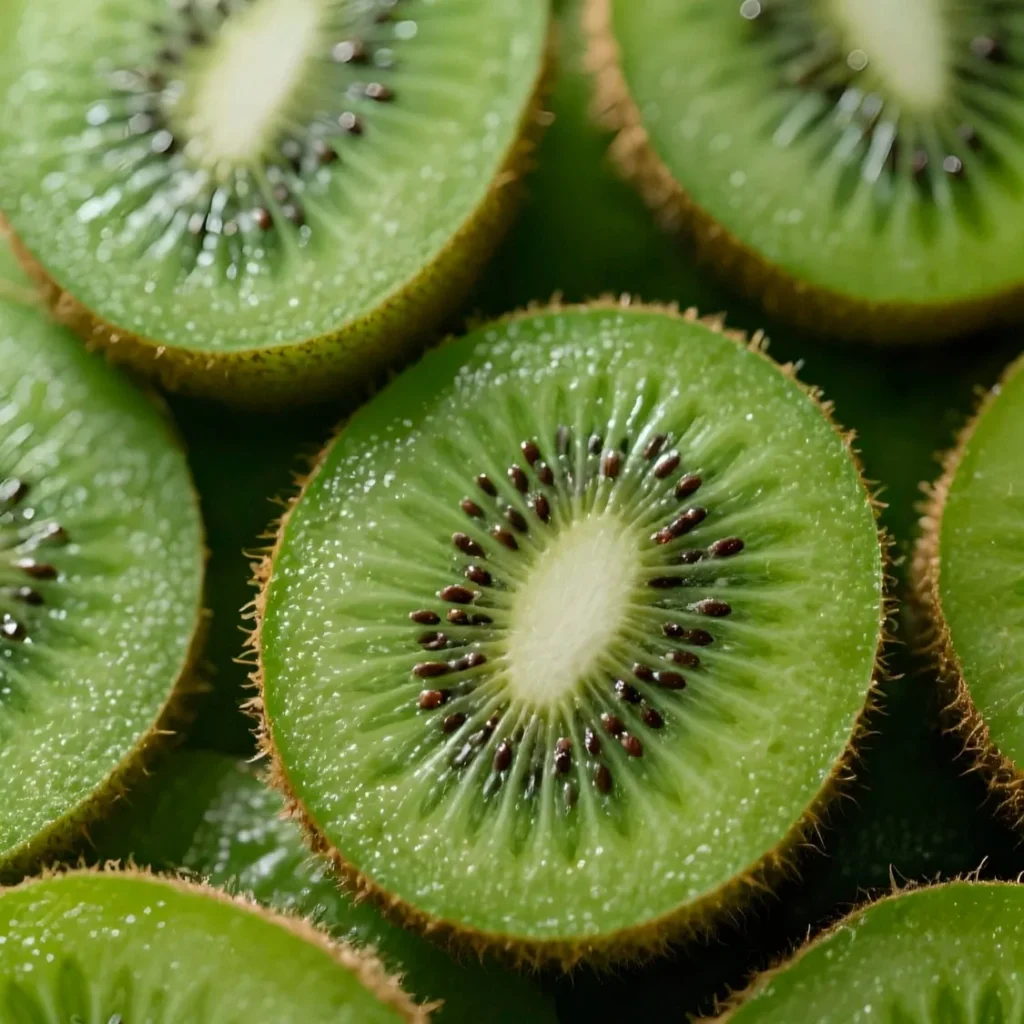
The community on Reddit often discusses the “social stigma” of eating kiwi skin. A quick look at kiwi skin benefits Reddit threads shows a growing movement of “skin-eaters.”
The Mayo Clinic advises that proper dosage preserves nutrient quality in fruit-based products.
The “Team Skin” Pros
Many users report that once they started eating the skin, their digestion became much more regular. They also praise the convenience of not needing a spoon or a knife.
The Healthline provides evidence-based information on fruit consumption and its documented effects.
The Texture Cons
The most common complaint is the “sandpaper” feel on the tongue. However, many Redditors suggest that switching to gold kiwi skin benefits solved this problem entirely.
For antioxidant-rich inspiration, explore our guide on the benefits of cloves to enhance your fruit-based wellness routine.
The “Apple Style” Trend
A popular tip on Reddit is to eat the kiwi “apple style”—just washing it and taking a bite. Users claim that after the third or fourth time, you stop noticing the fuzz altogether.
The Harvard T.H. Chan School of Public Health notes that consistency in healthy habits matters more than perfection in ingredient selection.
The Chemical Architecture of the Kiwi Epidermis
To understand the kiwi skin benefits, we must look at the “Epidermis” (the skin) vs. the “Hypodermis” (the layer just beneath).
ScienceDirect confirms that fruit phytochemical profiles support multiple physiological systems when consumed appropriately.
Triterpenoids and Metabolic Health
Recent studies in 2025 and 2026 have identified specific triterpenoids in the skin of the Actinidia (kiwi) genus. These compounds are known for their anti-tumor and anti-inflammatory properties.
Specifically, they help inhibit the enzymes that lead to carbohydrate breakdown, meaning the skin acts as a natural “carb-blocker,” further stabilizing blood sugar levels. The American Diabetes Association notes that blood sugar management supports overall metabolic health.
The Role of Chlorophyll and Carotenoids
In green kiwi skin benefits, the dark pigment is a sign of high chlorophyll content. Chlorophyll is a natural internal deodorizer and supports liver detoxification. In golden kiwi skin benefits, the yellow/bronze hue comes from lutein and zeaxanthin.
These are critical for:
- Macular Health: Protecting the eyes from high-energy blue light from screens.
- Dermal Thickness: Increasing the skin’s natural resistance to environmental aging.
The American Heart Association emphasizes that plant-based nutrients support cardiovascular wellness.
Detailed Digestive Mechanics: The “Bulking” Effect
When people search for ” Is kiwi skin good for constipation, they often don’t realize the mechanical complexity involved.
The CDC emphasizes that digestive health supports overall immune function and wellness.
Lignin and Cellulose Synergy
The “fuzz” and the skin itself are composed of lignin and cellulose.
- Water Retention: These fibers are highly hygroscopic, meaning they pull water into the colon.
- Peristaltic Trigger: The physical texture of the skin (even if sliced thin) lightly stimulates the intestinal lining, triggering the muscular contractions (peristalsis) required for a bowel movement. This is why the skin is significantly more effective for constipation than the juice or the flesh alone.
For balanced meal inspiration during non-fruit times, explore our chicken and broccoli recipe.
Frequently Asked Questions
Is eating the skin of a kiwi good for you?
Yes. It provides 50% more fiber and significantly more antioxidants (Vitamin E and polyphenols) than the flesh alone.
The Academy of Nutrition and Dietetics provides guidance on fruit preparation and nutrient retention.
Can you eat kiwi skin every day?
For most healthy adults, eating 1–2 kiwis with the skin every day is perfectly safe and highly beneficial for gut health.
The Mayo Clinic advises that proper dosage preserves nutrient quality in fruit-based products.
Is the kiwi skin better than the peeled kiwi?
Nutritionally, yes. It contains a higher concentration of nutrients. However, if the texture prevents you from enjoying the fruit, peeling it is still a healthy choice—you just miss out on the extra fiber.
The Harvard T.H. Chan School of Public Health emphasizes that consistency in healthy habits matters more than perfection in ingredient selection.
Are golden kiwi skins healthier?
They are comparable to green skins in terms of vitamins, but they are much easier to consume due to the lack of hair and thinner peel.
The FoodSafety.gov provides guidance on the safe preparation of fruit-based dishes.
Who should avoid eating kiwi skin?
Children, individuals with latex allergies, those with IBS, or people with a history of calcium-oxalate kidney stones should consult their physician before consuming kiwi skin.
The American College of Obstetricians and Gynecologists provides guidance on food safety during pregnancy and reproductive health.
Conclusion
The evidence for kiwi skin benefits is overwhelming. From improving your digestive regularity to boosting your skin’s natural glow, the peel is a nutritional goldmine. While the “fuzz” of a green kiwi can be a deterrent, modern varieties like the golden kiwi and simple prep techniques like the “towel rub” make it easier than ever to enjoy the whole fruit.
If you are looking for a simple, cost-effective way to improve your health in 2026, stop reaching for the peeler. Wash your kiwi, slice it thin, and enjoy the full spectrum of vitamins nature intended.
For more balanced meal inspiration during non-fruit times, explore our chicken and broccoli recipe to complement your fruit-based wellness routine with nutrient-dense whole foods.
Authoritative References
- USDA FoodData Central. (2026). Kiwi nutritional profile. https://fdc.nal.usda.gov/
- Mayo Clinic. (2026). Nutrition and healthy eating. https://www.mayoclinic.org/healthy-lifestyle/nutrition-and-healthy-eating
- Harvard T.H. Chan School of Public Health. (2026). The Nutrition Source. https://www.hsph.harvard.edu/nutritionsource/
- Academy of Nutrition and Dietetics. (2026). Fruit preparation and nutrition. https://www.eatright.org/
- American Heart Association. (2026). Healthy eating recommendations. https://www.heart.org/
- CDC. (2026). Food safety guidelines. https://www.cdc.gov/food-safety/
- FDA. (2026). Food labeling and nutrition. https://www.fda.gov/food/food-labeling-nutrition
- Cleveland Clinic. (2026). Health essentials and patient guidance. https://my.clevelandclinic.org/health
- Johns Hopkins Medicine. (2026). Nutrition and food safety. https://www.hopkinsmedicine.org/health
- World Health Organization. (2026). Healthy diet fact sheet. https://www.who.int/health-topics/healthy-diet

