



Is Seaweed Salad Vegetarian world of East Asian cuisine, few dishes are as visually striking and polarizing as seaweed salad. In 2026, as plant-based diets become the global standard, this bright green, translucent dish has moved from a niche sushi bar accompaniment to a mainstream health staple.
However, for many newcomers, the question remains: Is seaweed salad vegetarian? The confusion is understandable. Seaweed grows in the ocean alongside fish and crustaceans, and it possesses a distinct “oceanic” umami flavor that mimics seafood. FDA seafood guidance resources.
Furthermore, many traditional Japanese and Korean restaurants use dressings that contain hidden animal-derived ingredients. This often leads diners to wonder if it is seaweed non-veg or if they are accidentally consuming seafood byproducts. This guide serves as a comprehensive resource to clear up these misconceptions.
We will explore whether seaweed salad is a veggie, break down the complex nutritional profile, and provide a definitive “buying guide” to ensure your marine greens align with your dietary ethics. Gut health and plant-based nutrition.
What Is Seaweed Salad?
Before we can address the dietary specifics, we must define what this dish actually consists of. Japanese seaweed salad, known as Hiyashi Wakame, is the most common version found globally. It is typically characterized by thin, noodle-like strands of seaweed tossed in a savory, sweet, and slightly acidic dressing.
What Seaweed Is Used in Salad?
The primary ingredient in most salads is Wakame (Undaria pinnatifida), a type of brown seaweed that turns vibrant green when processed. However, high-quality versions often incorporate other varieties for texture and color: Kelp (Ogonori): Provides a crunchier, more substantial bite.
Hijiki: Small, black, twig-like strands that add earthy depth. Tosaka: A colorful red or white seaweed used mostly for aesthetic appeal. Natural wellness ingredients.
Japanese vs. Korean Seaweed Salad
While both cultures celebrate marine vegetables, the preparations differ. Seaweed salad Korean style, often called Miyeok-muchim, leans more toward garlic and spicy gochugaru (red chili flakes), whereas the Japanese version emphasizes sesame oil, vinegar, and sugar.
Whether using fresh vs dried seaweed salad bases, the resulting dish is a powerhouse of “sea-derived” flavor. American Heart Association seafood nutrition.
Is Seaweed Salad Vegetarian or Non-Veg?
This is the core question for millions of diners: Is seaweed salad vegetarian or non-veg? To answer this with “top-notch” accuracy, we must look at both the biological organism and the culinary preparation.
Why Seaweed Itself Is Vegetarian
Biologically, seaweed is a form of macroalgae. It does not have a central nervous system, it does not bleed, and it does not contain animal flesh. Therefore, in its raw state, can vegetarians eat seaweed? The answer is an absolute yes.
Seaweed is a primary producer in the ocean, much like land plants, making it a foundation of vegetarian nutrition. Plant-based protein sources.
The Hidden “Non-Veg” Trap
The reason many people ask is that seaweed is non-veg due to the dressing. Traditional Japanese dressings often use Dashi, a stock that is frequently made from Bonito flakes (dried skipjack tuna). If a restaurant uses dashi or fish sauce in their marinade, the seaweed salad is no longer vegetarian.
Is Seaweed Salad Vegetarian Reddit Consensus
If you browse seaweed salad vegetarian Reddit threads, you will find a common warning: “Check the labels.” Most commercially produced, neon-green seaweed salads found in plastic containers at grocery stores are actually vegan, as they use synthetic flavorings or seaweed-based umami (Kombu dashi) rather than fish.
However, in high-end traditional restaurants, the risk of fish-based additives is much higher. The Clear Verdict: Seaweed salad is vegetarian by nature, but it can be rendered “non-veg” by its dressing. Always verify if the dressing contains fish sauce, bonito, or shrimp paste. Metabolism and wellness tips.
Is Seaweed Salad a Vegetable? Does Seaweed Count as a Veggie?
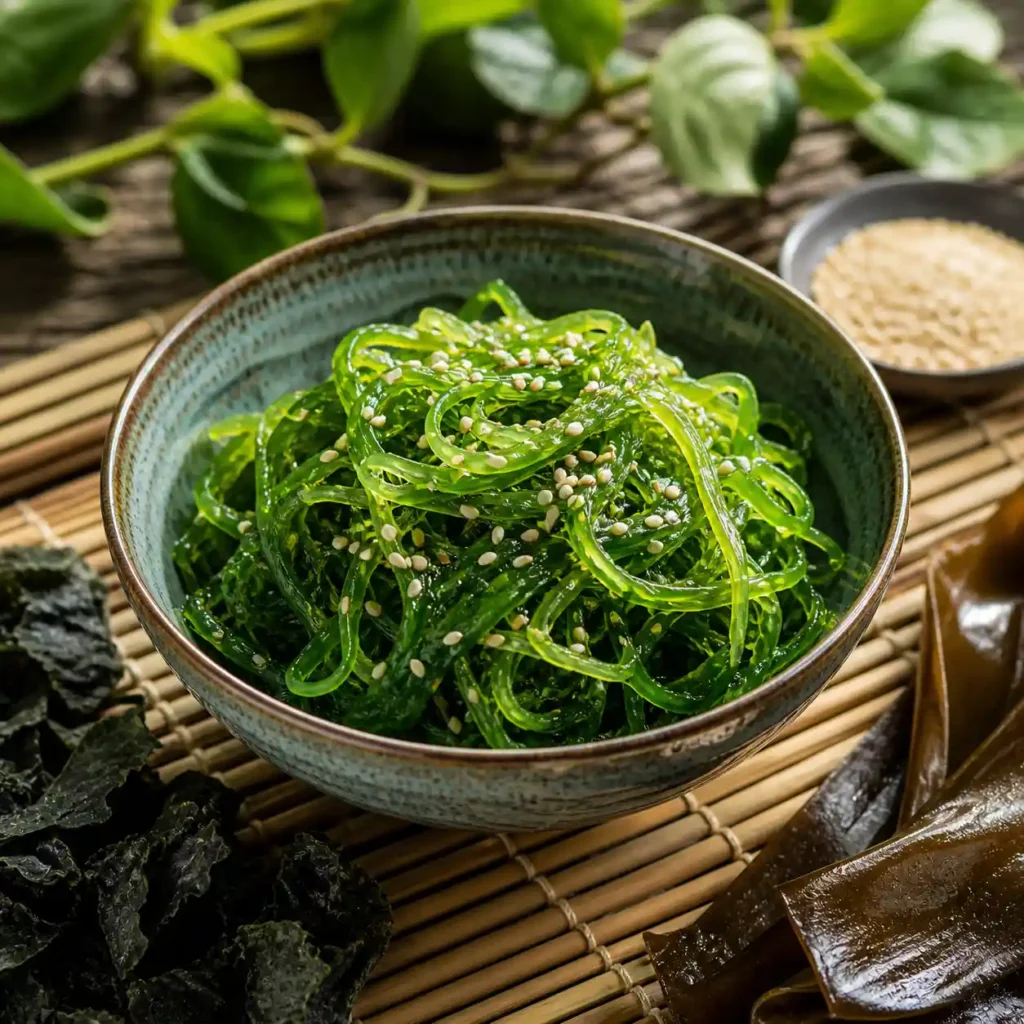
Are many people trying to hit their daily “five-a-day” wonder: is seaweed salad a veggie? The answer depends on whether you are speaking to a botanist or a chef.
Botanical vs. Culinary Definitions
Botanically, seaweed is not a vegetable because it is an alga, not a vascular plant. It lacks roots, stems, and leaves. However, in the culinary world, it is universally classified as a sea vegetable. It fits perfectly into a vegetarian diet because it provides the same essential elements as land vegetables: fiber, minerals, and vitamins. Healthy weight management strategies.
Food Group Classification
In modern nutritional pyramids, seaweed is grouped with leafy greens like spinach and kale. Because it is a “marine vegetable,” it offers a unique mineral profile that land vegetables cannot match, particularly in terms of iodine and trace elements.
So, does seaweed count as a veggie? For the purposes of a healthy diet, it certainly does. Understanding organic certification.
Seaweed Salad Nutrition Facts
To provide a data-driven look at this dish, let’s analyze the seaweed salad nutrition facts for a standard 100g serving. Harvard T.H. Chan School of Nutrition.
| Nutrient | Amount per 100g (Approx) |
|---|---|
| Calories | 70–100 kcal |
| Total Fat | 4g – 6g (mostly from sesame oil) |
| Carbohydrates | 10g – 12g |
| Fiber | 3g – 5g |
| Protein | 1g – 2g |
| Sodium | 600mg – 800mg |
Vitamin and Mineral Highlights
Vitamin A: Supports eye health and immunity. Calcium: Often higher in seaweed than in some dairy products. Iron: A critical mineral for vegetarians to prevent anemia.
There is a slight difference between fresh and dried seaweed salad nutrition; dried seaweed is more concentrated in minerals, but may lose some volatile vitamins during the dehydration process.
Is Seaweed Salad Gluten Free?
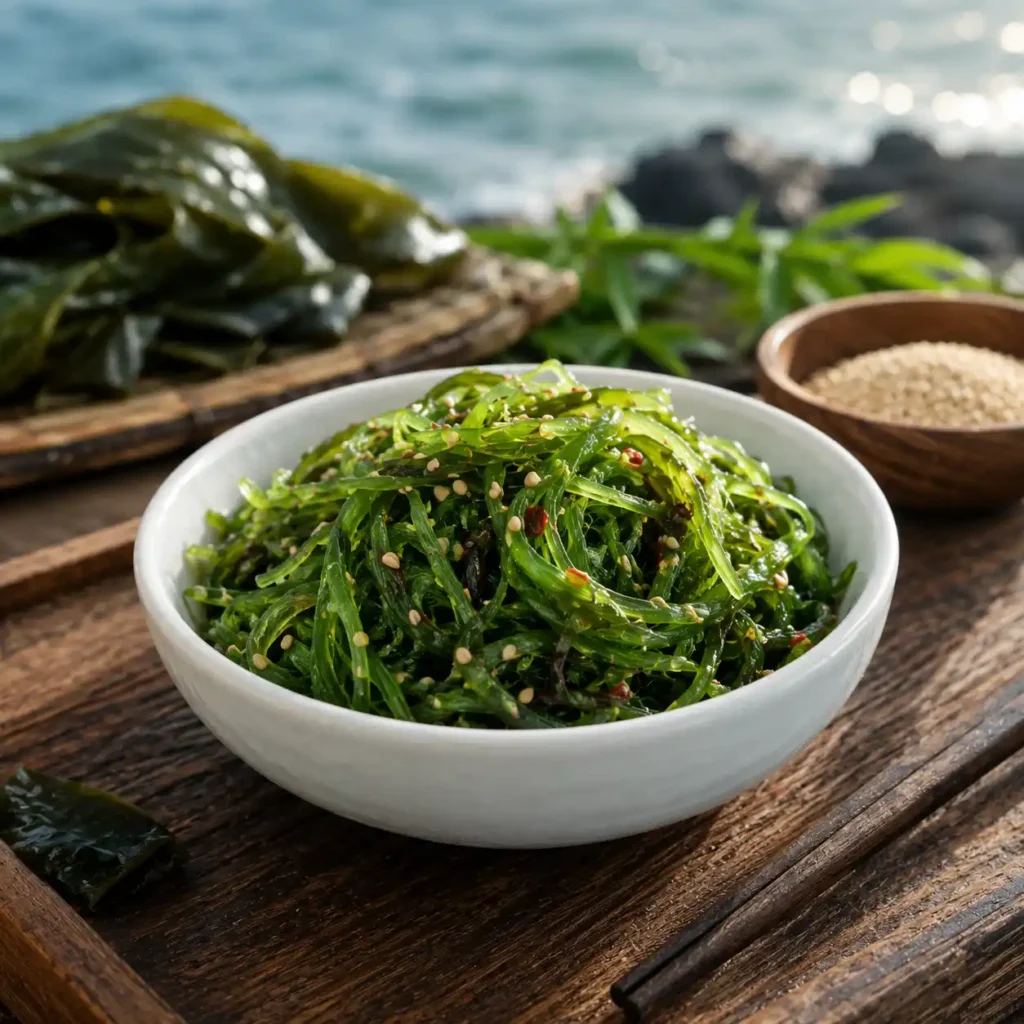
For those with Celiac disease or gluten sensitivity, the question is seaweed salad gluten free is just as critical as its vegetarian status. While seaweed itself is naturally gluten-free, the classic dressing is a high-risk zone.
The Soy Sauce Factor
The primary source of gluten in seaweed salad is soy sauce (shoyu). Traditional soy sauce is brewed with wheat. Since almost all Japanese seaweed salad recipes rely on soy sauce for that essential salty, umami kick, the standard version is rarely safe for those avoiding gluten.
How to Ensure a Gluten-Free Experience
The Tamari Substitute: If you are making the salad at home, replacing soy sauce with Tamari (a Japanese sauce made without wheat) makes the dish 100% gluten-free. Liquid Aminos: Using coconut aminos is another excellent alternative that provides the same savory profile with less sodium and no gluten.
Label Reading: When buying pre-packaged seaweed salad, look specifically for the “Certified Gluten-Free” seal. In 2026, many brands are switching to gluten-free binders and flavorings to accommodate the growing market for allergen-friendly foods.
Where to Buy Seaweed Salad
In 2026, the availability of seaweed salad has expanded significantly beyond the specialized Asian market. Depending on your needs, you have several “buying routes.” Herbal wellness options.
Asian Grocery Stores (H-Mart, Mitsuwa, 99 Ranch)
This is the best place to find fresh seaweed salad in the refrigerated section or bulk dried seaweed salad mixes. You will find a wider variety of species and more authentic flavor profiles. USDA dietary guidelines.
Online Retailers and Specialty Shops
For the highest quality wakame, online retailers often stock “premium” grades that are tested for radiation and heavy metals. Look for brands that specialize in “Wild-Harvested” or “Sustainably Farmed” seaweed.
Warehouse Clubs (Costco, Sam’s Club)
Costco frequently sells large tubs of seaweed salad. While convenient and cost-effective, these are often the versions with higher sugar and food dye content. Always check the label if you are seeking a “clean label” product. Integrative health vitamin C guide.
Frozen Section
Many grocery stores now carry frozen seaweed salad. This is often the same product served in sushi restaurants. It thaws quickly and maintains its texture well, making it a great pantry staple for quick lunches.
Frequently Asked Questions
Is seaweed salad vegetarian?
Yes, the seaweed itself is vegetarian. However, the salad is only vegetarian if the dressing is made without fish sauce, bonito flakes, or dashi. Always check the ingredients for animal-derived umami boosters. Ayurvedic wellness resources.
Can vegetarians eat seaweed?
Absolutely. Seaweed is a highly recommended food for vegetarians as it provides essential minerals like iodine and iron that are sometimes lacking in land-based diets. Nature Scientific Reports.
Is seaweed salad gluten-free?
Typically, no. Most seaweed salads use soy sauce, which contains wheat. To enjoy a gluten-free version, you must use a dressing made with Tamari or coconut aminos.
Is seaweed salad healthy to eat every day?
In moderation, yes. However, because it is high in iodine and often contains significant sodium and sugar in the dressing, a small serving 2–3 times a week is generally better than a large serving every day. Harvard Health antioxidants guide.
Is seaweed soup vegetarian or non-veg?
It can be both. Standard Miso and Korean seaweed soups often use a fish or meat base. You must specifically ask for a vegetarian broth (Kombu dashi) to ensure it is veg-friendly.
Does seaweed count as a veggie?
Yes. Culinary and nutritionally, seaweed is classified as a “marine vegetable” and counts toward your daily intake of greens.
What seaweed is used in seaweed salad?
The most common seaweed used is Wakame. Other varieties like Ogonori (Kelp) and Hijiki are often added for texture and color.
Conclusion
To provide a final verdict: Is seaweed salad vegetarian? In its purest form, yes—it is a gift from the ocean that perfectly aligns with a meat-free lifestyle. It is a nutritional powerhouse that offers a unique array of minerals, vitamins, and antioxidants that are difficult to find in land-based plants.
However, the “vegetarian” status of a seaweed salad is only as reliable as its dressing. By being a conscious consumer—reading labels at the grocery store and asking the right questions at Japanese or Korean restaurants—you can enjoy this delicious “marine veggie” without compromise.
Whether you choose to buy it fresh, rehydrate it from dried packs, or whip up your own vegan seaweed salad recipe at home, you are incorporating a sustainable, ancient, and “top-notch” superfood into your 2026 diet.
It is, without a doubt, worth eating for anyone looking to bridge the gap between delicious umami flavor and optimal health.
Authoritative References
- Food and Agriculture Organization of the United Nations. (2026). Food-based dietary guidelines. https://www.fao.org/nutrition/education/food-dietary-guidelines/home/en/
- National Library of Medicine. (2026). Antioxidants in health and disease. https://pmc.ncbi.nlm.nih.gov/
- Harvard T.H. Chan School of Public Health. (2026). Vegetables and fruits. https://www.hsph.harvard.edu/nutritionsource/what-should-you-eat/vegetables-and-fruits/
- Harvard Health Publishing. (2026). Truth about antioxidants. https://www.health.harvard.edu/healthbeat
- WebMD. (2026). The benefits of vitamin C. https://www.webmd.com/diet/features/the-benefits-of-vitamin-c
- European Food Safety Authority. (2026). Healthy diet resources. https://www.efsa.europa.eu/en/topics/topic/healthy-diets
- Eating a balanced diet. https://www.nhs.uk/live-well/eat-well/how-to-eat-a-balanced-diet/eating-a-balanced-diet/
- Centers for Disease Control and Prevention. (2026). Fruits and vegetables for a healthy weight. https://www.cdc.gov/nutrition/fruits-vegetables/index.html
- World Health Organization. (2026). Healthy diet fact sheet. https://www.who.int/health-topics/healthy-diet
- Ayurveda.com. (2026). Amla Indian gooseberry guide. https://www.ayurveda.com/articles/amla-indian-gooseberry

