



For decades, Golden Kiwi Skin Benefits. The standard way to enjoy a kiwi was to reach for a spoon and scoop out the vibrant green or sun-drenched gold flesh, leaving the brown, papery skin behind. However, as we move into 2026, the global wellness community is undergoing a “peel revolution.”
Consumers are increasingly asking: Can you eat kiwi skin? And more specifically, should you eat kiwi skin to maximize nutritional intake? Learn more about fruit nutrition guidelines.
The golden kiwi (Actinidia chinensis) has surged in popularity not just for its tropical, honey-like sweetness, but for its unique, hairless exterior. Unlike its fuzzy green cousin, the golden kiwi offers a smooth, thin skin that is far more palatable and less intimidating to eat.
But is kiwi skin safe to eat, and what are the actual golden kiwi skin benefits? Explore vitamin C research from NIH.
In this comprehensive guide, we will explore the concentrated nutrition hidden in the golden kiwi’s peel, the clinical impact on digestive and skin health, and the safety precautions you should take. Whether you are looking to boost your fiber intake, improve your complexion, or simply reduce food waste,
Understanding the science of the kiwi skin is the first step toward a more nutrient-dense diet. Discover gut health strategies.
What Is a Golden Kiwi? How It Differs From Green Kiwi
Before diving into the skin specifically, it is essential to understand the fruit itself. The golden kiwi is not simply a “yellow version” of the green kiwi; it is a distinct cultivar with a different nutritional profile and physical structure. Review the FDA fruit safety information.
Taste, Texture, and Appearance
The most striking difference is the appearance. While the green kiwi is oval with a thick, fuzzy brown skin, the golden kiwi is more teardrop-shaped with a smoother, almost bronze-colored skin. Internally, the golden kiwi boasts a vibrant yellow flesh with fewer seeds and a smaller core. Compare tropical fruit benefits.
The flavor profile of a golden kiwi diet is often described as a cross between a mango, a strawberry, and a peach. It lacks the sharp, acidic “tang” of the green variety, making it a favorite for children and those with sensitive palates.
Skin Smoothness vs. Fuzzy Green Kiwi
The primary barrier to eating green kiwi skin is the “fuzz”—technically known as trichomes. These hairs can be irritating to the tongue and throat. The golden kiwi, however, has been bred to be virtually hairless. This physical evolution is the main reason why golden kiwi skin benefits are more accessible.
The barrier to entry (the texture) is significantly lowered. Explore natural wellness ingredients.
Common Uses in Diets and Meal Plans
What are golden kiwis good for? Because of their high sugar content and low acidity, they are excellent for morning smoothies where the skin can be blended seamlessly, fresh salads where the skin adds a slight tartness to balance sweet dressings,
and on-the-go snacking, eaten like a plum, which saves time and eliminates waste. Smoothie nutrition tips.
Golden Kiwi Nutrition Facts
When we look at golden kiwi nutrition facts, the numbers are impressive. However, those numbers shift dramatically depending on whether you choose to peel the fruit.
Macronutrients: The Fiber Powerhouse
A medium-sized golden kiwi (roughly 80 grams) contains approximately 50 calories and 11 grams of natural sugar. However, the fiber content is where the skin makes its mark. Eating the skin can increase the total fiber content by up to 50%.
While the flesh provides soluble fiber, the skin provides a dense source of insoluble fiber, which is crucial for mechanical digestion.
Vitamins and Minerals
Golden kiwis are world leaders in Vitamin C. A single fruit provides nearly 160% of the recommended daily intake (RDI), which is significantly higher than that of an orange. Vitamin E: Found primarily in the skin and seeds, this fat-soluble antioxidant is doubled when the skin is consumed.
Vitamin K: Essential for bone health and blood clotting. Potassium: Golden kiwis contain almost as much potassium as a banana per weight, supporting heart health and muscle function. WHO’s healthy diet guidelines.
Antioxidants and Polyphenols
Does kiwi skin have nutrients beyond vitamins? Yes. The skin is a concentrated source of polyphenols, flavonoids, and anthocyanins. These compounds protect the fruit from UV rays in nature, and when consumed, they provide anti-inflammatory benefits to the human body.
Research on polyphenols and health.
| Nutrient (per 100g) | Flesh Only | Flesh + Skin |
|---|---|---|
| Fiber | 1.4g | 2.2g – 3.0g |
| Vitamin C | 161mg | 170mg+ |
| Vitamin E | 1.4mg | 2.5mg+ |
| Polyphenols | Standard | 30% Higher |
Can You Eat Kiwi Skin? Is It Safe?
The most common question regarding this topic is: Is kiwi skin safe to eat? For the vast majority of the population, the answer is a definitive yes. FDA food safety resources.
FDA and Global Safety Standards
The FDA and global food safety authorities categorize kiwi skin as an edible plant part. It is non-toxic and contains no harmful compounds in its natural state. However, “safe to eat” assumes proper preparation.
Texture and Taste Expectations
If you are eating the skin of a green kiwi, expect a bit of “grit” and a tart, earthy flavor. With the golden kiwi, the skin is so thin that it often goes unnoticed, much like the skin of a tomato or a plum. The taste is slightly more acidic than the flesh,
which many find refreshing. Foods for metabolism support.
Who Should Avoid Kiwi Skin?
While generally safe, there are three groups who should exercise caution: Latex Allergy Sufferers: Kiwi contains proteins similar to those in natural rubber latex. Kidney Stone Patients: Kiwi skin is high in oxalates, which can contribute to the formation of calcium-oxalate stones.
Sensitive Digestions: Those with IBS may find the high insoluble fiber content of the skin to be too stimulating. NIH digestive health information.
Can You Eat Golden Kiwi Skin Specifically?
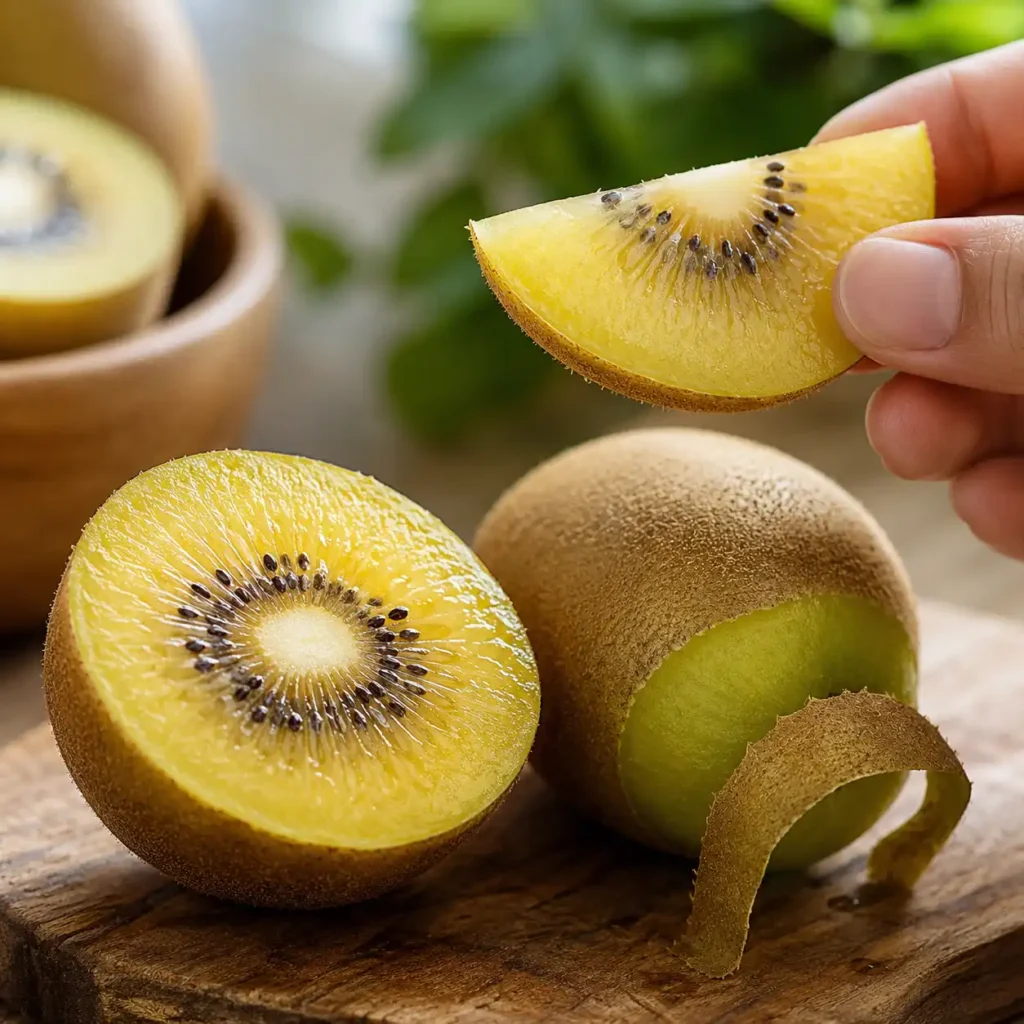
Many people who would never dream of eating a “hairy” green kiwi find that they can easily tolerate the golden variety. Explore healthy weight loss approaches.
Why Golden Kiwi Skin Is More Palatable
The skin of the golden kiwi is thinner and lacks the abrasive hairs of the green variety. This makes it much easier for the digestive system to break down and much more pleasant for the tongue. When you ask, “Should I eat the skin of a golden kiwi?”
The answer is often “Yes, especially if you dislike the green one.” Academy of Nutrition and Dietetics.
Best Ways to Eat Golden Kiwi With Skin
To make the experience as pleasant as possible: The “Apple” Method: Simply wash it and take a bite. The Slicing Method: Cut the kiwi into thin rounds. The small surface area of the skin on each slice makes the texture negligible.
The Salad Method: Chop the whole fruit into cubes. The juices from the flesh coat the skin, softening it further. Meal prep strategies for success.
Washing and Preparation Tips
Since you are eating the exterior, hygiene is paramount. Use a gentle vegetable wash or a mixture of water and vinegar to remove any surface bacteria or residual wax. Even though golden kiwis aren’t “hairy,” they can still hold onto environmental dust.
Benefits of Eating Kiwi Skin
The benefits of eating kiwi skin go far beyond just “getting extra vitamins.” It is about the synergy of fiber, enzymes, and antioxidants working together. Understanding fat metabolism.
Massive Increase in Fiber Intake
As mentioned, you lose nearly half of the fiber when you discard the peel. Fiber is the cornerstone of 2026 wellness, linked to lower cholesterol, improved heart health, and weight management.
Enhanced Antioxidant Protection
The skin is the fruit’s first line of defense against oxidative stress. By consuming it, you are ingesting a higher concentration of Vitamin E and phenolic compounds than you would get from the flesh alone. These antioxidants neutralize free radicals,
potentially reducing the risk of chronic diseases. NCI antioxidants fact sheet.
Improved Gut Microbiome
The skin provides prebiotics—fuel for the “good” bacteria in your gut. A diverse microbiome is linked to everything from better mental health to a stronger immune system. Nature Reviews on gut microbiome.
Blood Sugar Regulation
The fiber in the skin slows down the absorption of the fruit’s natural sugars. This results in a lower glycemic response, preventing the “sugar crash” that can occur after eating high-fructose fruits, according to the American Diabetes Association carb guidance.
Reduced Food Waste
In an era of sustainability, eating the skin is an eco-friendly choice. It reduces organic waste and ensures you are getting the full value of the produce you purchase, according to UNEP sustainable food systems.
Eating Kiwi Skin for Constipation and Digestive Health
The most famous medical application of the kiwi is its ability to “keep things moving.” While the flesh is effective, eating kiwi skin for constipation provides a dual-action mechanism that the pulp alone cannot match. Liver health and digestion tips.
Soluble vs. Insoluble Fiber
The golden kiwi flesh is rich in soluble fiber, which absorbs water and creates a gel-like substance to soften stools. However, the skin provides insoluble fiber. This type of fiber does not dissolve; instead, it adds bulk to the stool and physically stimulates the lining of the colon,
triggering the muscular contractions known as peristalsis. This combination makes the whole kiwi one of the most effective natural laxatives available. Cleveland Clinic on constipation.
Kiwi Enzymes: The Actinidin Factor
Kiwis contain a unique enzyme called actinidin. This protease helps break down proteins from meat, dairy, and legumes. By eating the skin, which has a high concentration of enzymatic activity, you improve your body’s ability to digest heavy meals.
reducing the “bloated” feeling often experienced after dinner. PubMed research on actinidin.
How Much to Eat for Relief?
For chronic regularity issues, clinical studies suggest consuming two whole golden kiwis per day. Eating them with the skin on ensures you reach the threshold of roughly 6 grams of fiber from the fruit alone, which is often enough to significantly improve bowel frequency, according to a Gastroenterology journal study.
10 Benefits of Kiwi Fruit for Skin and Hair
The connection between kiwi for skin and hair and overall vitality is rooted in its extreme Vitamin C and antioxidant density. Here are ten ways the golden kiwi transforms your appearance from the inside out: Boosts Collagen Production: Vitamin C is the essential cofactor for collagen synthesis, maintaining skin firmness and reducing sagging.
Improves Skin Elasticity: The Vitamin E found in the skin helps maintain the lipid barrier, keeping skin “bouncy.”
Brightens Complexion: Natural antioxidants help fade hyperpigmentation and “dark spots” over time. Reduces Acne: The anti-inflammatory properties of the skin’s polyphenols help soothe redness and active breakouts.
Protects Against Sun Damage: While not a replacement for SPF, the lutein and zeaxanthin in golden kiwis help defend cells against UV-induced oxidative stress, according to the Skin Cancer Foundation.
Hydrates Skin: High potassium levels help regulate cellular water balance, preventing the “dull” look of dehydration. Slows Aging Signs: By neutralizing free radicals, kiwis protect the DNA of your skin cells from premature aging. Strengthens Hair Follicles: Improved circulation from the fruit’s nutrients ensures the scalp receives adequate oxygen.
Reduces Hair Fall: Vitamin C prevents the oxidative stress that can lead to follicle weakening and premature shedding. Adds Natural Glow: By improving digestion and “detoxing” the gut, the results are often reflected in a clearer, more radiant face. Herbal wellness options.
Golden Kiwi Skin Benefits for Skin Health

While the fruit is great, the golden kiwi skin benefits for the skin are particularly potent. The skin is where the plant stores its highest concentration of flavonoids and anthocyanins. When you consume the skin, you are ingesting a concentrated dose of these “protective” chemicals.
In 2026, nutritional dermatology increasingly emphasizes the “peel” as a source of quercetin—a compound that helps stabilize the skin’s mast cells, potentially reducing the severity of allergic skin reactions and redness. Journal of Investigative Dermatology.
What Happens If You Eat a Golden Kiwi Every Day?
If you make a “whole kiwi” (skin included) part of your daily ritual, your body undergoes several measurable changes: Immune System Resilience: With a daily hit of 160% RDI of Vitamin C, your white blood cells are better equipped to handle seasonal pathogens.
Stable Energy Levels: Unlike processed snacks, the fiber in the kiwi skin ensures a slow release of energy, preventing mid-afternoon fatigue.
Gut Microbiome Shift: Within 14 days, the prebiotic fibers begin to favor the growth of Bifidobacteria, which can improve mood and reduce inflammation. Potential Side Effects: The only risk of daily consumption for most is a “tingling” tongue from the actinidin enzyme. If you experience excessive loose stools, simply scale back to one fruit per day, NCCIH probiotics overview.
Golden Kiwi in a Healthy Diet
Incorporating the golden kiwi diet is incredibly easy because of the fruit’s versatility. Weight Loss: At only 50 calories, it is the perfect low-calorie, high-satiety snack. Diabetic-Friendly: With a Glycemic Index (GI) of around 38–48, it is considered a low-GI fruit, making it safe for most diabetics when eaten in moderation.
Athletic Recovery: The potassium and magnesium in the kiwi help prevent muscle cramps and replenish electrolytes after a heavy workout. ACSM nutrition for athletes.
Can You Eat Kiwi Skin With Hair? Texture & Taste Explained
A lingering concern for many is the “fuzz.” Can you eat the skin of a kiwi with hair? Yes, you can. While it is physically safe, it is the primary reason people avoid the green variety. The golden kiwi solves this problem entirely. Because the golden variety is virtually hairless,
You get the nutritional density of a “hairy” skin without the abrasive sensation. If you find even the smooth golden skin a bit tough, try blending the whole fruit into a smoothie. The blades will pulverize the skin fibers, giving you all the nutrients with a perfectly smooth texture.
Dangers of Eating Kiwi Skin
To remain an authoritative guide, we must address the dangers of eating kiwi skin and how to avoid them. EPA pesticide safety information.
Pesticide Residue
The skin is the most exposed part of the fruit. In non-organic farming, pesticides can linger in the skin’s pores. Solution: Always buy “Organic” (BIO) golden kiwis if you plan to eat the skin. If you can’t find organic, a 10-minute soak in water and baking soda can help neutralize surface chemicals. Understanding organic certification.
Oral Allergy Syndrome (OAS)
Some people experience an itchy mouth or throat. This is often a cross-reaction to birch pollen. If you have hay fever, you might be more susceptible to this mild reaction.
Latex-Fruit Syndrome
If you have a known latex allergy, consult a doctor before eating kiwi skin. The proteins are similar enough that the body can sometimes mistake one for the other, leading to a more severe allergic reaction.
Frequently Asked Questions
Should I eat the skin of a golden kiwi?
Yes. The skin of a golden kiwi is hairless, thin, and packed with fiber and antioxidants that are lost if the fruit is peeled.
Does the kiwi skin have any benefits?
Absolutely. It contains nearly 50% more fiber than the flesh, double the Vitamin E, and a higher concentration of cancer-fighting polyphenols. ACS nutrition guidelines.
Can you eat the golden kiwi skin?
Yes, it is 100% edible and much more palatable than green kiwi skin due to its smooth texture. The FDA produces safety tips.
What are golden kiwis good for?
They are excellent for immune support, digestive regularity, and skin health due to their high Vitamin C and enzyme content. WHO immunity resources.
Conclusion
As we conclude this comprehensive 2026 guide, the verdict is clear: you should absolutely eat the skin of the golden kiwi. While cultural habits have long dictated that we peel this fruit, modern nutritional science and the “zero-waste” movement have proven that the peel is actually the most functional part of the plant.
By choosing to keep the skin, you are not just eating “extra fruit”—you are choosing a superior nutritional path. You are opting for 50% more fiber, a doubled dose of Vitamin E, and a concentrated shield of antioxidants that are biologically programmed to protect the fruit (and, by extension, your cells) from oxidative damage.
The golden kiwi is the “beginner-friendly” gateway to this habit. Its smooth, bronze, and hairless exterior removes the sensory “fuzz” barrier that often makes green kiwi skin unappealing. It is a seamless addition to smoothies, salads, or simply eaten “apple-style” on the go.
Authoritative References
- Mayo Clinic. (2026). Healthy diet basics. https://www.mayoclinic.org/healthy-lifestyle/nutrition-and-healthy-eating/basics/healthy-diets/hlv-20049477
- Healthline. (2026). Kiwi nutrition facts. https://www.healthline.com/nutrition/foods/kiwi
- WebMD. (2026). Health benefits of kiwi. https://www.webmd.com/diet/health-benefits-kiwi
- Medical News Today. (2026). Kiwi health benefits. https://www.medicalnewstoday.com/articles/283128
- British Nutrition Foundation. (2026). 5-a-day guidance. https://www.nutrition.org.uk/nutritional-information/fat/
- Harvard T.H. Chan School of Public Health. (2026). Vegetables and fruits. https://www.hsph.harvard.edu/nutritionsource/what-should-you-eat/vegetables-and-fruits/
- Food and Agriculture Organization of the United Nations. (2026). Food-based dietary guidelines. https://www.fao.org/nutrition/education/food-dietary-guidelines/home/en/
- European Food Safety Authority. (2026). Healthy diet resources. https://www.efsa.europa.eu/en/topics/topic/healthy-diets
- Eating a balanced diet. https://www.nhs.uk/live-well/eat-well/how-to-eat-a-balanced-diet/eating-a-balanced-diet/
- Centers for Disease Control and Prevention. (2026). Fruits and vegetables for a healthy weight. https://www.cdc.gov/nutrition/fruits-vegetables/index.html

