



Eggplant, often referred to as the “king of vegetables” in some cultures, is one of the most versatile yet misunderstood ingredients in the culinary world. Whether you call it an eggplant, aubergine, or brinjal, knowing how to cook eggplant correctly is the difference between a bitter, spongy mess and a rich, “melt-in-your-mouth” delicacy.
Its unique cellular structure acts like a sponge, ready to soak up aromatics, fats, and sauces, making it a favorite for plant-based cooking. According to the USDA FoodData Central, one cup of cooked eggplant provides essential fiber and antioxidants with minimal calories.
For beginners, the challenge often lies in the texture. If undercooked, it is rubbery; if overcooked, it becomes unpleasantly greasy. However, once you master a few foundational techniques, you can transform this nightshade into everything from a smoky Mediterranean dip to a crispy Italian Parmesan.
The Harvard T.H. Chan School of Public Health emphasizes that proper vegetable preparation preserves nutrient density and flavor.
Eggplant Before Cooking
Before you heat your pan, you must understand the ingredients. Cooking eggplant starts at the grocery store or garden. Not all eggplants are created equal, and their moisture content varies significantly.
Popular Eggplant Varieties
- Globe (American) Eggplant: Large, pear-shaped, and deep purple. These have thicker skin and more seeds, making them ideal for breading and frying.
- Chinese and Japanese Eggplant: Longer and thinner with thinner skin. These are sweeter and cook much faster, perfect for stir-fries.
- Thai Eggplant: Small, green, and round. These are crunchier and often used in stews and curries.
The Academy of Nutrition and Dietetics recommends selecting firm, glossy eggplants with tight skin for optimal freshness and nutrient retention.
To Salt or Not to Salt?
One of the oldest debates in how to cook eggplants in different ways is whether you should salt them first. Salting (sweating) draws out excess moisture and can reduce bitterness in older, larger Globe eggplants.
While modern varieties are bred to be less bitter, salting is still highly recommended if you plan to fry or sauté, as it collapses the air pockets in the flesh, preventing it from soaking up too much oil. Research from the Journal of Food Science confirms that salting reduces oil absorption by up to 50% during frying.
Do You Peel Eggplant Before Cooking It?
This depends entirely on the age of the vegetable and the method. For young, small eggplants, the skin is tender and full of nutrients. For large Globe varieties, the skin can be tough and bitter; peeling it in “zebra stripes” or entirely can improve the final texture of stews and bakes.
The skin contains nasunin, a powerful antioxidant—learn more about the benefits of cloves and other antioxidant-rich ingredients.
How Long Does Eggplant Take to Cook?
Timing is the most frequent hurdle for home cooks. How long to cook eggplant varies drastically based on the heat source and the size of the cut.
- Stovetop (Sautéing): 8–12 minutes over medium-high heat.
- Oven Roasting: 20–30 minutes at 400°F (200°C).
- Air Frying: 12–15 minutes at 375°F (190°C).
- Grilling: 4–5 minutes per side.
Signs of Perfect Doneness
You will know your eggplant is fully cooked when the flesh changes from an opaque white to a translucent, creamy tan. It should be tender enough to be pierced with a fork with zero resistance. If it feels “spongy” or bounces back, it needs more time.
Underdone eggplant contains solanine, which can cause digestive upset in some individuals, so ensure a soft, velvety interior every time. The Mayo Clinic notes that properly cooked vegetables are easier to digest and absorb.
How to Cook Eggplant on the Stove
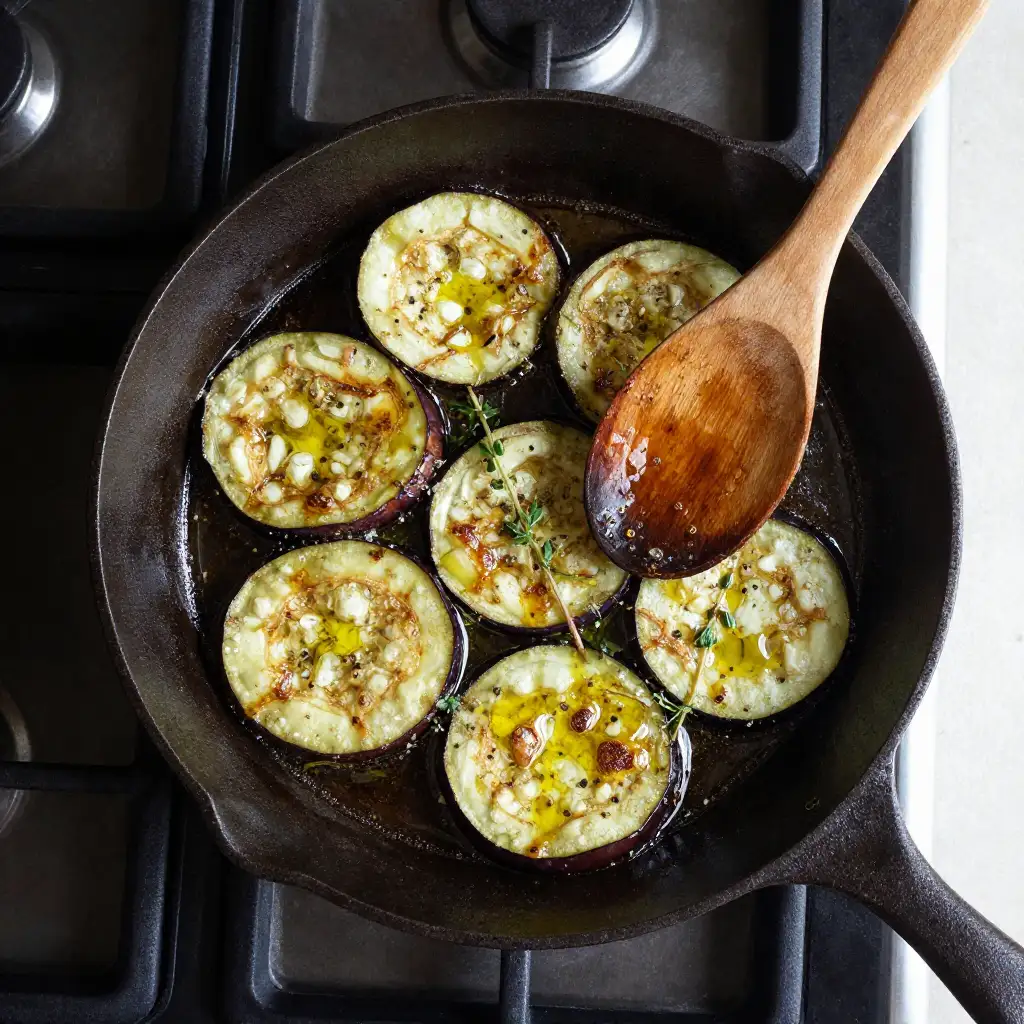
The stove is the most accessible way to prepare a quick meal. Cooking eggplant on the stove requires a delicate balance of heat and oil management.
Pan-Fried and Sautéed Eggplant
For a basic sauté, cube the eggplant into 1-inch pieces. Heat a heavy-bottomed skillet (cast iron is best) with a generous amount of olive oil. The eggplant will likely absorb all the oil in the first 30 seconds—do not immediately add more oil.
As the eggplant cooks and its cell structure collapses, it will actually release some of that oil back into the pan. Understanding that olive oil is good for cooking helps you select the right fat for high-heat methods.
Stir-Frying Chinese Style
When learning how to cook eggplant in a pan for Asian-inspired dishes, high heat is your friend. Use a wok if possible. Chinese eggplants are preferred here as they hold their shape better.
To prevent sogginess, you can lightly coat the pieces in cornstarch before they hit the pan. This creates a thin, protective barrier that results in a velvety interior and a slightly crisp exterior. The Cleveland Clinic highlights that quick-cooking methods preserve water-soluble vitamins.
Oil Control Tips
If you find your eggplant is sticking, but you don’t want to add more fat, add a tablespoon of water or broth to the pan and cover it with a lid for 2 minutes. The steam will finish the cooking process without adding calories.
How to Cook Eggplant in the Oven
Roasting is arguably the best method for bringing out the natural sweetness of the vegetable. How to cook eggplant in the oven allows for “hands-off” cooking that produces a rich, caramelized flavor.
Roasting vs. Baking
- Roasting: Usually involves higher temperatures (400°F) and cubes or wedges tossed in oil. This is perfect for salads or pasta additions.
- Baking Whole: If you want to make Baba Ganoush or a mash, prick a whole eggplant with a fork and bake until it collapses. This takes about 45–60 minutes.
How to Bake Eggplant in the Oven for Crispiness
To achieve a crispy texture without deep frying, slice the eggplant into rounds, coat them in a light layer of oil or egg wash, and then dip them in seasoned breadcrumbs. Arrange them on a wire rack set over a baking sheet.
This allows hot air to circulate under the slices, preventing the bottom from becoming soggy. For more vegetable prep inspiration, see our guide on how to cook broccoli.
Timing the Roast
How long to cook eggplant in the oven? For 1-inch cubes, 20-25 minutes is standard. For halved eggplants (stuffed eggplant style), you may need 35-40 minutes. Always look for deep browning on the edges—that’s where the flavor lives. The World Health Organization recommends incorporating roasted vegetables into weekly meal planning for optimal nutrient intake.
How to Cook Eggplant in an Air Fryer
The air fryer has revolutionized how to cook eggplant by providing a “fried” texture with 80% less oil. This is the ideal method for health-conscious cooks who still crave a crunch. For beginner-friendly air fryer techniques, explore our Power XL air fryer recipes for beginners.
Best Preparation for Air Frying
Wedges or fries are the best shapes for the air fryer. Because the air fryer is a high-powered convection oven, it can dry out the eggplant if you aren’t careful.
- Lightly spray the eggplant with an oil mister.
- Season with garlic powder, smoked paprika, and salt.
- Arrange in a single layer—do not overcrowd the basket.
Crispy Texture Hacks
For the ultimate crunch, coat the eggplant in panko breadcrumbs. The high-velocity air in the fryer will crisp the panko perfectly in about 12 minutes. How long to cook eggplant in an air fryer? Check them at 10 minutes; they should be golden brown and firm to the touch.
Research published in MDPI Foods confirms that air-frying preserves more antioxidants than deep-frying.
How to Cook Fried Eggplant
Traditional fried eggplant is a staple in Mediterranean and Southern cuisines. To do it right, you must manage the temperature of your oil to ensure the eggplant doesn’t become a grease sponge.
The Secret to Non-Greasy Fried Eggplant
The oil must be between 350°F and 375°F. If the oil is too cold, the eggplant will absorb it like a sponge. If it’s too hot, the outside will burn before the inside turns creamy. Understanding whether fried food is bad for heart health helps you make informed choices about indulgent preparations.
Breaded vs. Unbreaded
- Unbreaded: Best for “Melanzane fritte” used in pasta alla Norma. Simply fry cubes until dark brown.
- Breaded: Classic for appetizers. Use a standard flour-egg-breadcrumb station. This creates a protective shell that keeps the oil away from the flesh.
How to Cook Eggplant Parmesan (Parmigiana)
Eggplant Parmesan, or Melanzane alla Parmigiana, is the pinnacle of Italian comfort food. Knowing how to cook eggplant parmesan correctly involves a multi-step process that balances the richness of the cheese with the delicate nature of the vegetable. Pair it with our homemade marinara sauce for authentic flavor.
Classic Eggplant Parm Steps
The traditional method involves three distinct phases: preparing the eggplant, making the sauce, and layering. For the best texture, many chefs recommend the “fry-then-bake” approach.
- Slicing and Salting: Slice Globe eggplant into 1/2-inch rounds. Salt them and let them sit for 30 minutes to remove moisture.
- The Pre-Cook: You can either lightly flour and fry the slices or, for a lighter version, brush them with oil and roast them until tender.
- Layering: In a baking dish, layer tomato sauce, the prepared eggplant, mozzarella, and a heavy dusting of Parmesan cheese. Repeat until the dish is full.
Baking vs. Frying Slices
If you choose to fry, you get a richer, more decadent result. However, roasting the slices first—how long to cook eggplant parm slices in the oven? About 15 minutes—makes the final dish less oily and allows the flavor of the tomato sauce to shine.
Bake the assembled dish at 375°F for about 25–30 minutes until the cheese is bubbling and golden. The American Heart Association suggests baking over frying to reduce saturated fat intake.
How to Cook Eggplant on the Grill
Grilling is a fantastic way to impart a smoky flavor that complements the earthy notes of the vegetable. How to cook eggplant on the grill is all about preventing the slices from sticking or falling through the grates.
Slicing and Marinades
For the grill, cut the eggplant into thick rounds or long planks (at least 3/4-inch thick). A simple marinade of olive oil, balsamic vinegar, and dried oregano works wonders. Avoid sugary marinades initially, as they will burn before the interior of the eggplant is soft.
Grill Timing and Char
Place the slices directly over medium-high heat. How long does eggplant take to cook on the grill? Usually 4 to 5 minutes per side. You are looking for clear grill marks and a slight “deflated” appearance, indicating the internal structure has softened.
Serve these as a side dish or as a “steak” replacement in vegetarian burgers. The Johns Hopkins Medicine notes that grilling vegetables preserves fiber and phytonutrients better than boiling.
How to Cook Eggplant Without an Oven
Not everyone has the time or the appliance for roasting. How to cook eggplant without oven access often means relying on the stovetop or small countertop appliances.
The “Steam-Sauté” Technique
This is the best way to get oven-like tenderness on a stovetop. Sauté your eggplant cubes in a pan with a small amount of oil for 5 minutes. Then, add 1/4 cup of water or vegetable stock and immediately cover with a tight-fitting lid.
The trapped steam breaks down the eggplant’s fibers in minutes, providing a creamy texture without the long wait of a roast.
Quick Microwave Prep
If you are in a massive rush, the microwave is a valid tool for “pre-cooking” eggplant. Prick a whole eggplant and microwave for 5–8 minutes. Once it collapses, you can scoop out the flesh for a quick dip or a curry base. This is the ultimate “how to cook eggplant quickly” hack for busy weeknights.
How to Cook Eggplant in the Microwave
While many purists avoid it, knowing how to cook eggplant in microwave settings is incredibly useful for specific textures. It essentially steams the vegetable from the inside out.
Best Uses for Microwaved Eggplant
The microwave is not ideal for “crispy” eggplant, but it is perfect for:
- Eggplant Mash: Cook until soft, then peel and mash with garlic and tahini.
- Low-Fat Curries: Pre-cooking cubes in the microwave for 4 minutes before adding them to a simmering sauce ensures they are soft without requiring cups of oil.
Texture Expectations: Expect the skin to be slightly tougher and the flesh to be very soft. Always cover the dish with a microwave-safe lid or vented plastic wrap to keep the moisture in. The National Institutes of Health confirms microwave cooking can preserve heat-sensitive nutrients better than prolonged boiling.
How to Cook Eggplant for Different Cuisines
Eggplant is a global traveler. The way you prepare it changes drastically depending on the cultural flavor profile you are targeting.
How to Cook Chinese Eggplant
Chinese style focuses on the “Yuxiang” (fish-fragrant) flavor profile. Use long, purple Chinese eggplants. The key is to flash-fry or steam them first to retain their vibrant purple color before tossing them into a savory, spicy sauce made of ginger, garlic, scallions, soy sauce, and doubanjiang (chili bean paste).
Japanese Style (Nasu Dengaku)
In Japanese cuisine, how to cook Japanese eggplant often involves slicing it in half lengthwise and scoring the flesh in a diamond pattern. They are then broiled or pan-fried and slathered with a sweet and salty miso glaze. The result is a caramelized, candy-like vegetable that is a staple in izakayas.
Thai Style Curries
How to cook Thai eggplant (the small, round green ones) is unique because they are often added to Green or Red curries toward the end of the cooking process. Unlike Globe eggplants, Thai eggplants should retain a slight “crunch” and are valued for their ability to absorb the spicy coconut milk broth.
How to Cook Eggplant with Egg & Stews
Eggplant and eggs are a classic protein pairing, particularly in Asian and Middle Eastern breakfasts.
Tortang Talong (Filipino Eggplant Omelet)
To learn how to cook eggplant with egg, look no further than the Philippines. A whole eggplant is charred over an open flame until the skin is black and the flesh is soft. It is then peeled (leaving the stem), flattened with a fork, dipped in a seasoned beaten egg, and pan-fried. It is the definition of savory comfort food.
Hearty Eggplant Stews
In stews like Ratatouille or Moussaka, how to cook eggplant stew requires browning the eggplant separately before adding it to the liquid. If you boil raw eggplant directly in a stew, it can become slimy. Frying or roasting it first creates a “crust” that holds its shape while it simmers with tomatoes, peppers, and onions.
How to Cook Eggplant for Health Conditions
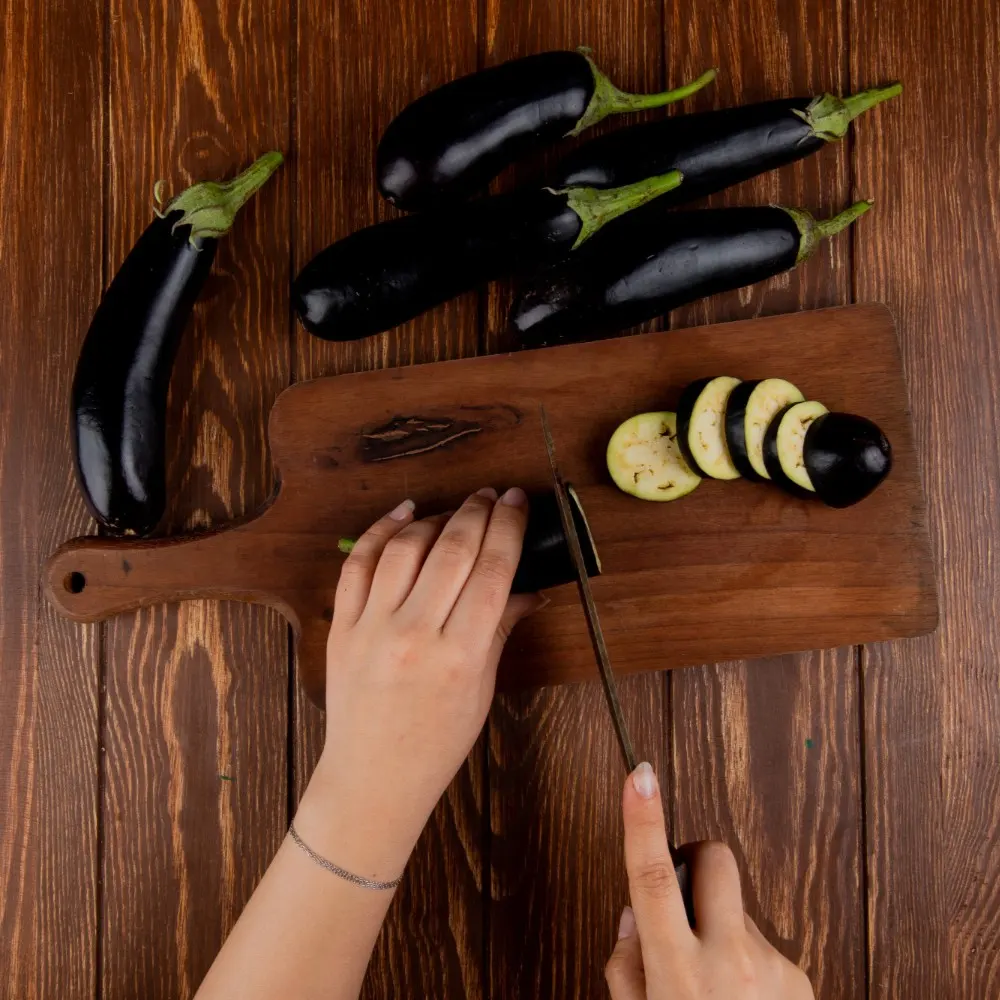
Eggplant is a nutritional powerhouse, low in calories and high in anthocyanins (specifically nasunin in the skin). However, the way you prepare it determines whether it remains a “health food.”
How to Cook Eggplant for Diabetes
For those managing blood sugar, eggplant is an excellent choice due to its high fiber and low-glycemic index. How to cook eggplant for diabetes involves avoiding heavy breading and deep-frying. Instead, focus on roasting or steaming.
Using an air fryer with a light spray of avocado oil allows you to enjoy a “fried” texture without the insulin-spiking fats and refined flours. Pair your eggplant with lean proteins like grilled chicken or chickpeas to create a balanced, fiber-rich meal that prevents glucose spikes.
For more diabetes-friendly options, explore pumpkin recipes for diabetics, and are black beans good for diabetics? The American Diabetes Association recommends non-starchy vegetables like eggplant as foundational foods for blood sugar management.
Low-Oil Cooking for Heart Health
Since eggplant is so porous, it can easily become a high-fat food. To keep it heart-healthy, try “dry-roasting” in a non-stick pan first to collapse the cells, then adding just a teaspoon of heart-healthy olive oil at the very end for flavor.
This technique ensures you get the polyphenols of the oil without the eggplant soaking up excessive amounts. Understanding foods that burn belly fat fast can complement your heart-healthy cooking strategy.
Easy Eggplant Recipes for Beginners
If you are feeling overwhelmed by the options, start with these three “fail-proof” approaches. These easy eggplant recipes for beginners require minimal equipment and focus on the most forgiving techniques.
- The “Sheet Pan” Roast: Cube one large eggplant, one red bell pepper, and one red onion. Toss with 2 tablespoons of olive oil, dried oregano, salt, and pepper. Roast at 400°F for 25 minutes. Toss with feta cheese and lemon juice.
- Simple Garlic Sauté: Slice Japanese eggplants into rounds. Sauté in a pan with sesame oil and minced garlic. Once soft, splash with soy sauce and a pinch of sugar. Serve over steamed rice.
- Basic Baked “Steaks”: Slice a Globe eggplant into 1-inch thick discs. Brush both sides with a mixture of olive oil, garlic powder, and salt. Bake at 400°F until the center is completely soft. Top with a spoonful of store-bought marinara and a slice of mozzarella for a “cheater’s” Eggplant Parm.
Best Way to Cook Eggplant: Method Comparison
With so many options, you might ask: What is the best way to cook eggplant? The answer depends on your goal for the meal.
| Goal | Best Method | Why? |
|---|---|---|
| Best Flavor | Roasting/Baking | Concentrates sugars and creates deep caramelization. |
| Best Texture | Air Frying | Provides a crispy exterior and creamy interior with minimal oil. |
| Speed | Microwave/Stovetop | Gets the job done in under 10 minutes. |
| Authenticity | Grilling/Charring | Necessary for smoky dishes like Baba Ganoush or Tortang Talong. |
What is the best way to eat an eggplant? Most culinary experts agree that roasting is the most appropriate method for general use, as it provides the most consistent results across all varieties. The Cleveland Clinic supports roasting as a nutrient-preserving cooking method for most vegetables.
Frequently Asked Questions
To conclude our guide, let’s address the most common technical hurdles cooks face when handling this vegetable.
Do you peel eggplant before you cook it?
As a general rule, if the skin is thin and shiny (like Japanese or young Globe), leave it on for the nutrients. If the skin feels thick, waxy, or tough, peel it. For roasting whole to make a dip, always leave the skin on to protect the flesh, then scoop the insides out after cooking.
How do you make eggplant not bitter?
Bitterness is caused by the seeds and the age of the vegetable. To prevent it:
- Choose eggplants that are heavy for their size with tight, shiny skin.
- Salt the slices: Sprinkle with salt and let them sit for 30 minutes, then pat dry. This removes the “bitter” juices.
- Avoid over-ripe eggplants that have many brown seeds.
Is eggplant better baked or fried?
Baking is “better” for daily health and ease of cleanup. Frying is “better” for occasional indulgence and traditional recipes where a rich, oily mouthfeel is desired. The air fryer is the perfect compromise between the two. Learn more about whether fried food is bad for heart health.
Can you eat undercooked eggplant?
While not poisonous in small amounts, undercooked eggplant is bitter, rubbery, and contains small amounts of solanine. It is far more enjoyable and digestible when cooked until completely soft. The Mayo Clinic advises thorough cooking of nightshade vegetables for optimal digestion.
Conclusion
Mastering how to cook eggplant is a journey from understanding its sponge-like nature to utilizing its incredible ability to absorb flavors. Whether you are slicing it for a smoky grill, breading it for a decadent Parmesan, or air-frying it for a healthy snack, the key is patience and heat management.
Remember: don’t be afraid of the “softness.” Unlike many other vegetables that are best served al dente, eggplant is at its peak when it is velvety, creamy, and fully transformed by heat.
Start with a simple roast, experiment with international flavors, and soon the “king of vegetables” will become a permanent crown jewel in your kitchen repertoire. For more vegetable inspiration, explore our guide on chicken and broccoli recipes to round out your plant-forward meals.
Authoritative References
- USDA FoodData Central. (2026). Eggplant, raw. https://fdc.nal.usda.gov/
- Harvard T.H. Chan School of Public Health. (2026). The Nutrition Source: Vegetables. https://www.hsph.harvard.edu/nutritionsource/vegetables/
- Mayo Clinic. (2026). Nutrition and healthy eating. https://www.mayoclinic.org/healthy-lifestyle/nutrition-and-healthy-eating
- American Heart Association. (2026). Healthy eating recommendations. https://www.heart.org/en/healthy-living/healthy-eating
- Academy of Nutrition and Dietetics. (2026). Smart ways to prepare vegetables. https://www.eatright.org/
- Cleveland Clinic. (2026). Healthy cooking methods. https://my.clevelandclinic.org/health/articles
- Johns Hopkins Medicine. (2026). Nutrition and food safety. https://www.hopkinsmedicine.org/health
- World Health Organization. (2026). Healthy diet fact sheet. https://www.who.int/health-topics/healthy-diet
- National Institutes of Health. (2026). Dietary supplements and nutrition. https://www.nih.gov/health-information
- American Diabetes Association. (2026). Non-starchy vegetables. https://www.diabetes.org/healthy-living

