



In the landscape of modern health and wellness, few topics have ignited as much debate as fasting. Once viewed primarily through a religious or spiritual lens, Does Fasting Help You Lose Weight fasting has transformed into a cornerstone of metabolic health and weight management.
As we navigate through 2026, the question on everyone’s mind remains: Does fasting help you lose weight, or is it simply another fleeting dietary trend? The popularity of fasting stems from its simplicity. Unlike traditional diets that require meticulous calorie counting or the elimination of specific food groups, fasting focuses on the “when” rather than just the “what.”
The Mayo Clinic emphasizes that meal timing strategies can significantly improve metabolic health outcomes when implemented correctly.
This definitive guide explores the physiological mechanics of fasting, the various schedules available, and the evidence-based realities of using fasting as a tool for permanent body transformation. The Harvard T.H. Chan School of Public Health confirms that time-restricted eating supports weight management and metabolic flexibility when paired with nutrient-dense whole foods.
Does Fasting Really Help You Lose Weight?
The short answer is yes—fasting is an exceptionally powerful tool for weight reduction. However, its efficacy depends entirely on how it is implemented.
For the majority of the population, fasting addresses the root cause of fat storage: insulin. In a world where food is available 24/7, our bodies rarely leave the “fed state.” Fasting forces the body into a “fasted state,” where it must rely on internal energy stores.
Research from PubMed Central confirms that intermittent fasting can produce comparable weight loss to continuous calorie restriction while preserving lean muscle mass.
Weight Loss vs. Fat Loss
It is crucial to understand the difference between losing weight and burning fat. In the first few days of a fast, the scale often drops rapidly (sometimes 2kg to 4kg in a week). Much of this initial “weight” is actually:
- Water Weight: Carbohydrates are stored as glycogen, and each gram of glycogen holds about 3 to 4 grams of water. As you burn glycogen, you release that water.
- Gut Content: Having less food in your digestive tract reduces your total physical mass.
- Adipose Tissue (Fat): True fat loss begins in earnest once glycogen levels are low and insulin stays suppressed for several hours.
The CDC Healthy Weight Guidelines emphasize that sustainable fat loss requires both dietary timing and consistent physical activity.
How Does Fasting Help You Lose Weight?
Traditional dieting focuses on a calorie deficit, but fasting focuses on hormonal optimization. When you eat, blood sugar rises, and the pancreas secretes insulin. Insulin is a storage hormone; its job is to move energy into cells and stop the body from burning fat.
When you stop eating, your insulin levels fall. Only when insulin is low can the body access the fat stored in your adipose tissue. The American Heart Association notes that managing insulin sensitivity supports long-term cardiovascular wellness.
The Fasting Timeline
- 12 Hours: You have mostly finished digesting your last meal. Growth hormone begins to rise.
- 16 Hours: For most people, this is the “sweet spot” where fat burning (lipolysis) significantly accelerates.
- 24 Hours+: Autophagy (cellular cleanup) increases, and the body is almost entirely reliant on stored fat for fuel.
Understanding foods that burn belly fat fast can complement your fasting protocol for enhanced metabolic results.
Best Intermittent Fasting Schedules for Weight Loss

Intermittent fasting (IF) involves cycling between periods of eating and abstaining from food. Research consistently shows that IF is just as effective as continuous calorie restriction, and in some cases, superior for preserving lean muscle mass.
The Academy of Nutrition and Dietetics recommends personalized fasting approaches based on individual health status and lifestyle factors.
The 16:8 and 18:6 Methods
- 16:8 Schedule: You fast for 16 hours and eat all your meals within an 8-hour window (e.g., 12 PM to 8 PM). This is the most sustainable method for beginners.
- 18:6 Schedule: Fasting for 18 hours is often considered the optimal window to target stubborn visceral (belly) fat. The extra two hours keep insulin suppressed long enough to signal the body to release fatty acids stored in the midsection.
For balanced meal inspiration during eating windows, explore our chicken and broccoli recipe that supports nutrient density and satiety.
How Much Weight Can You Lose?
If you are starting a 16:8 protocol, a realistic expectation for pure fat loss is 0.5kg to 1kg per week. While you might see the scale drop by 2kg or more in the first week due to water weight, consistent, long-term fat loss averages out to about 1% of your body weight per week.
Speed is the enemy of sustainability; extreme fasts to drop “20 pounds fast” usually result in rebound weight gain. The Cleveland Clinic advises that gradual weight loss supports long-term maintenance.
Fasting for Special Conditions & Situations
Fasting interacts directly with our unique biological profiles and must be adjusted accordingly. The Johns Hopkins Medicine emphasizes individualized approaches for optimal health outcomes.
PCOS and Fasting
Women with Polycystic Ovary Syndrome often struggle with hyperinsulinemia. Fasting lowers insulin, which can reduce male hormones (androgens) and promote fat loss. However, aggressive fasting can spike cortisol.
A gentle 14:10 schedule is usually the healthiest approach. For those managing blood sugar, see our guides on pumpkin recipes for diabetics and whether black beans are good for diabetics.
Ramadan and Weight Management
Does fasting during Ramadan help you lose weight? It depends entirely on your evening meals. Because the fast is often broken with celebratory, calorie-dense foods, many actually gain weight.
Fat loss during Ramadan requires focusing on lean proteins and complex carbohydrates during Suhoor and Iftar. Pair meals with our homemade marinara sauce for flavorful, nutrient-dense options.
Water Fasting vs. Intermittent Fasting
While water fasting (consuming only water for 24-72 hours) results in rapid weight loss, it risks muscle breakdown and requires medical supervision. Intermittent fasting is vastly superior for long-term body composition.
The World Health Organization encourages evidence-based dietary patterns that support sustainable metabolic health.
Nutrition During the Eating Window
Fasting is a tool, not a “hall pass” to consume ultra-processed junk food. The clock dictates when you eat, but the plate dictates how your body composition will actually change.
To see sustainable results, you must prioritize cellular nourishment during your specific feeding hours. The FDA provides guidance on meeting daily nutrient requirements through balanced eating patterns.
Protein Prioritization
Protein is the most crucial macronutrient during your eating window. It provides immense satiety, preventing you from overeating.
More importantly, consuming 0.8g to 1g of protein per pound of your ideal body weight prevents muscle catabolism (breakdown) while you are losing fat. Muscle is metabolically active tissue; preserving it keeps your resting metabolism high.
For heart-healthy fat choices, explore whether olive oil is good for cooking.
Integrating Fiber and Healthy Fats
Healthy fats and complex fibers are the ultimate tools for controlling insulin and keeping you full during the long fasting hours.
Incorporate ample avocados, extra virgin olive oil, walnuts, and leafy greens into your meals. These foods digest slowly, providing a steady, prolonged release of energy rather than a sharp, crash-inducing sugar spike.
Understanding that fried food is bad for heart health helps you balance indulgent preparations with heart-healthy choices.
Breaking Through Weight Loss Plateaus
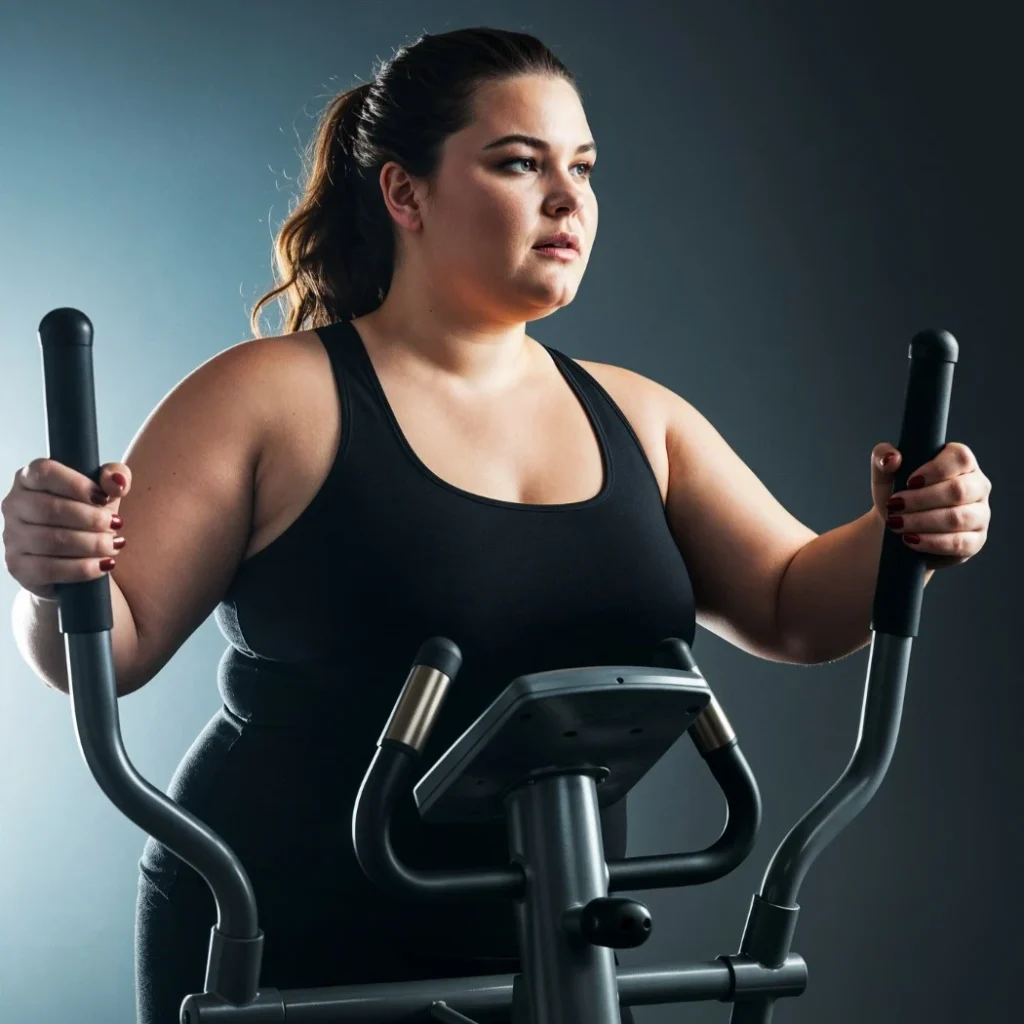
It is incredibly common to experience rapid, motivating weight loss in the first month, followed by a frustrating, multi-week stall. The human body is a master of adaptation, and understanding how to disrupt homeostasis is vital.
Research published in MDPI Nutrients confirms that strategic dietary adjustments support continued metabolic progress.
Identifying Hidden Caloric Spikes
If your progress stalls, investigate your habits. The most common culprit is portion creep. Without realizing it, many people begin eating significantly larger meals during their window to psychologically “make up” for the fasting hours.
Another saboteur is the “health halo” of continuous snacking. Grazing on almonds and fruit throughout your entire eating window keeps insulin slightly elevated all day. Stick strictly to two or three distinct, large meals.
Adjusting Sleep and Stress Variables
You cannot fast your way out of chronic sleep deprivation. High stress and poor sleep elevate cortisol levels.
Elevated cortisol aggressively signals your body to store fat, particularly around the midsection, regardless of your fasting window. Prioritizing 8 hours of quality sleep and utilizing stress-reduction techniques are mandatory components of a successful fasting lifestyle.
For antioxidant-rich inspiration, explore our guide on the benefits of cloves to enhance your meals with complementary phytonutrients.
Complete 7-Day Fasting Meal Plan
To remove the guesswork, utilize this balanced 7-day meal plan. It is designed for a standard 16:8 schedule, assuming an eating window from 12:00 PM to 8:00 PM.
The Academy of Nutrition and Dietetics emphasizes meal planning for consistent nutrient intake.
| Day | Meal 1 (12:00 PM) | Mid-Day Snack (3:30 PM) | Meal 2 (7:30 PM) |
|---|---|---|---|
| Monday | Greek yogurt bowl, chia seeds, berries | Apple slices with almond butter | Grilled chicken breast, quinoa, roasted broccoli |
| Tuesday | 3-egg spinach and feta omelet | Small handful of raw walnuts | Baked wild salmon, asparagus, sweet potato |
| Wednesday | Tuna salad in romaine lettuce wraps | One small orange or kiwi | Beef and broccoli stir-fry with cauliflower rice |
| Thursday | Avocado toast on sourdough, 2 poached eggs | Hard-boiled egg | Ground turkey tacos in lettuce cups, fresh salsa |
| Friday | Large kale salad with chickpeas, pumpkin seeds | Hummus with cucumber sticks | Grilled shrimp, sautéed zucchini, olive oil |
| Saturday | Brunch: Scrambled eggs, bacon, mixed fruit | Skip snack to rest digestion | Portobello mushroom burgers (no bun), side salad |
| Sunday | Whey protein smoothie with spinach and berries | 1/2 cup organic cottage cheese | Roasted whole chicken, root vegetables, carrots |
For more vegetable-based meal inspiration, see our guide on how to cook broccoli.
Frequently Asked Questions
Does fasting burn belly fat specifically?
Yes. By keeping insulin levels low for extended periods, the body is forced to access “stubborn” visceral fat stores. Fasting attacks belly fat from a hormonal level, making it highly effective when combined with light exercise.
The American Diabetes Association notes that managing insulin sensitivity supports targeted fat loss and metabolic health.
Can I drink anything during the fasting window?
To maintain a “clean” fast for weight loss, stick to non-caloric beverages: water (still or sparkling), black coffee, and plain green or black tea. Avoid adding milk, cream, or sugar.
The Harvard T.H. Chan School of Public Health provides guidance on beverage choices during fasting periods.
Will fasting make me lose muscle?
Studies show that intermittent fasting is often better at preserving lean muscle than traditional constant calorie restriction, provided you consume adequate protein during your eating window and engage in resistance training.
The American College of Sports Medicine confirms that protein timing supports muscle preservation during weight loss.
What is the best fasting schedule for beginners?
Start with a 12:12 schedule (12 hours fasting, 12 hours eating) and gradually progress to 14:10 or 16:8 as your body adapts. Consistency matters more than duration.
The CDC Physical Activity Guidelines emphasize that gradual lifestyle changes support long-term adherence and health outcomes.
Can I exercise while fasting?
Yes. Exercising in a fasted state often accelerates fat oxidation, as the body must rely entirely on stored fat for workout fuel. However, schedule intense workouts toward the end of your fast so you can immediately refuel with protein.
The American Heart Association emphasizes that combining nutrition timing with physical activity supports cardiovascular wellness.
Conclusion
The overwhelming scientific and anecdotal evidence in 2026 confirms that fasting is a highly effective weight loss tool. By leveraging the body’s natural hormonal responses—primarily the lowering of insulin—fasting provides a physiological advantage that traditional calorie counting lacks.
However, the “best” fasting method is not the one that promises the fastest results, but the one you can maintain for a year or more. Consistency will always outperform extreme restriction. For more balanced meal inspiration during eating windows, explore our chicken and broccoli recipe to complement your fasting protocol with nutrient-dense whole foods.
Focus on nutrient density during your eating windows, respect your body’s stress signals, and remember that sustainable transformation requires patience. Your body wants to heal and find balance; you simply have to give it the time and the environment to do so.
Authoritative References
- Mayo Clinic. (2026). Nutrition and healthy eating. https://www.mayoclinic.org/healthy-lifestyle/nutrition-and-healthy-eating
- Harvard T.H. Chan School of Public Health. (2026). The Nutrition Source. https://www.hsph.harvard.edu/nutritionsource/
- National Institutes of Health. (2026). Health information and research. https://www.nih.gov/
- CDC. (2026). Chronic disease prevention and healthy living. https://www.cdc.gov/
- FDA. (2026). Food labeling and nutrition. https://www.fda.gov/food/food-labeling-nutrition
- American Heart Association. (2026). Healthy eating recommendations. https://www.heart.org/
- Academy of Nutrition and Dietetics. (2026). Fasting and nutrient timing. https://www.eatright.org/
- Cleveland Clinic. (2026). Health essentials and patient guidance. https://my.clevelandclinic.org/health
- Johns Hopkins Medicine. (2026). Nutrition and metabolic health. https://www.hopkinsmedicine.org/health
- World Health Organization. (2026). Healthy diet fact sheet. https://www.who.int/health-topics/healthy-diet

