



The world of baking is divided into many decadent sectors, but few ingredients command as much respect and affection as cream cheese. Whether it is providing the tangy backbone to a silky frosting or creating the dense, moist crumb of a high-end pound cake, cream cheese is a transformative force.
However, there is often a significant amount of confusion surrounding the term cream cheese cake. Is it a cheesecake? Is it a sponge cake with cheese in the batter? Or is it a classic layer cake draped in a thick velvet icing?
In this ultimate 2026 guide, we explore the vast landscape of the cream cheese cake. From the iconic Philadelphia cream cheese cake to the gravity-defying Japanese cream cheese cake, we will cover the techniques, recipes, and storage secrets that every home baker needs to master this dessert.
The USDA FoodData Central confirms that cream cheese provides vitamin A and calcium, though portion awareness remains essential for balanced enjoyment.
What is a Cream Cheese Cake?
At its core, a cream cheese cake refers to any cake where cream cheese is a primary structural or flavoring component. Unlike a traditional sponge cake that relies solely on butter for fat, a cream cheese cake incorporates softened cream cheese directly into the batter.
This results in a unique crumb—tighter than a standard yellow cake but softer and more velvety than a traditional pound cake. The Mayo Clinic notes that understanding ingredient functions helps bakers achieve consistent, high-quality results.
Why It’s Different from Cheesecake
While the names are similar, the execution is entirely different. A cheesecake is essentially a baked custard; it is typically flourless (or contains very little flour) and relies on eggs and cream cheese to create a dense, creamy texture.
A cream cheese cake, conversely, is a true cake. It uses flour, leavening agents like baking powder, and the creaming method to produce a sliceable, airy dessert that can be stacked, frosted, and decorated for birthdays and holidays. For balanced meal inspiration, explore our chicken and broccoli recipe.
What Are the Ingredients in a Cream Cheese Cake?
The magic of a high-quality cream cheese cake lies in the harmony of pantry staples and dairy. The Harvard T.H. Chan School of Public Health emphasizes that ingredient quality significantly impacts both flavor and nutritional outcomes.
- Cream Cheese: The star ingredient. For the best results, always use full-fat blocks, not the spreadable tubs meant for bagels.
- Butter: Unsalted butter allows you to control the sodium levels. It provides the classic “bakery” flavor.
- Sugar: Fine granulated sugar is preferred for a smooth aeration during the creaming process.
- Eggs: These provide structure and leavening.
- Flour: Most recipes call for all-purpose flour, though cake flour can be used for an even more delicate “silk” texture.
- Vanilla: A high-quality pure vanilla extract or vanilla bean paste cuts through the tang of the cheese.
Understanding whether olive oil is good for cooking helps you select fats that enhance flavor without overwhelming delicate dessert profiles.
How Do You Make a Cream Cheese Cake?
Learning how to make cream cheese cake is a rite of passage for many bakers. The secret isn’t just in the ingredients; it’s in the temperature. The Academy of Nutrition and Dietetics emphasizes that proper technique ensures both safety and optimal texture.
Basic Baking Method (Step-by-Step)
- Room Temperature is Mandatory: Your cream cheese, butter, and eggs must be at room temperature. Cold cream cheese will result in a lumpy batter that no amount of whisking can fix.
- The Creaming Process: Beat the butter and cream cheese together first until smooth, then add the sugar. Continue beating for at least 3–5 minutes until the mixture looks pale and voluminous.
- Low and Slow: Most cream cheese cakes are baked at 325°F (163 °C) rather than the standard 350°F. This prevents the edges from drying out before the dense center is fully set.
- The Cooling Phase: Never frost a cream cheese cake while it is warm. Because of the high fat content, the cake needs to “set” its structure as it cools.
For air fryer enthusiasts seeking quick dessert prep, explore our PowerXL air fryer recipes for beginners.
Easy Cream Cheese Cake Recipe
If you are looking for an easy cream cheese cake recipe, the “One-Bowl” method is the way to go.
- Ingredients: 1 block cream cheese, 1 box yellow cake mix, 3 eggs, 1/2 cup melted butter, 1 tsp vanilla.
- Method: Simply beat the softened cheese until smooth, fold in the remaining ingredients, and bake in a 9×13 pan. This creates a “gooey butter cake” style dessert that is a staple at potlucks.
Pair with our homemade marinara sauce for a creative sweet-savory dessert twist.
Best Cream Cheese Cake Recipes
The versatility of the cream cheese base allows it to pair with almost any flavor profile, from acidic citrus to deep, earthy pumpkin. The American Heart Association notes that mindful indulgence supports overall wellness.
Philadelphia Cream Cheese Cake Recipe
The Philadelphia cream cheese cake is the industry standard. Since 1872, this brand has maintained a specific moisture-to-fat ratio that professional bakers rely on. A “Philly” cake is known for its stark white interior and a distinct tang that isn’t overpowered by the sugar.
Strawberry Cream Cheese Cake Recipe
To make a strawberry cream cheese cake, you can either swirl strawberry purée into the batter or layer fresh slices between cream cheese-filled sponges.
Pro Tip: If using fresh berries in the batter, toss them in a tablespoon of flour first to prevent them from sinking to the bottom of the pan. For antioxidant-rich inspiration, explore our guide on the benefits of cloves.
Japanese Cream Cheese Cake
The cream cheese cake, Japanese style (also known as Soufflé Cheesecake), is a global phenomenon. It uses a “jiggle” technique where egg whites are whipped into stiff peaks and folded into a melted cream cheese and butter base.
It is baked in a water bath to achieve a texture that is a cross between a cloud and a sponge. The FDA provides guidance on safe baking practices for home kitchens.
Cream Cheese Pound Cake
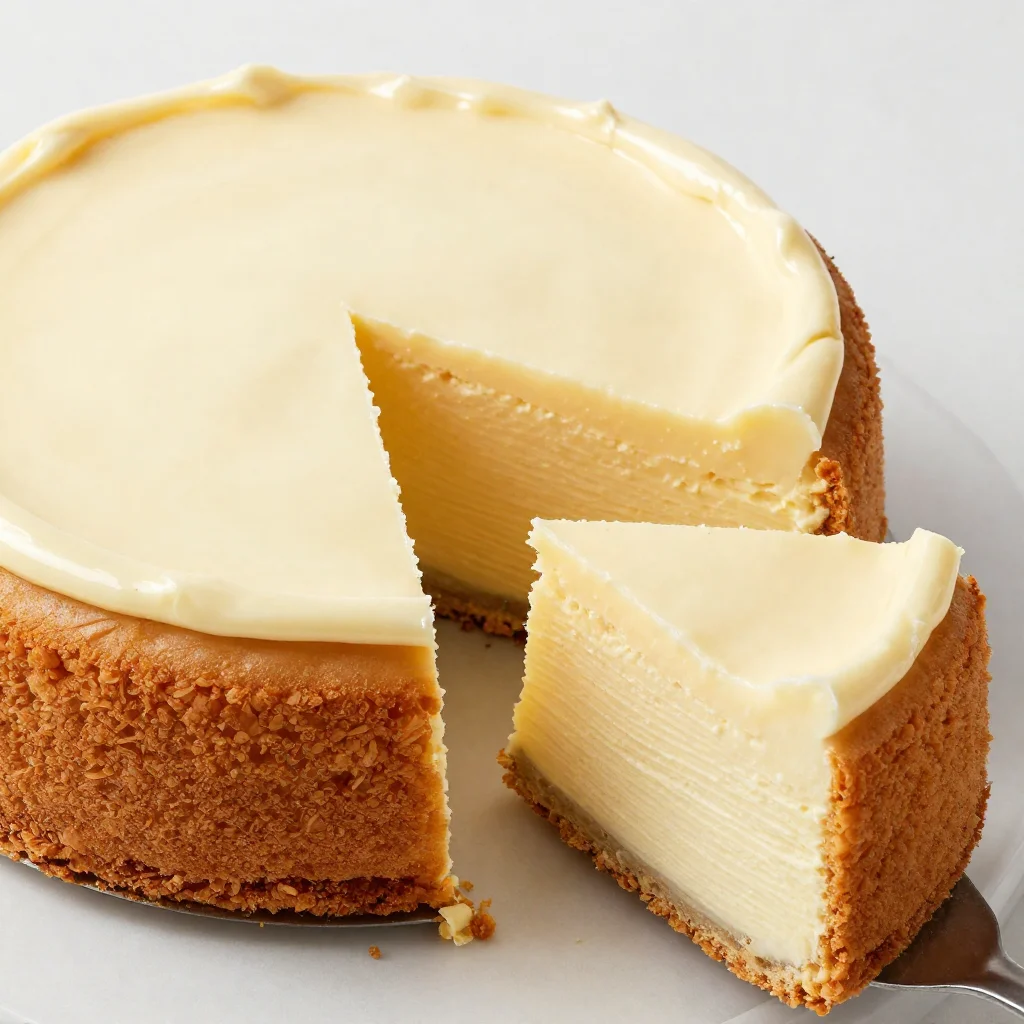
While layer cakes are popular, the cream cheese pound cake is perhaps the most beloved iteration of this dessert. Understanding whether fried food is bad for heart health helps you balance indulgent desserts with heart-healthy lifestyle choices.
What Is a Cream Cheese Pound Cake?
A traditional pound cake uses a 1:1:1:1 ratio of flour, butter, sugar, and eggs. A cream cheese pound cake replaces a portion of the butter with cream cheese. This simple swap creates a cake that is significantly more moist and has a much longer shelf life.
Best Cream Cheese Pound Cake Ever
To achieve the best cream cheese pound cake recipe ever, you must use the “reverse creaming” method. Mix your dry ingredients with the softened butter and cream cheese until it looks like wet sand, then slowly add your liquids.
This minimizes gluten development, resulting in a “melt-in-your-mouth” texture. For more vegetable-based meal inspiration, see our guide on how to cook broccoli.
Old Fashioned Cream Cheese Pound Cake Recipe
The old-fashioned cream cheese pound cake recipe usually calls for a cold oven start. Placing the cake in a cold oven and then turning on the heat allows the cake to rise slowly and evenly, creating a signature thick, sugary crust on the top that many consider the best part of the cake.
Cream Cheese Cake Frosting, Filling & Icing
The terms “frosting” and “icing” are often used interchangeably, but in the world of cream cheese, the distinction matters. Cream cheese is naturally soft and high in moisture, which presents unique challenges for structural integrity.
The CDC Food Safety Guidelines emphasize proper handling of dairy-based frostings to prevent bacterial growth.
How to Make Cream Cheese Frosting for Cake
The secret to the perfect cream cheese cake frosting is the ratio of butter to cheese. If you use too much cheese, the frosting becomes runny; too much butter, and you lose that iconic tang.
- The Golden Ratio: Use a 1:2 ratio of butter to cream cheese (e.g., 1/2 cup butter to 8oz cream cheese).
- Consistency Tips: Always beat the butter and cheese together before adding the powdered sugar. If the frosting feels too soft for piping, refrigerate it for 30 minutes. This “firms up” the fats without requiring more sugar, which would make the frosting cloyingly sweet.
Cream Cheese Cake Filling
When making a multi-layer cake, you may want a cream cheese cake filling that is lighter than the exterior frosting. To achieve this, fold stabilized whipped cream (whipped cream with a bit of gelatin or cornstarch) into your cream cheese mixture.
This creates a mousse-like texture that provides height without the weight. For those managing blood sugar, see our guides on pumpkin recipes for diabetics and whether black beans are good for diabetics.
What Cakes Go With Cream Cheese Frosting?
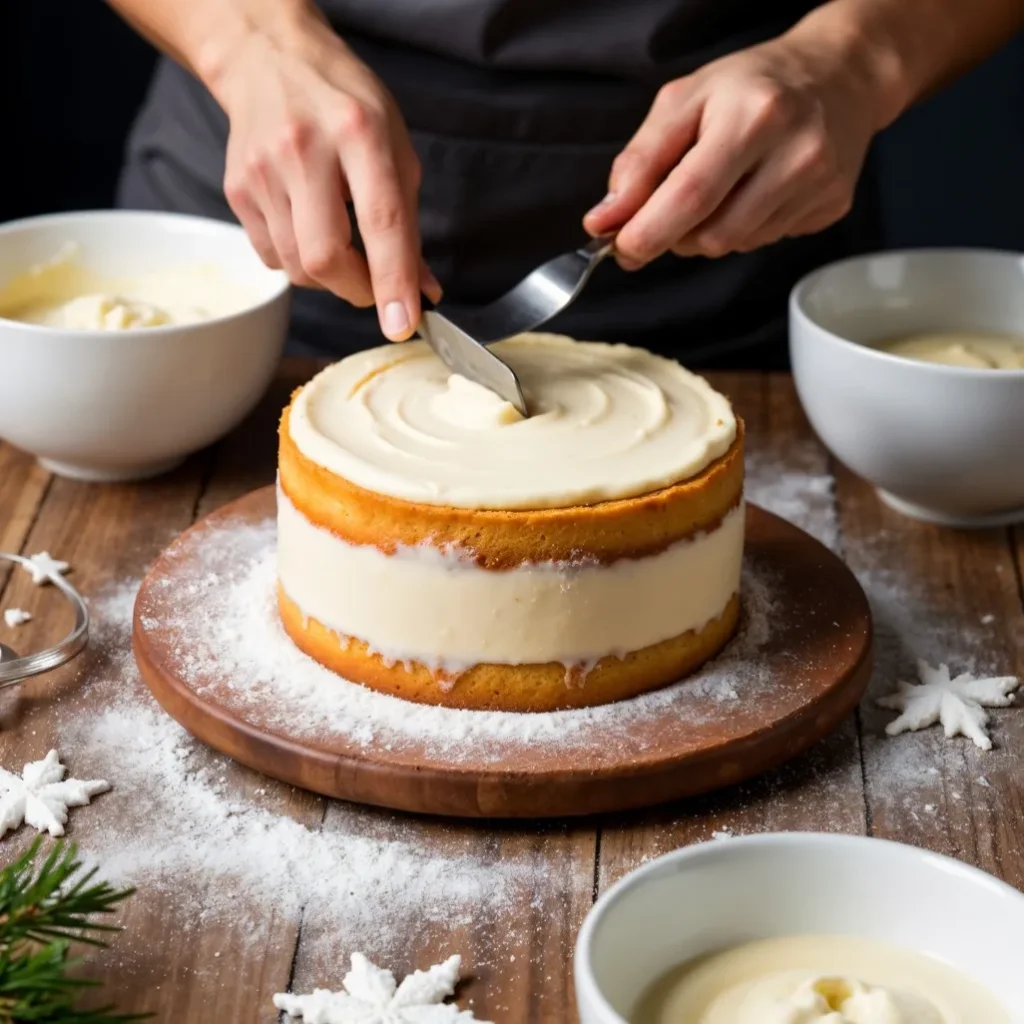
Cream cheese frosting is bold. Its acidity means it shouldn’t be paired with just any sponge. You need a cake that can “fight back” with its own strong flavor profile. The Cleveland Clinic notes that balanced indulgence supports long-term wellness.
Does Cream Cheese Frosting Go With Chocolate Cake?
A common debate among bakers is: Is cream cheese frosting good on chocolate cake? The answer is a resounding yes. The tanginess of the cheese acts similarly to buttermilk in a recipe—it highlights the deep, bitter notes of the cocoa.
This pairing is often seen in “Black and White” cakes or gourmet cupcakes. Understanding foods that burn belly fat fast can complement your balanced approach to dessert enjoyment.
Best Cakes That Pair with Cream Cheese Frosting
- Red Velvet: This is the most iconic pairing. The slight cocoa flavor of red velvet is almost unfinished without the cream cheese “velvet” topping.
- Banana Cake: The sweetness of overripe bananas is perfectly balanced by the sharp acidity of the cheese.
- Pumpkin Cake: Essential for autumn, the creaminess of the frosting mimics the texture of pumpkin purée.
- Hummingbird Cake: A Southern classic featuring pineapple and bananas that requires the cooling effect of a chilled cream cheese icing.
Frequently Asked Questions
What is a Dolly Parton Cheesecake?
In the world of branded desserts, the Dolly Parton Cheesecake refers to a popular line of Duncan Hines cake mixes and frostings developed in collaboration with the country music icon. Specifically, her “Fab-Five” recipes often feature a cream cheese base or a rich cream cheese frosting, bringing Southern “Diva” flavors to the masses.
It is celebrated for being beginner-friendly while retaining a “made-from-scratch” taste. The World Health Organization encourages mindful enjoyment of treats as part of a balanced lifestyle.
Is Cream Cheese Cake the Same as Cheesecake?
As established in our comparison table, they are not the same. A cream cheese cake is a flour-based sponge with cheese added for moisture and flavor. A cheesecake is a custard-based dessert with little to no flour that relies on the cheese for its entire structure.
The American Diabetes Association notes that understanding food composition helps individuals make informed dietary choices.
Why did my cream cheese frosting turn out runny?
This is almost always due to over-beating or warm ingredients. Cream cheese loses its structural integrity if beaten for too long once the sugar is added. Furthermore, if your butter was too soft (nearly melted), the frosting will not hold its shape.
The American College of Sports Medicine emphasizes that balanced nutrition supports both performance and recovery.
Can I use low-fat cream cheese for baking?
You can, but it is not recommended for a cream cheese pound cake. Low-fat or “light” cream cheese has a higher water content. This extra moisture can cause your cake to collapse or become unpleasantly gummy. For frosting, low-fat versions often fail to pipe correctly.
The Academy of Nutrition and Dietetics provides guidance on selecting appropriate ingredients for baking success.
How long does cream cheese cake last in the fridge?
Properly stored in an airtight container, cream cheese cake maintains optimal freshness for 3-5 days in the refrigerator. For longer storage, freeze individual slices wrapped tightly in plastic and foil for up to 3 months.
The CDC Food Safety Resources emphasize that proper storage prevents foodborne illness and preserves quality.
Conclusion
The cream cheese cake is more than just a dessert; it is a testament to the versatility of dairy in the culinary arts. Whether you are folding it into an Italian cream cheese cake recipe, whipping it into a velvet-soft frosting for a red velvet masterpiece, or perfecting the “jiggle” of a Japanese cream cheese cake, you are participating in a rich tradition of indulgence.
By mastering the core techniques—ensuring room temperature ingredients, balancing the tang with the sweet, and respecting the refrigeration needs of fresh dairy—you can create professional-grade desserts in your own kitchen.
For more balanced meal inspiration during non-dessert times, explore our chicken and broccoli recipe to complement your baking adventures with nutrient-dense whole foods.
From the dense, comforting slice of an old-fashioned cream cheese pound cake to the light, airy thrill of a no-bake summer treat, the possibilities are as endless as they are delicious. Remember: mindful enjoyment of treats supports both pleasure and wellness when balanced with overall healthy habits.
Authoritative References
- USDA FoodData Central. (2026). Cream cheese nutritional profile. https://fdc.nal.usda.gov/
- Mayo Clinic. (2026). Nutrition and healthy eating. https://www.mayoclinic.org/healthy-lifestyle/nutrition-and-healthy-eating
- Harvard T.H. Chan School of Public Health. (2026). The Nutrition Source. https://www.hsph.harvard.edu/nutritionsource/
- Academy of Nutrition and Dietetics. (2026). Baking and food safety. https://www.eatright.org/
- American Heart Association. (2026). Healthy eating recommendations. https://www.heart.org/
- FDA. (2026). Food labeling and nutrition. https://www.fda.gov/food/food-labeling-nutrition
- CDC. (2026). Food safety guidelines. https://www.cdc.gov/food-safety/
- Cleveland Clinic. (2026). Health essentials and patient guidance. https://my.clevelandclinic.org/health
- Johns Hopkins Medicine. (2026). Nutrition and food safety. https://www.hopkinsmedicine.org/health
- World Health Organization. (2026). Healthy diet fact sheet. https://www.who.int/health-topics/healthy-diet

