



In the expansive world of herbal medicine, few plants carry as much historical weight and culinary fame as oregano (Origanum vulgare). What Are the Benefits of Oregano Tea? While most of us recognize its aromatic scent on a fresh pizza or within a savory Mediterranean marinade, its therapeutic potential extends far beyond the kitchen.
As we navigate the health landscape of 2026, natural remedies are seeing a massive resurgence, and oregano tea has emerged as a frontrunner for those seeking respiratory, digestive, and immune support. The National Center for Biotechnology Information confirms that oregano contains bioactive compounds with documented antimicrobial properties.
But what are the benefits of oregano tea, and why has it remained a staple in traditional apothecaries for millennia? Often referred to as “liquid gold” in certain folk medicine circles, this herbal infusion is packed with volatile oils and polyphenols that interact with our biology in fascinating ways.
From clearing stubborn mucus in the lungs to soothing a distressed stomach, the health benefits of drinking oregano tea are as diverse as the cultures that first discovered them. For antioxidant-rich inspiration, explore our guide on the benefits of cloves to enhance your herbal wellness routine.
However, with great potency comes the need for great caution. Unlike milder herbal teas like chamomile or peppermint, oregano tea is highly concentrated in active compounds like carvacrol and thymol. This means that understanding oregano tea side effects and precautions is just as vital as knowing its virtues.
This guide serves as the ultimate 2026 resource, providing a science-backed exploration of what this tea does for your body, how to prepare it from fresh or dried leaves, and—most importantly—how to consume it safely. The Mayo Clinic emphasizes that herbal remedies should complement, not replace, professional medical care.
What Is Oregano Tea and How Does It Work?
Oregano tea is a functional beverage created by steeping the leaves of the oregano plant in hot water. While it belongs to the mint family (Lamiaceae), its chemical profile is much “spicier” and more robust than its cousins.
The primary mechanism of action lies in its essential oils, which are released during the steeping process. The USDA FoodData Central confirms that oregano is rich in vitamin K, manganese, and antioxidant compounds that support overall wellness.
Does Oregano Tea Really Work?
The question of whether oregano tea really works is best answered by looking at both historical tradition and modern pharmacology. In traditional Greek and Roman medicine, oregano was used as a primary treatment for skin sores, aching muscles, and respiratory distress.
Modern science suggests these ancient practitioners were onto something. Research into the plant’s chemical constituents—specifically carvacrol, thymol, and rosmarinic acid—shows significant antimicrobial and anti-inflammatory activity. The Healthline provides evidence-based information on herbal remedies and their documented effects.
While a cup of tea is less concentrated than a distilled essential oil, it still delivers a functional dose of these antioxidants directly to the digestive and respiratory tracts. For balanced meal inspiration during non-tea times, explore our chicken and broccoli recipe to complement your herbal wellness routine.
Difference Between Oregano Tea and Oil of Oregano
It is critical to distinguish between the tea and the oil.
- Oregano Tea: Made from the leaves, it is a gentle, water-based infusion suitable for most people when consumed in moderation.
- Oil of Oregano: An extremely potent, concentrated extract that is often too strong for direct ingestion without a carrier oil or capsule. While they share the same base plant, the tea is a much safer entry point for daily wellness and symptomatic relief.
The Harvard T.H. Chan School of Public Health notes that understanding herbal preparation methods helps consumers make informed choices about complementary therapies.
What Are the Health Benefits of Oregano Tea?
When people ask, “What are the health benefits of oregano tea?” they are usually looking for a “whole-body” answer. The tea doesn’t just target one organ; it acts as a systemic tonic due to its high antioxidant load.
The Academy of Nutrition and Dietetics emphasizes that herbal remedies should be integrated thoughtfully into overall wellness strategies.
What Are the Health Benefits of Drinking Oregano Tea?
- Antioxidant Powerhouse: Oregano is one of the highest-ranking herbs on the ORAC (Oxygen Radical Absorbance Capacity) scale. Drinking the tea helps neutralize free radicals, which are unstable molecules that cause cellular damage and aging.
- Anti-Inflammatory Properties: The presence of rosmarinic acid helps inhibit the enzymes that trigger inflammation. This makes it a popular choice for those dealing with chronic low-grade inflammation.
- Antimicrobial Effects: Oregano tea acts as a natural “deterrent” for pathogens. Carvacrol has been shown in various studies to disrupt the cell membranes of certain harmful bacteria and fungi, supporting the body’s natural defense systems.
Research from ScienceDirect confirms that oregano’s phytochemical profile supports multiple physiological systems when consumed appropriately.
Benefits of Oregano Tea for Specific Health Concerns
The versatility of oregano tea is what makes it a household favorite. Here is a breakdown of how it specifically targets various bodily systems.
The American Heart Association notes that plant-based remedies can complement conventional cardiovascular health approaches.
What Are the Benefits of Oregano Tea for Lungs?
Perhaps the most famous use for this herb is respiratory support. Oregano tea benefits for the lungs are primarily centered around its “expectorant” qualities. It helps thin out thick mucus, making it easier for the body to clear the airways.
- Bronchial Relaxation: The volatile oils can help soothe the smooth muscles of the respiratory tract.
- Pollution Protection: For those living in urban environments with high smog levels, the antioxidants in oregano tea may help protect lung tissue from oxidative stress.
The Johns Hopkins Medicine provides guidance on respiratory health maintenance and supportive care strategies.
What Are the Benefits of Oregano Tea for Cough?
If you are struggling with a persistent dry or productive cough, a warm cup of oregano tea can be incredibly soothing. It acts as a mild antispasmodic, which may reduce the frequency of coughing fits.
When combined with honey, it creates a coating that reduces throat irritation while the oregano works on the underlying congestion. Understanding whether olive oil is good for cooking helps you select fats that enhance flavor without overwhelming delicate herbal profiles.
What are the Benefits of Oregano Tea for a Cold?
During a cold, the body is under siege from viral pathogens and secondary bacterial risks. Oregano tea benefits for cold symptoms include:
- Congestion Relief: Inhaling the steam while drinking the tea can help open up nasal passages.
- Immune Modulation: It doesn’t just “boost” the immune system; it helps it function more efficiently by reducing the overall “load” of oxidative stress on the body.
For those managing blood sugar, see our guides on pumpkin recipes for diabetics and whether black beans are good for diabetics.
Oregano Tea Benefits for Stomach and Digestion
The gut is often where oregano tea shines brightest. Known for its “carminative” properties, it helps expel gas and reduce bloating.
- Indigestion: Drinking the tea after a heavy meal can stimulate the production of bile, aiding in the breakdown of fats.
- Gut Flora: Some herbalists use oregano tea to help manage an overgrowth of harmful bacteria in the small intestine (SIBO), although this should always be done under professional guidance.
The CDC emphasizes that digestive health supports overall immune function and wellness.
Benefits of Oregano Tea for Kidneys, Skin, and Women’s Health

Beyond the “Big Three” (lungs, stomach, immune), oregano tea has specific applications for other vital areas. The Cleveland Clinic provides guidance on holistic approaches to organ system support.
What Are the Benefits of Oregano Tea for Kidneys?
Regarding the question, “What does oregano tea do for kidneys?”, the answer lies in its mild diuretic effect. Increasing urine production slightly helps the kidneys flush out toxins and excess sodium.
However, because it is potent, individuals with existing kidney disease must use it with caution to avoid overworking the filtration system. The FDA provides resources on herbal supplement safety and appropriate use.
What Are the Benefits of Oregano Tea for Skin?
The benefits of oregano tea for skin are primarily internal. By reducing systemic inflammation and supporting the liver/kidneys in detoxification, many drinkers find that their skin appears clearer and less prone to inflammatory breakouts like acne or rosacea.
Some also use cooled oregano tea topically as a wash for minor fungal irritations, though drinking it provides more widespread benefits. For air fryer enthusiasts seeking quick meal prep, explore our PowerXL air fryer recipes for beginners.
Oregano Tea Benefits for Women
For centuries, oregano has been used to support the female reproductive system. Oregano tea benefits for women include:
- Menstrual Comfort: Its antispasmodic properties can help reduce the severity of uterine cramps.
- Hormonal Balance: While not a hormone replacement, its ability to reduce inflammation can help manage the symptoms of hormonal fluctuations during the cycle.
The American Diabetes Association notes that inflammation management supports overall metabolic health in women.
Oregano Tea Benefits for Weight Loss
Can an herbal tea really help you shed pounds? Oregano tea benefits weight loss indirectly rather than acting as a fat burner.
- Reduced Bloating: By improving digestion and reducing gas, it can result in a flatter-looking midsection.
- Blood Sugar Support: Some studies suggest carvacrol may help improve insulin sensitivity, which is a key factor in weight management.
- Metabolic Support: By improving gut health, it ensures that your body is absorbing nutrients efficiently, which can curb cravings driven by nutrient deficiencies.
Understanding foods that burn belly fat fast can complement your holistic approach to weight management.
Oregano Tea Benefits and Side Effects
When incorporating any potent herb into your wellness routine, a balanced view is necessary. Below is a summary of the oregano tea benefits and side effects to help you weigh its use.
The World Health Organization encourages evidence-based complementary approaches to wellness.
| Target Area | Primary Benefit | Potential Side Effect |
|---|---|---|
| Respiratory | Clears mucus & soothes cough | Throat irritation (if too concentrated) |
| Digestive | Reduces bloating & gas | Heartburn or stomach upset |
| Immune | Antimicrobial & Antioxidant | Allergic reaction (rare) |
| Blood | May support insulin sensitivity | May thin the blood (anticoagulant) |
| Skin | Reduces inflammatory acne | Topical irritation (if used as a wash) |
Oregano Tea Side Effects, Risks, and Precautions
While the majority of people can enjoy a cup of oregano tea without issue, it is not universally “safe” in unlimited quantities. The FoodSafety.gov provides guidance on the safe consumption of herbal products.
Oregano Tea Side Effects
The most common oregano tea side effects involve the digestive tract. Because oregano contains powerful phenols, it can sometimes be “too hot” for a sensitive stomach.
- Stomach Irritation: In high doses, oregano tea can irritate the lining of the stomach, leading to nausea or mild diarrhea.
- Blood Sugar Fluctuations: There is evidence that oregano can lower blood sugar. While this is a benefit for many, those on diabetes medication should monitor their levels closely to avoid hypoglycemia.
- Allergic Reactions: Oregano belongs to the Lamiaceae family. If you have an allergy to mint, sage, basil, lavender, or hyssop, you are likely to be allergic to oregano tea as well.
WebMD provides comprehensive information on herb-drug interactions and safety considerations.
Why Is Oregano Tea Bad for Some People?
The reason why oregano tea is bad for certain individuals often comes down to its interaction with blood chemistry. Oregano possesses mild anticoagulant (blood-thinning) properties. For a healthy person, this supports circulation.
However, for someone scheduled for surgery or someone with a bleeding disorder, it increases the risk of excessive bleeding. The American College of Obstetricians and Gynecologists provides guidance on herbal safety during pregnancy and reproductive health.
Oregano Side Effects and Precaution
To stay safe, follow these oregano side effects and precaution guidelines:
- Moderation is Key: Do not exceed 2 cups per day for more than 14 consecutive days.
- Avoid Near Surgery: Stop drinking oregano tea at least two weeks before any scheduled surgical or dental procedure.
- Iron Absorption: Like many herbs, oregano contains tannins, which can inhibit the absorption of iron from food. If you are anemic, drink your tea at least one hour before or after a meal.
For more vegetable-based meal inspiration, see our guide on how to cook broccoli.
Oil of Oregano Side Effects (Mayo Clinic–Referenced Discussion)
It is important to note the oil of oregano side effects that Mayo Clinic and other medical authorities often warn about. While this article focuses on the tea, many people confuse the two.
The oil is significantly more toxic if misused. It can cause severe internal burns, liver distress, and strip the gut of “good” bacteria if taken long-term. Always opt for the tea unless under the direct supervision of a clinical herbalist or physician. The Mayo Clinic provides detailed information on herbal supplement safety.
Who Should Not Drink Oregano Tea?
Certain biological conditions make the chemical compounds in oregano problematic. The Academy of Nutrition and Dietetics provides guidance on herbal supplement safety for diverse populations.
Who Should Avoid Oregano Tea?
- People on Blood Thinners: If you take medications like Warfarin or Aspirin daily, the additional thinning effect of oregano can be dangerous.
- Individuals with Lithium Prescriptions: Oregano may have a diuretic effect that interferes with how the body processes lithium.
- Children: Due to the potency of the volatile oils, it is generally recommended to wait until a child is over the age of 12 before introducing oregano tea in medicinal doses.
The American College of Sports Medicine notes that individualized approaches support optimal health outcomes across diverse populations.
Can I Drink Oregano Tea While Pregnant?
The short answer is: No, you should generally avoid medicinal amounts. When asking, ” Can I drink oregano tea while pregnant, it is important to understand that oregano is an “emmenagogue.”
This means it can stimulate blood flow in the pelvic area and uterus. While the tiny amount found on a pizza is safe, drinking concentrated tea could potentially increase the risk of miscarriage or early contractions. Breastfeeding mothers should also exercise caution, as the oils can pass into breast milk and may alter the taste or affect the infant’s sensitive digestion.
Is It Good to Drink Oregano Tea Every Day?
While it is an excellent remedy, it is not intended to be a permanent replacement for water. Is it good to drink oregano tea every day? Only for short durations.
It is best used “as needed” for a 5-to-7-day cycle during an illness. For general wellness, drinking it 2–3 times a week is a safer, more sustainable frequency. The CDC Healthy Weight Guidelines emphasize that consistent wellness practices support long-term health outcomes.
Best Time to Drink Oregano Tea
To maximize the health benefits of drinking oregano tea, you should align your consumption with your body’s needs. The National Institutes of Health confirms that the timing of nutritional interventions can impact absorption and efficacy.
Best Time to Drink Oregano Tea for Benefits
- In the Morning: To kickstart digestion and enjoy the antioxidant protection throughout the day.
- Before Bed: If you are suffering from a nighttime cough. The warmth and antispasmodic properties can help relax the airways for better sleep.
- After a heavy meal, if your goal is to reduce bloating and gas.
Understanding whether fried food is bad for heart health helps you balance herbal remedies with overall cardiovascular wellness.
How to Make Oregano Tea
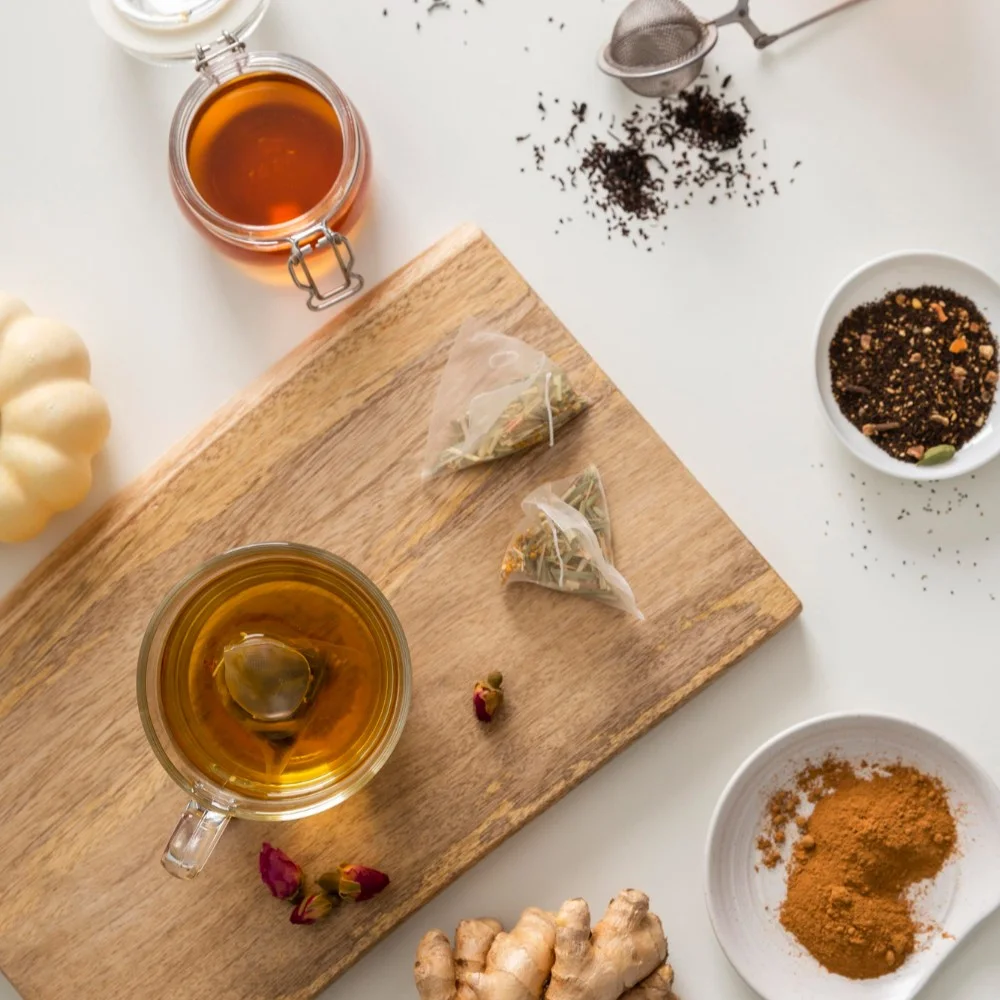
Proper preparation ensures that you actually extract the medicinal compounds without burning them. The FDA provides guidance on safe preparation of herbal infusions.
How to Make Oregano Tea at Home
- Boil Water: Bring 1 cup of filtered water to a boil.
- Cool Slightly: Let the water sit for 1 minute (you want it around 90°C/195°F).
- Add Dried Herb: Use 1 to 1.5 teaspoons of high-quality dried oregano.
- Cover and Steep: This is the most important step. Cover the cup with a lid or saucer to keep the steam (which contains the essential oils) inside. Steep for 5–8 minutes.
- Strain and Sip: Add a slice of lemon or a teaspoon of raw honey if desired.
For balanced meal inspiration during non-tea times, explore our chicken and broccoli recipe.
How to Make Oregano Tea From Fresh Leaves
If you have access to a garden, making oregano tea from fresh leaves provides a much brighter, more aromatic experience.
- Harvest: Take two or three sprigs of fresh oregano (about 1 tablespoon of leaves).
- Crush: Gently bruise the leaves with your fingers or a spoon to release the oils.
- Steep: Use the same method as above, but let it steep for a full 10 minutes, as fresh leaves take longer to release their properties than dried ones.
Pair with our homemade marinara sauce for a creative sweet-savory flavor pairing.
Oregano Tea vs. Other Respiratory Teas
To truly understand the health benefits of drinking oregano tea, it helps to see how it stacks up against other popular “lung teas.”
The MDPI Molecules provides research on comparative phytochemical profiles of medicinal herbs.
| Tea Type | Primary Strength | Best For |
|---|---|---|
| Oregano Tea | Antimicrobial / Antispasmodic | Productive cough & gut health |
| Mullein Tea | Demulcent (Coating) | Dry, hacking cough & lung detox |
| Peppermint Tea | Menthol / Cooling | Sinus pressure & headache |
| Thyme Tea | Strong Expectorant | Deep chest congestion |
Pro Tip: For a “Master Respiratory Brew,” many herbalists recommend a 50/50 blend of oregano and mullein. The oregano fights the pathogen, while the mullein soothes the irritated tissue.
The 2026 Verdict: Is It Safe Long-Term?
As we look at the data available in 2026, the consensus on whether it is good to drink oregano tea every day has shifted toward a “cyclical” approach. The World Health Organization encourages evidence-based complementary approaches to wellness.
The human body is highly adaptive. If you consume a potent antimicrobial like oregano every single day for months, you risk two things:
- Microbiome Alteration: Even though it is “natural,” the phenols in oregano can eventually shift the balance of your gut bacteria.
- Reduced Efficacy: Your body (and the pathogens it carries) can become “used” to the compounds, making the tea less effective when you actually get sick.
The Expert Recommendation: Use oregano tea for 5–10 days when symptomatic. For general prevention, drink one cup every 3 days. This “pulse” method ensures you get the antioxidant benefits without over-taxing your system.
Frequently Asked Questions
As we move deeper into the 2020s, the “Information Age” of herbalism has led to very specific queries. Here are the evidence-based answers to the most common questions regarding the benefits of drinking oregano tea.
Is Oregano Tea Better Than Oil of Oregano?
“Better” is a matter of intent. For daily support, respiratory soothing, and digestive health, oregano tea is superior. It provides a hydrated delivery system that flushes the throat and gut without the risk of mucosal burns associated with the oil.
However, for acute, localized infections, a practitioner might suggest the oil. For the average person looking for what oregano tea does, the tea is the safer, more manageable option. The Mayo Clinic provides detailed information on herbal supplement safety.
Can Oregano Tea Replace Medication?
No. While the health benefits of oregano tea are significant, it should be viewed as a “complementary” therapy. It is excellent for managing symptoms of a cold or supporting gut health, but it cannot replace antibiotics for a bacterial infection or inhalers for chronic asthma.
Always use it to support your body’s natural processes alongside professional medical advice. The FDA provides resources on herbal supplement safety and appropriate use.
Does Oregano Tea Expire or Lose Potency?
Yes. If you are using dried leaves, they lose their volatile oil content (carvacrol) after about 12 months. If your oregano no longer has a sharp, pungent aroma, it will not provide the benefits for lungs or immune support you are looking for.
Fresh leaves are always best, but high-quality, vacuum-sealed dried oregano is a close second. The Academy of Nutrition and Dietetics provides guidance on proper storage of herbal products.
Can I drink oregano tea while taking medications?
Oregano may interact with blood thinners, diabetes medications, and lithium. If you take prescription medications, consult your physician before regularly consuming therapeutic amounts of oregano tea.
WebMD provides comprehensive information on herb-drug interactions and safety considerations.
How long can I store homemade oregano tea?
Freshly brewed oregano tea maintains optimal potency for 24-48 hours when refrigerated in an airtight container. For longer storage, freeze individual portions in ice cube trays for up to 3 months.
The FoodSafety.gov emphasizes that proper storage prevents microbial growth in herbal preparations.
Conclusion
When we ask, “What are the benefits of oregano tea?”, we find an answer that bridges the gap between ancient wisdom and modern biochemistry. This simple kitchen staple is, in fact, a complex pharmacy in a leaf.
From the significant benefits for lungs and respiratory health to its role in supporting a healthy stomach and digestive system, oregano tea remains one of the most accessible and effective home remedies available today. The Harvard T.H. Chan School of Public Health emphasizes that plant-based remedies can complement conventional health approaches.
However, its power requires a responsible hand. By respecting the side effects and precautions, avoiding use during pregnancy, and understanding the difference between a gentle tea and a caustic oil, you can harness this herb to significantly improve your quality of life.
Whether you are brewing it from fresh leaves in your garden or a high-quality dried stash in your pantry, oregano tea is more than just a drink—it is a testament to the enduring power of nature’s medicine. Drink it with intention, respect its potency, and enjoy the clarity of breath and ease of digestion that only “liquid gold” can provide.
For more balanced meal inspiration during non-tea times, explore our chicken and broccoli recipe to complement your herbal wellness routine with nutrient-dense whole foods.
Authoritative References
- National Center for Biotechnology Information. (2026). Antimicrobial and antioxidant properties of oregano. https://www.ncbi.nlm.nih.gov/
- Mayo Clinic. (2026). Oregano: Uses, side effects, precautions. https://www.mayoclinic.org/drugs-supplements/
- Harvard T.H. Chan School of Public Health. (2026). The Nutrition Source. https://www.hsph.harvard.edu/nutritionsource/
- Academy of Nutrition and Dietetics. (2026). Herbal supplements and safety. https://www.eatright.org/
- American Heart Association. (2026). Healthy eating recommendations. https://www.heart.org/
- FDA. (2026). Food labeling and dietary supplements. https://www.fda.gov/food/food-labeling-nutrition
- CDC. (2026). Food safety guidelines. https://www.cdc.gov/food-safety/
- Cleveland Clinic. (2026). Health essentials and patient guidance. https://my.clevelandclinic.org/health
- Johns Hopkins Medicine. (2026). Respiratory health and wellness. https://www.hopkinsmedicine.org/health
- World Health Organization. (2026). Healthy diet fact sheet. https://www.who.int/health-topics/healthy-diet

