



For decades, orange juice has been the undisputed king of the breakfast table. It is the quintessential symbol of a “healthy start,” pictured alongside sun-drenched kitchens and vibrant vitality. However, in recent years, the conversation has shifted.
With the rise of low-sugar diets and a deeper understanding of glycemic loads, many health-conscious consumers are left wondering: Is orange juice healthy, or is it simply “soda in disguise”?
The answer to whether orange juice is good for you is not a simple yes or no. It is a nuanced intersection of nutrient density and sugar concentration. While orange juice is packed with essential vitamins and powerful antioxidants that support the immune system and skin,
It also lacks the fiber of a whole orange and can cause rapid spikes in blood sugar. Heart health and juice consumption.
In this guide, we will dive deep into the evidence-based reality of this citrus staple. We will explore why orange juice is good for you in specific scenarios—like when you’re battling a cold or navigating pregnancy—while also addressing the very real orange juice pros and cons.
Whether you are looking to optimize your morning routine or simply want to know if orange juice is bad for you in the context of your specific health goals, this comprehensive pillar has the answers. NIH vitamin C research.
What’s in Orange Juice? Nutrition Breakdown
To understand how orange juice is good for you, we must first look at its chemical composition. One cup (8 ounces) of 100% orange juice provides a concentrated burst of micronutrients that few other beverages can match.
Vitamin C, Folate, and Potassium
The most famous component of orange juice is Vitamin C (ascorbic acid). A single serving often provides over 100% of the Daily Value (DV). Vitamin C is crucial for tissue repair, enzyme production, and immune function.
Furthermore, orange juice is an excellent source of Folate (Vitamin B9), which is essential for DNA synthesis and cell growth, and Potassium, a mineral that helps regulate blood pressure and muscle contractions. American Heart Association nutrition.
Antioxidants and Flavonoids
Beyond vitamins, orange juice contains bioactive compounds like hesperidin and naringenin. These flavonoids have been studied for their ability to reduce inflammation and improve blood vessel function.
When people ask what organ orange juice is good for, the heart is often at the top of the list due to these heart-protective antioxidants. Antioxidant-rich foods guide.
Juice vs. Whole Oranges
The primary difference lies in the matrix. A whole orange contains approximately 3–4 grams of fiber, which slows the absorption of sugar. When juiced, that fiber is largely removed. This means the sugar in juice (fructose) hits your bloodstream much faster.
While the nutrients remain largely the same, the metabolic impact is significantly different. Harvard Health fiber guidance.
Health Benefits of Orange Juice (General)

There are several reasons why orange juice is good for you as a regular (but moderate) part of your diet. Its benefits extend across multiple bodily systems. Juice health comparisons.
Immune System Support
The high concentration of Vitamin C and other antioxidants helps stimulate the production of white blood cells. This doesn’t just help you “not get sick”; it helps the body maintain a baseline of defense against oxidative stress—damage caused by free radicals in the environment. CDC fruits and vegetables for health.
Skin and Collagen Health
Is orange juice good for your skin? Absolutely. Vitamin C is a mandatory cofactor for the synthesis of collagen, the protein responsible for skin elasticity and wound healing. Regular intake of Vitamin C-rich foods can help combat skin aging caused by UV exposure and pollution. NCCIH wellness resources.
Digestion and Gut Support
While it lacks fiber, some ask, is orange juice good for your stomach? The answer depends on the individual. For those with low stomach acid, the citric acid in orange juice can aid in the breakdown of food. Additionally, orange juice benefits for females often include better iron absorption.
Drinking a glass of OJ with a plant-based meal can significantly increase how much iron your body absorbs from foods like spinach or beans. Digestive health and juices.
Heart and Kidney Considerations
Regular consumption of 100% orange juice has been linked to lower levels of “bad” LDL cholesterol and reduced systemic inflammation. Furthermore, some studies suggest that the citrate in orange juice may help prevent the formation of certain types of kidney stones by making the urine less acidic. FDA food safety guidelines.
Is Orange Juice Good for You When You’re Sick or Have a Cold?
This is perhaps the most common reason people reach for a carton. Is orange juice good for you when you’re sick, or is it an old wives’ tale? EPA pesticide safety information.
Vitamin C and Immune Response
While Vitamin C won’t necessarily prevent you from catching a cold, research indicates it may reduce the duration and severity of symptoms. When you have an active infection, your body’s “oxidative burst”—the way immune cells kill pathogens—depletes your Vitamin C stores rapidly.
Replenishing them with orange juice can support this biological process. Beverage comparisons for health.
When It Helps vs. When It Irritates
There is a catch. Why is orange juice good for you when sick primarily comes down to hydration and nutrients. However, if you have a sore throat, the high acidity of the juice can cause significant irritation. Similarly, if you have a fever and an upset stomach,
The high sugar content might lead to further GI distress or diarrhea. Understanding organic certification.
Best Way to Drink It While Sick
To maximize the benefits of orange juice for you when you have a cold, follow these rules: Dilute it: Mix 50% orange juice with 50% water to reduce acidity and sugar concentration while staying hydrated.
Avoid added sugars: Ensure it is “100% Juice” to avoid taxing your body with refined sugars while it’s trying to heal.
Temperature matters: If your throat is sore, try it at room temperature rather than ice-cold to minimize the “sting.” WHO’s healthy diet guidelines.
Is Orange Juice Good for You During Pregnancy?
When navigating the dietary requirements of prenatal care, many expectant mothers ask: Is orange juice good for you while pregnant? The answer is generally a resounding yes, provided it is consumed with a few safety precautions in mind.
Folate Benefits
The most significant reason orange juice is good for you when pregnant is its folate content. Folate (Vitamin B9) is critical during the first trimester for the development of the neural tube, which eventually becomes the baby’s brain and spinal cord.
While prenatal vitamins are the primary source, a glass of orange juice provides a natural, highly bioavailable boost to these levels. FAO dietary guidelines.
Safe Daily Amounts
While the nutrients are beneficial, the high sugar content can contribute to gestational diabetes or excessive weight gain if overconsumed. Most doctors recommend limiting intake to 4–6 ounces per day. Furthermore, is orange juice good for you during pregnancy, only if it is pasteurized?
Unpasteurized or “fresh-squeezed” juice from roadside stands can harbor bacteria like Salmonella or E. coli, which pose a severe risk to both the mother and the developing fetus. EFSA healthy diets resources.
Different Types of Orange Juice: Which Is Best?
Walking down the juice aisle in 2026 can be overwhelming. Not all juices are created equal, and understanding the labels is the only way to know what orange juice is good for you.
Fresh vs. From Concentrate
Is orange juice from concentrate good for you? Many assume “concentrate” is less healthy, but the process simply involves removing water from the juice for transport and adding it back later. The vitamin content remains largely identical.
However, “Not From Concentrate” (NFC) juices often have a flavor profile closer to fresh fruit because they undergo less heat processing.
The Role of Pulp
Is pulp in orange juice good for you? Yes. While the pulp in juice doesn’t provide nearly as much fiber as a whole orange, it does contain more flavonoids and a small amount of extra fiber compared to “no pulp” versions. If you can tolerate the texture, always choose the high-pulp option.
Fortified Juices
Is orange juice with calcium good for you? For those who are lactose intolerant or vegan, calcium- and Vitamin D-fortified orange juice is an excellent way to support bone health. Research shows that the body absorbs the calcium in fortified juice nearly as effectively as it does from milk. Cleveland Clinic digestive health.
| Feature | Fresh Squeezed | Not From Concentrate (NFC) | From Concentrate |
|---|---|---|---|
| Vitamin C | Highest | High | High |
| Fiber/Pulp | Variable | Moderate | Low |
| Additives | None | Flavor Packs | Usually None |
| Shelf Life | 1–3 Days | 30–60 Days | 60+ Days |
Orange Juice vs. Other Juices (Comparison Section)
When standing in the grocery aisle, many wonder: Is it better to drink apple juice or orange juice? To determine which juice is the healthiest, we have to look at nutrient density versus caloric load. Good Network smoothie tips.
The Apple Juice Comparison
Is apple juice good for you? While apple juice is a childhood staple, it typically contains less Vitamin C and fewer diverse antioxidants than orange juice. Apple juice is often higher in fructose and lower in metabolic-supporting minerals like potassium. In a head-to-head battle, orange juice generally wins on a nutrient-per-calorie basis.
Vitamin Density vs. Sugar
While vegetable juices (like kale or spinach blends) are often the “healthiest” due to their low sugar content, among fruit juices, orange juice is the gold standard for Vitamin C.
Cranberry juice is superior for urinary tract health, and tart cherry juice is better for muscle recovery, but for overall immune and skin support, orange juice remains the top choice.
Weight Loss, Teeth, Kidneys & Other Concerns
Despite its benefits, there are several “red flags” users should be aware of regarding orange juice pros and cons.
Is Orange Juice Good for Weight Loss?
The reality of orange juice being good for weight loss is complicated. Because it is a liquid calorie source, it does not provide the “satiety” (fullness) that a whole orange does. Drinking 200 calories of juice is much easier than eating 200 calories of whole oranges (which would be about four fruits).
If you are trying to lose weight, it is better to eat the fruit or limit juice to 4 ounces.
Is Orange Juice Good for Your Teeth?
This is a significant “con.” Is orange juice good for your teeth? Unfortunately, no. Orange juice has a low pH (high acidity) and high sugar content. This combination can soften tooth enamel, making it susceptible to erosion and cavities.
Pro Tip: Never brush your teeth immediately after drinking OJ. The enamel is temporarily softened by the acid, and brushing can actually scrub the enamel away. Wait at least 30 minutes. Nature Reviews Microbiome.
Is Orange Juice Good for Your Kidneys?
Is orange juice good for your kidneys? For most people, yes. It is rich in potassium and citrates, which can help prevent the formation of calcium oxalate kidney stones. However, if you have chronic kidney disease (CKD), the high potassium levels can be dangerous, as the kidneys may struggle to filter the excess.
Is Orange Juice Bad for You? When to Limit or Avoid It
There are specific medical conditions where the answer to ” Is orange juice bad for you is a definitive yes
Diabetes and Blood Sugar Spikes
For those with Type 1 or Type 2 diabetes, the rapid absorption of liquid fructose can cause dangerous blood sugar spikes. While orange juice can be used to treat a “hypo” (low blood sugar) episode quickly, it should not be a staple beverage for diabetics without medical consultation.
Acid Reflux & GI Sensitivity
If you suffer from GERD (Gastroesophageal Reflux Disease) or stomach ulcers, the citric acid in orange juice is a primary trigger. It can irritate the esophageal lining and cause significant “heartburn” or gastric distress. NIH vitamin E factsheet.
The Carrot and Orange Synergy
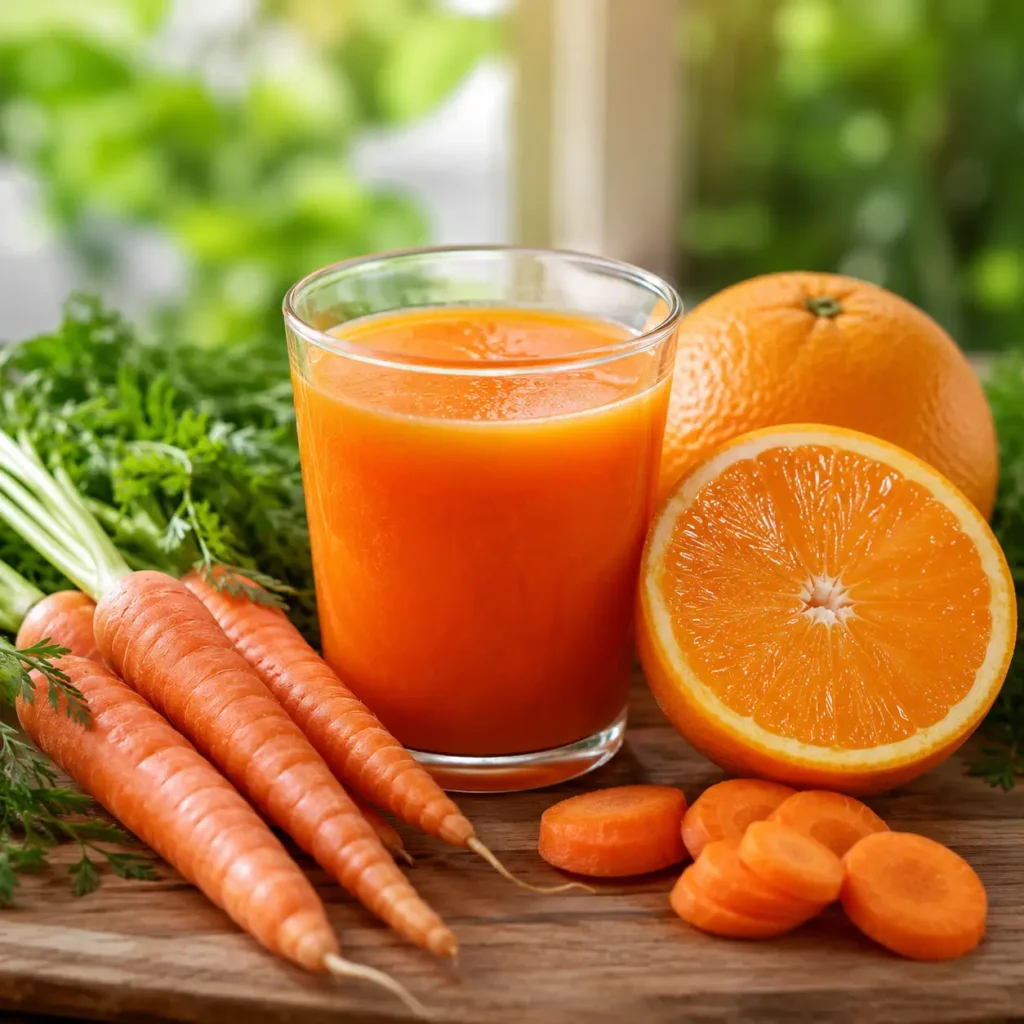
One of the best ways to drink orange juice is by blending it with other nutrients. Is carrot and orange juice good for you? This is one of the most powerful nutrient combinations available. American Heart Association fiber research.
Nutrient Synergy: The Vitamin C in the orange juice actually helps your body absorb the beta-carotene from the carrots more effectively. The Ratio: A 1:1 ratio provides a massive hit of Vitamin A and C, which is the ultimate “beauty blend” for skin glow and eye health.
Frequently Asked Questions
Is orange juice good for you?
Yes, in moderation. It is an excellent source of Vitamin C, folate, and potassium. However, because it lacks fiber and is high in sugar, it should be limited to 4–8 ounces per day. USDA dietary guidelines.
Is orange juice healthy to drink every day?
It can be part of a healthy diet if you choose 100% juice with no added sugar. To minimize blood sugar spikes, pair your daily glass with a protein-rich breakfast.
Is orange juice good for your skin?
Yes. The Vitamin C in orange juice is essential for collagen production, which keeps skin firm and helps repair damage from the sun and pollution. Integrative health vitamin C guide.
Is orange juice better than apple juice?
From a vitamin perspective, yes. Orange juice typically contains significantly more Vitamin C and potassium than apple juice, though it is slightly higher in calories. Skincare ingredient database.
Is orange juice good for you when you’re sick?
It provides hydration and replenishes Vitamin C, which can shorten the duration of a cold. However, avoid it if you have a very sore throat, as the acidity may cause irritation. Ayurvedic wellness resources.
Conclusion
So, is orange juice good for you? The final verdict is that orange juice is a “nutrient-dense luxury.” It provides a vital array of vitamins and antioxidants that can support your heart, skin, and immune system. However, it is not a direct replacement for water or whole fruit.
To maximize benefits, choose 100% orange juice, limit portions to 4–6 ounces, and pair it with protein or fiber-rich foods. Whether you enjoy it fresh-squeezed or from concentrate, this citrus beverage can be a valuable part of a balanced, health-conscious diet when consumed mindfully.
Authoritative References
- Harvard T.H. Chan School of Public Health. (2026). Vegetables and fruits. https://www.hsph.harvard.edu/nutritionsource/what-should-you-eat/vegetables-and-fruits/
- WebMD. (2026). The benefits of vitamin C. https://www.webmd.com/diet/features/the-benefits-of-vitamin-c
- European Food Safety Authority. (2026). Healthy diet resources. https://www.efsa.europa.eu/en/topics/topic/healthy-diets
- Food and Agriculture Organization of the United Nations. (2026). Food-based dietary guidelines. https://www.fao.org/nutrition/education/food-dietary-guidelines/home/en/
- National Library of Medicine. (2026). Antioxidants in health and disease. https://pmc.ncbi.nlm.nih.gov/
- Harvard Health Publishing. (2026). Truth about antioxidants. https://www.health.harvard.edu/healthbeat
- Centers for Disease Control and Prevention. (2026). Fruits and vegetables for a healthy weight. https://www.cdc.gov/nutrition/fruits-vegetables/index.html
- Ayurveda.com. (2026). Amla Indian gooseberry guide. https://www.ayurveda.com/articles/amla-indian-gooseberry
- World Health Organization. (2026). Healthy diet fact sheet. https://www.who.int/health-topics/healthy-diet
- Eating a balanced diet. https://www.nhs.uk/live-well/eat-well/how-to-eat-a-balanced-diet/eating-a-balanced-diet/

