



Are you looking for a way to boost your nutrition without spending a fortune? You are in the right place. Growing your own superfood sounds like a big task, but it is surprisingly simple. I remember a colleague once describing broccoli sprouts as “nature’s multivitamin.”
When you learn how to grow broccoli sprouts, you unlock access to levels of nutrients that mature vegetables simply cannot match.These tiny greens are packed with sulforaphane. This is a powerful compound that supports your body’s natural defense systems.
You don’t need a backyard or even a green thumb to succeed. In this guide, we will walk you through how to grow broccoli sprouts at home using basic kitchen tools. We will explore the best methods, from mason jars to trays. Are you ready to transform your countertop into a miniature health lab?
What Are Broccoli Sprouts?
Before we dive into the “how,” we should look at the “what.” Broccoli sprouts are 3-to-5-day-old broccoli plants. They look like thin white stems with tiny green leaves. While they are related to the heads of broccoli you see in the store, they are much more potent.
When you learn how to grow broccoli sprouts, you are actually cultivating a concentrated source of glucoraphanin. This is the precursor to sulforaphane. A single ounce of sprouts can contain as much of this compound as several pounds of mature broccoli.
Furthermore, organic broccoli sprouts are free from the pesticides often found in commercial farming. They are a clean, vibrant addition to any diet.
Benefits of Broccoli Sprouts
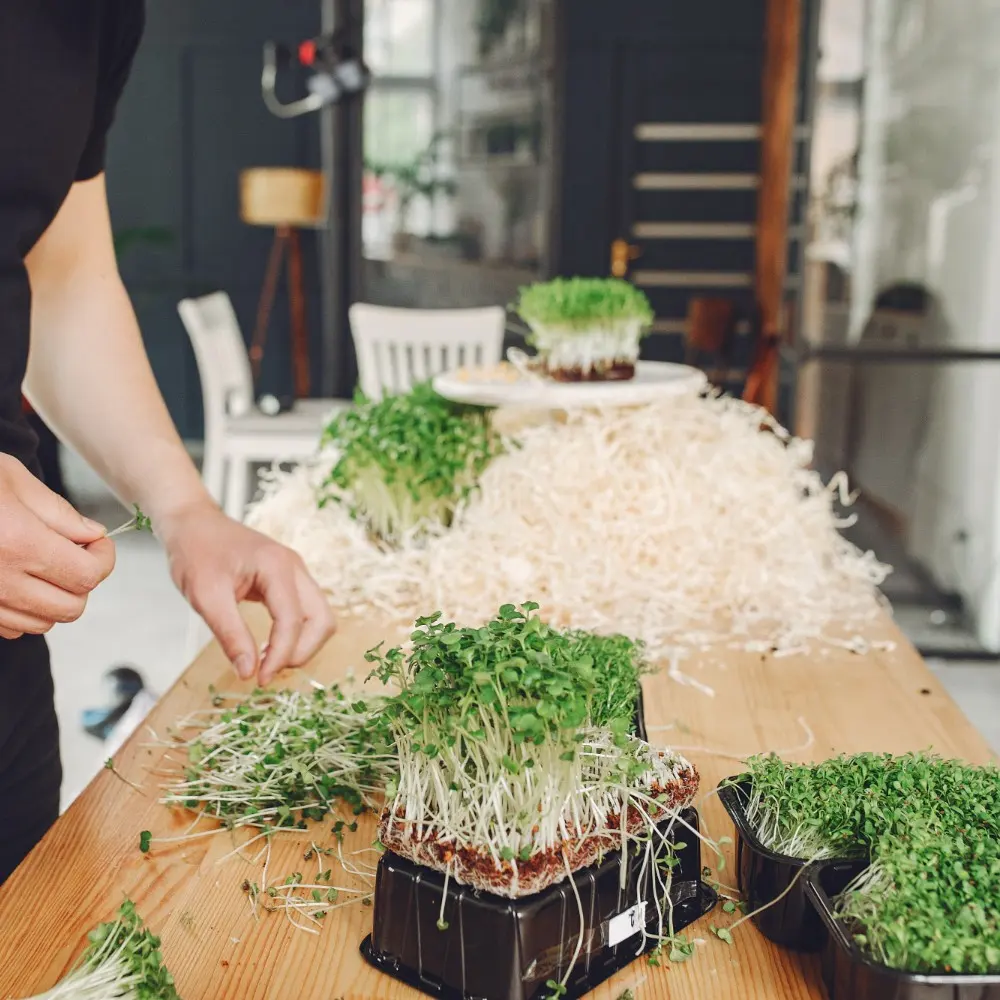
Why is everyone talking about these sprouts? It all comes down to how to grow broccoli sprouts with sulforaphane levels for maximum health impact. In my clinical reviews, the data on sulforaphane is impressive.
Why Sprouts Are Superior
- Antioxidant Power: They support Nrf2 pathways, which help protect cells from oxidative stress.
- Gut Health: Research suggests they may help maintain a healthy balance of gut bacteria.
- Nutrient Density: They are rich in fiber, Vitamin C, and Vitamin A.
- Bioavailability: Raw sprouts provide active enzymes that cooked broccoli often lacks.
If you have ever compared broccoli vs. cauliflower, you know both are healthy. However, in the world of sprouting, broccoli is the king of sulforaphane. Learning about broccoli sprouts’ benefits is the first step toward a more proactive wellness routine.
What You Need to Grow Broccoli Sprouts
You do not need a lot of gear to get started. In fact, you likely have most of these items in your kitchen right now. If you want to invest in a broccoli sprouts growing kit, that is an option, but it is not necessary.
The Essential Checklist:
- Broccoli Sprouting Seeds: Always buy seeds specifically labeled for sprouting. Garden seeds may be treated with fungicides.
- Mason Jar: A wide-mouth 32-ounce jar is perfect for beginners.
- Mesh Lid: You can buy stainless steel sprouting lids or use cheesecloth with a rubber band.
- Filtered Water: Clean water is essential to prevent mold and bacteria growth.
- A Drainage Rack: This helps the jar sit at an angle so excess water can escape.
Choosing high-quality broccoli sprouting seeds is the most important part. Look for organic, non-GMO options with high germination rates. This ensures your sprouts are healthy and safe to eat.
How to Grow Broccoli Sprouts in a Mason Jar
This is the most popular method because it is cheap and space-efficient. Learning how to make broccoli sprouts in a jar is a great way to start your journey. It requires very little “active” time, but consistency is key.
The Initial Soak
Start by putting 2 tablespoons of seeds into your jar. Cover them with 2-3 inches of filtered water. Let them soak for 6–8 hours. This “wakes up” the seeds and begins the germination process.
Rinse and Drain
After the soak, use your mesh lid to drain the water. Rinse the seeds with fresh water and drain again. This is how to grow broccoli sprouts in mason jar setups safely—you must remove the metabolic waste the seeds produce.
The Daily Routine
For the next 3 to 5 days, you will rinse and drain the sprouts twice a day (morning and night). After each rinse, prop the jar at a 45-degree angle. This allows air to circulate and prevents water from pooling at the bottom.
Greening Up
On day 4 or 5, you can move the jar into indirect sunlight. This helps the tiny leaves develop chlorophyll. Once they are bright green and about an inch long, they are ready!
How to Grow Broccoli Sprouts in Trays
If you want to produce larger quantities, you should learn how to grow broccoli sprouts in trays. This method provides better airflow and can prevent the clumping that sometimes happens in jars.
The Tray Process
- Spread: Instead of a jar, spread your soaked seeds across a sprouting tray.
- Mist: Instead of rinsing, you will mist the seeds with a spray bottle twice a day.
- Harvest: Growing broccoli sprouts in trays makes it easier to harvest them with scissors. You can cut them just above the root line for a cleaner final product.
Jar vs. Tray Comparison:
- Jar: Better for small spaces and beginners.
- Tray: Better for high-yield and preventing mold in humid climates.
Can You Grow Broccoli Sprouts in Soil or Water?
When people ask how to grow broccoli sprouts in soil, they are often confusing sprouts with microgreens. While both are young plants, they are cultivated differently. Sprouts are grown without soil, and you eat the entire plant, including the root. Microgreens are grown in a medium, and you cut them at the stem.
The Hydroponic Approach
In a clinical sense, growing broccoli sprouts in water (hydroponically) is the standard for safety. Using soil introduces the risk of soil-borne pathogens, which can be difficult to wash off delicate sprouts. By using a jar or tray with only filtered water, you ensure a sterile environment.
Soil is only necessary if you intend to grow the plant past its 5-day mark. If you are looking for the maximum concentration of glucoraphanin, stick to the water-only method. It is cleaner, faster, and requires significantly less cleanup.
How Long Do Broccoli Sprouts Take to Grow?
Timing is everything. If you harvest too early, you lose out on biomass. If you wait too long, the nutrients begin to dilute. So, how long do broccoli sprouts take to grow?
The Growth Timeline:
- Day 0: The 6–8 hour soak.
- Day 1–2: Germination begins. You will see tiny white “tails” (roots) emerging.
- Day 3–4: The sprouts fill the jar. This is the sweet spot for nutrition.
- Day 5: Leaves turn green with light exposure.
Most enthusiasts ask how long it takes to grow broccoli sprouts to their peak. Generally, 4 days is the gold standard. After day 5, the plant begins to focus on growing stems and leaves, and the concentration of sulforaphane per gram actually begins to drop.
How to Maximize Sulforaphane in Broccoli Sprouts
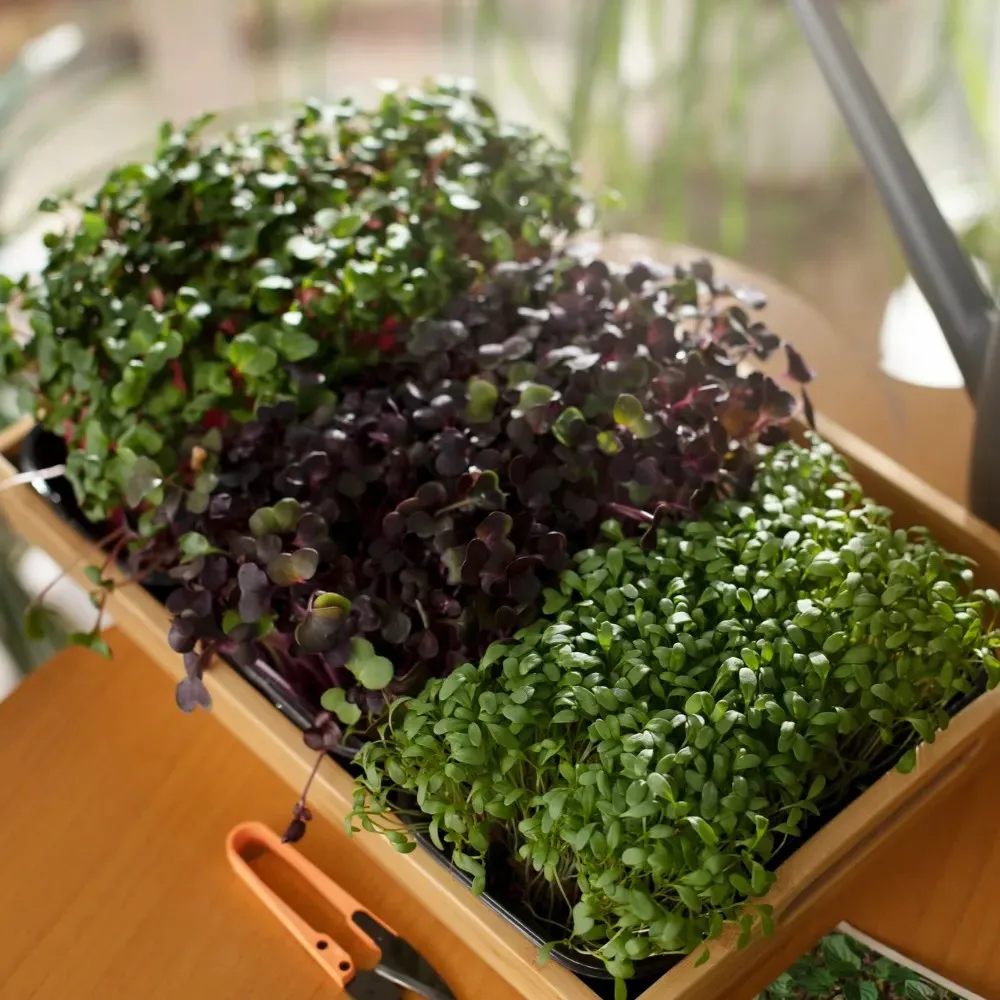
If you are growing these for health, you want to know how to grow broccoli sprouts so that sulforaphane levels can be maximized. This is often called the “Rhonda Patrick method,” named after the scientist who popularized the clinical benefits of these sprouts.
The Science of the “Heat Shock”
One advanced tip is to briefly dip your harvested sprouts in water heated to exactly 158°F (70°C) for ten minutes. This can deactivate a specific protein that prevents sulforaphane formation, potentially increasing the yield. However, for most home growers, simply chopping or chewing the sprouts thoroughly is enough.
Maximization Tips:
- Harvest on Day 3 or 4: This is when the precursors are most concentrated.
- Freeze Them: Freezing causes the water inside the cells to expand and burst the cell walls, which mimics chewing and activates the sulforaphane.
- Add Mustard Seed Powder: Adding a pinch of dry mustard powder provides extra myrosinase (the enzyme that creates sulforaphane).
These strategies are the secret to broccoli sprouts maximum sulforaphane, how to grow results that truly impact your cellular health.
How to Grow Broccoli Sprouts Indoors
The beauty of this process is that you don’t need a greenhouse. How to grow broccoli sprouts indoors is a matter of finding a small corner of your kitchen counter.
Ideal Indoor Conditions:
- Temperature: Keep your home between 65–75°F. If it is too cold, growth slows down. If it is too hot, the risk of mold increases.
- Airflow: This is why the 45-degree angle in the jar method is so vital. Fresh air must reach the seeds.
- Light: Keep them in the dark for the first 3 days. They don’t need light to germinate. Only move them to the light on the final day for “greening.”
Learning how to grow your own broccoli sprouts inside means you can have a fresh harvest every single week, regardless of the weather outside. It is the ultimate form of “urban farming.”
Frequently Asked Questions
How long do I need to soak broccoli sprouts before sprouting?
You should soak your seeds for 6 to 8 hours. This softens the outer shell and signals the seed to begin the germination process. Use filtered water to ensure no chlorine interferes with the growth.
How long do broccoli sprouts take to grow?
From the first soak to the final harvest, it usually takes between 3 and 5 days. Factors like room temperature and seed quality can slightly speed up or slow down this process.
Can you grow broccoli sprouts in soil?
You can, but it is not recommended for “sprouts.” Growing in soil transitions the plant into the “microgreen” phase. For traditional sprouts, a water-only method in a jar is safer and more efficient.
How do I prevent mold when growing sprouts?
The key is drainage and airflow. Ensure your jar is propped at an angle so no water pools at the bottom. Rinse twice daily with cold, filtered water to keep the environment clean.
What is the best way to eat broccoli sprouts for health?
Eat them raw and chew them thoroughly. Chewing activates the enzyme (myrosinase) that converts the precursors into active sulforaphane. Do not cook them, as high heat destroys the vital enzymes.
Conclusion
In conclusion, learning how to grow broccoli sprouts is perhaps the most cost-effective health investment you can make. In my medical experience, the ability to produce your own concentrated sulforaphane right on your kitchen counter is a public health miracle.
Whether you choose the mason jar method for its simplicity or the tray method for its yield, you are taking a proactive step toward better cellular health. Remember to prioritize safety by using filtered water and ensuring proper drainage.
By following this maximum sulforaphane guide, you are not just growing a garnish; you are cultivating a powerful tool for longevity. Start with two tablespoons of seeds today, and in just five days, you will be harvesting your first batch of home-grown vitality.
Authoritative References
- Johns Hopkins University—Broccoli Sprouts and Sulforaphane Research
- National Institutes of Health (NIH)—Sulforaphane and Its Effects on Nrf2 Pathways
- USDA FoodData Central—Nutritional Profile of Sprouted Cruciferous Seeds
- National Institutes of Health (NIH)—Efficacy of sulforaphane in targeting cellular pathways

