



Have you ever scrolled through social media and seen a viral post claiming that broccoli has more protein than steak? As a clinician focused on wellness and mental health, I see these nutritional myths pop up constantly in my practice.
Patients often ask me, does broccoli have protein, hoping it might be a secret shortcut to building muscle or losing weight. The answer is a bit more nuanced than a simple yes or no.
While broccoli is an absolute nutritional powerhouse, understanding its protein content is key to a balanced diet. In this article, we will dive into how much protein broccoli has and bust the myths surrounding its comparison to meat.
Does Broccoli Have Protein?
Yes, broccoli does have protein in it. Every living plant cell requires protein for structure and enzymatic functions. Consequently, whether broccoli has protein in it is a common question with a positive answer for plant-based eaters.
However, we must clarify that it is a moderate source, not a high source. If you are wondering if cooked broccoli has protein, the answer is yes. The protein isn’t destroyed by heat. In fact, you get more per cup because the vegetable is denser.
In my clinical experience, I recently spoke with a patient transitioning to a vegan diet. He was convinced he could hit his 100g protein goal by eating mostly greens. We had to look at the math together to ensure he wasn’t sacrificing his muscle health for a myth.
How Much Protein Does Broccoli Have?
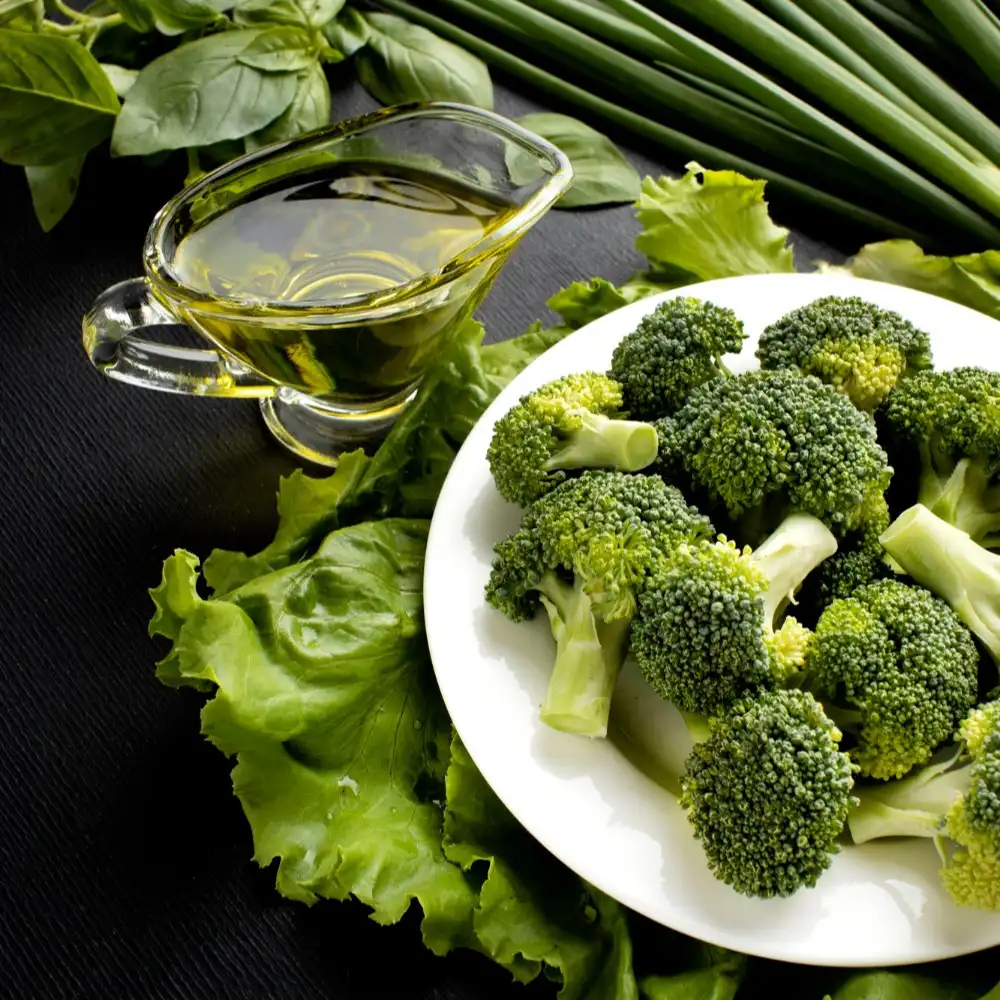
To plan your meals effectively, you need to know how much protein 1 cup of broccoli has. The numbers shift depending on whether the vegetable is raw, chopped, or cooked.
When we look at how many grams of protein broccoli has, we see it packs a punch for its weight. For every 100 grams of raw broccoli, you get roughly 2.8 grams of protein. While that sounds small, remember that broccoli is over 90% water.
Broccoli Protein Data Table
| Serving Size | Protein (Grams) | Calories (Approx.) |
| 1 Cup Raw (91g) | ~2.5 g | 31 kcal |
| 1 Cup Cooked | ~4.5 g | 54 kcal |
| 100g Raw Broccoli | ~2.8 g | 34 kcal |
| 1 Ounce (28g) | ~0.8 g | 9 kcal |
As shown, how much protein a cup of broccoli has doubles when cooked. This is because cooking removes air and water. This allows you to fit more actual vegetables into the measuring cup.
Does Broccoli Have More Protein Than Steak or Chicken?
This is the “big myth” of the nutrition world. You may have seen headlines asking: Does broccoli have more protein than steak? The short answer is a definitive no.
Animal proteins are much more concentrated. If you look at protein in broccoli vs steak by weight, the meat wins every time. A 100g piece of steak has about 25g of protein, while 100g of broccoli has only 2.8g.
The “Protein Per Calorie” Misconception
The myth started because, if you eat 100 calories of broccoli and 100 calories of steak, the protein amounts are surprisingly similar. However, to get those 100 calories of broccoli, you would have to eat a massive amount—nearly 3 full cups!
| Food (100g) | Protein Content |
| Beef Steak | ~25–28 g |
| Chicken Breast | ~31 g |
| Hard Boiled Egg | ~13 g |
| Broccoli | ~2.8 g |
So, does broccoli have more protein than chicken? Not even close. You would likely experience significant digestive distress before you could eat enough broccoli to match a small chicken breast.
Why Does Broccoli Have Protein?
It might seem strange that a green vegetable contains the same building blocks as meat. Why does broccoli have protein? It all comes down to the biology of the plant.
Plants use photosynthesis to create energy, but they also pull nitrogen from the soil. This nitrogen is used to build amino acids. These amino acids form the structural proteins and enzymes that the plant needs to grow and survive.
Broccoli is particularly “rich” for a vegetable because it belongs to the cruciferous family. These plants are metabolically active and require more protein-based enzymes. While it doesn’t have all the essential amino acids in high amounts, it contributes to your total daily nitrogen balance.
Is Broccoli a Good Source of Protein?
Whether broccoli is a good source of protein depends on your perspective. If you are looking for a primary source to build muscle, it is not sufficient. However, it is an “excellent” source if you consider its nutrient density.
Is broccoli high in protein for someone on a calorie-restricted diet? Yes. It allows you to consume vital amino acids while keeping your caloric intake very low. This makes it a perfect companion for weight loss.
The Benefits of Weight Loss
When I work with clients on weight management, I emphasize the “thermic effect of food.” Protein and fiber both require more energy to digest. Since broccoli has both, it helps keep you full and keeps your metabolism humming.
Does Broccoli Have Protein for Weight Loss?
If you are trying to lean out, does broccoli have protein for weight loss that actually matters? Yes, but mostly because of the “satiety factor.” The combination of water, fiber, and protein creates volume in your stomach.
This volume signals to your brain that you are full. By adding a cup of broccoli to a lean meal, you are adding 3–5 grams of “bonus” protein. This helps preserve lean muscle mass even when you are cutting calories.
I often recommend pairing broccoli with a high-protein source like salmon or tofu. This creates a “synergy” where you get the concentrated protein of the meat and the micronutrients of the veggie.
Broccoli vs. Cauliflower Protein
In the world of low-carb sides, the broccoli vs cauliflower nutrition battle is real. While both are healthy, broccoli is the clear winner for protein seekers.
- Broccoli: ~2,8 g Protein per 100 g.
- Cauliflower: ~1.9g protein per 100g.
While the difference seems small, it adds up if you eat these vegetables daily. Broccoli also contains more Vitamin C and Vitamin K, making it the “shining star” in a cheesy soup or stir-fry.
Does Broccoli Have Other Nutrients?
Protein is just one piece of the puzzle. To truly understand why this veggie is a “superfood,” we have to look at the whole package.
Nutrient Profile (1 Cup Raw)
| Nutrient | Amount |
| Fiber | ~2.4 g |
| Carbs | ~6 g |
| Iron | ~0.7 mg |
| Calcium | ~43 mg |
| Vitamin C | ~135% DV |
Does broccoli have iron? Yes, a small amount. Does broccoli have calcium? Absolutely. It is a one-stop shop for minerals that support bone health and oxygen transport in your blood.
Do Eggs Have More Protein Than Broccoli?
A common question for breakfast planning is: Do eggs have more protein than broccoli? The answer is yes. One large egg contains about 6 to 7 grams of high-quality, complete protein.
To get the same amount of protein as two eggs, you would need to eat nearly 3 cups of cooked broccoli. While you should eat both, you shouldn’t rely on broccoli to replace your morning eggs if protein is your goal.
How Much Protein Does Broccoli Cheddar Soup Have?
If you love a warm bowl of soup, you might wonder how much protein broccoli cheddar soup has. The answer varies wildly.
In most cases, the protein doesn’t actually come from the broccoli. It comes from the cheese and milk. A standard cup of store-bought broccoli cheddar soup usually contains between 6 and 12 grams of protein. If you make it at home with Greek yogurt or extra sharp cheddar, you can boost that number even higher.
How Much Protein Does Beef and Broccoli Have?
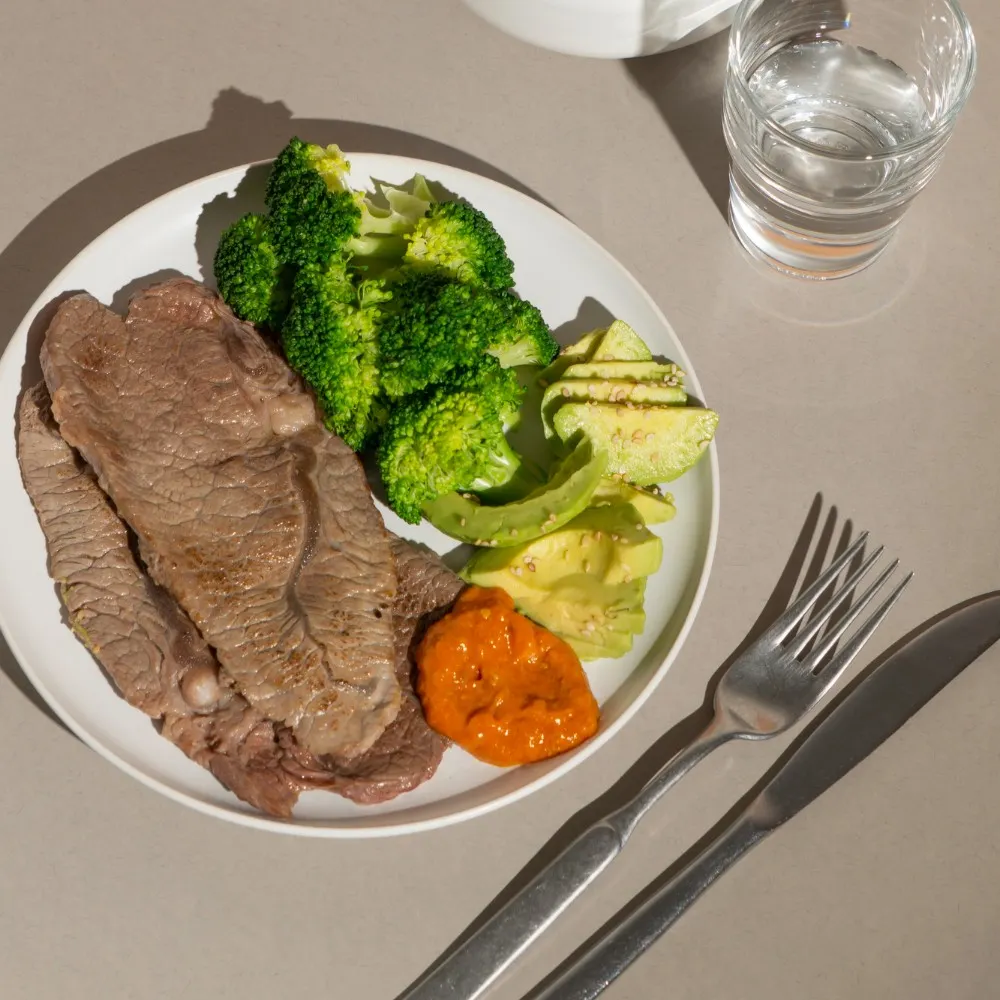
This classic takeout dish is actually a protein goldmine. When asking how much protein beef and broccoli have, the bulk of it comes from the sliced flank steak or sirloin.
A typical serving contains about 20 to 30 grams of protein. The broccoli acts as the perfect delivery system for the savory sauce while adding that “bonus” 2–3 grams of vegetable protein. It is a perfectly balanced fitness meal.
Does Broccoli Have Protein Powder?
You might be surprised to learn that whether broccoli has protein powder is a real thing. Broccoli protein isolate exists, though it is quite rare.
Most plant-based powders use pea, rice, or soy protein. Broccoli protein is usually sold as a “greens powder” supplement rather than a muscle-building shake. It is a great way to get extra phytonutrients, but it usually tastes very “earthy” compared to chocolate whey!
Why Does Our Body Need Protein?
At the end of the day, why does our body need protein anyway? As a clinical expert, I cannot emphasize enough that protein is not just for bodybuilders.
Your body uses amino acids from protein for:
- Muscle Repair: Fixing tiny tears from daily movement.
- Hormones: Creating insulin and growth hormones.
- Immune Function: Building antibodies to fight off viruses.
- Enzymes: Driving every chemical reaction in your body.
Without enough protein, you may feel fatigued, lose muscle mass, and experience “brain fog.” This is why even a small amount of broccoli counts toward your daily wellness.
How Are Proteins and Carbohydrates Alike and Different?
To understand nutrition, you must know how are protein and carbohydrates are alike and different. Both are macronutrients that provide 4 calories per gram, but their roles are opposites.
| Feature | Protein | Carbohydrates |
| Basic Unit | Amino Acids | Glucose/Sugars |
| Main Job | Structure & Repair | Immediate Energy |
| Storage | Not stored (must eat daily) | Stored as Glycogen |
Broccoli is unique because it contains a balanced mix of both. It provides the “clean energy” of complex carbs and the “building blocks” of amino acids.
Frequently Asked Questions
Does broccoli have protein?
Yes, it does. One cup of raw broccoli has about 2.5 grams of protein, while a cooked cup has closer to 5 grams.
Does broccoli have more protein than steak?
No. This is a common myth based on calories rather than weight. Gram-for-gram, steak has about 10 times more protein than broccoli.
Is broccoli high in protein?
Not in the traditional sense. It is considered “high protein” only in relation to its very low calorie count, making it great for weight loss.
Does cooked broccoli have protein?
Yes. Cooking does not remove the protein. In fact, because the vegetable shrinks, you get more protein in every spoonful.
Which vegetables are highest in protein?
Legumes (lentils, beans), edamame, and peas are the highest. Among “leafy” or “floret” vegetables, spinach and broccoli are top contenders.
Conclusion
So, does broccoli have protein? It certainly does, and it is a vital part of a health-conscious diet. While it won’t replace a steak in terms of raw protein power, its nutrient density is hard to beat. By including broccoli in your meals, you are getting fiber, vitamins, and a helpful boost of amino acids.
During a recent interview I conducted with a professional nutritionist, we discussed how small additions lead to big changes. Adding broccoli to your lunch isn’t just about the 2.5 grams of protein. It’s about the entire “symphony” of nutrients that support your brain and body.
Are you ready to level up your nutrition? Try adding some steamed broccoli to your dinner tonight. Your muscles—and your gut—will thank you! If you have specific dietary needs, always consult with a registered dietitian or your primary physician.
Authoritative References
- National Institutes of Health (NIH)—Dietary Protein and Muscle Mass: Translating Science to Application
- Harvard T.H. Chan School of Public Health—The Nutrition Source: Protein
- Nutrients—Plant Proteins: Assessing Their Nutritional Quality and Effects on Health
- American Journal of Clinical Nutrition—The role of protein in weight loss and maintenance

