



Intermittent fasting (IF) has evolved from a niche biohacking strategy into a global health movement. Unlike traditional diets that focus strictly on what you eat, intermittent fasting centers on when you eat. How to Do Intermittent Fasting: When used correctly, intermittent fasting can transform your insulin sensitivity, skyrocket your energy levels, and provide a sustainable path to fat loss.
However, as its popularity has soared, so has the amount of misinformation surrounding it.
Many people struggle with intermittent fasting because they jump into advanced windows too quickly, neglect hydration, or fail to prioritize nutrient density during their eating periods. To reap the rewards—ranging from cellular autophagy to significant reductions in visceral belly fat—you must understand the physiological “why” behind the “when.”
This ultimate guide is designed to take you from a complete beginner to an advanced practitioner. We will cover the most effective schedules, safety protocols for sensitive groups like women over 50 and those with hypoglycemia, and provide actionable diet charts to ensure you aren’t just fasting, but thriving.
Understanding the Science of Intermittent Fasting
Before diving into the daily execution, it is essential to define what we are physically doing to our bodies. Intermittent fasting is an eating pattern that cycles between intentional periods of fasting and designated eating windows.
It is absolutely not about starvation; it is about strategic metabolic timing. To succeed, you must understand the two primary states of the human body. The National Institutes of Health provides research-backed insights on fasting physiology.
The Fed State Mechanism
When you consume a meal, your body enters the fed state. During this time, your pancreas releases insulin to help move circulating glucose into your cells for immediate energy.
In this elevated insulin state, your body’s fat-burning processes are essentially halted. The body always prefers to use the readily available, immediate energy from your recently digested food rather than working to break down stored body fat.
The Fasted State and Fat Oxidation
The magic of fasting occurs approximately 8 to 12 hours after your last meal. At this point, your blood glucose drops, and insulin levels plummet significantly.
This hormonal shift signals the body to transition energy sources. It begins breaking down stored body fat into free fatty acids and ketones for fuel. By extending this fasted state, you allow your system to access “stubborn” fat stores that are unreachable during a standard routine of three meals plus constant snacking.
Research from PubMed Central confirms that extended fasting windows enhance fat oxidation and metabolic health markers.
Cellular Autophagy and Inflammation Reduction
Beyond simple weight loss, extending the fasting window triggers a biological process known as autophagy. This is essentially cellular housekeeping.
During autophagy, your body identifies damaged, aging, or malfunctioning cells and breaks them down to make way for newer, healthier ones. Clinical data show this process drastically reduces systemic inflammation, improves neuroplasticity (brain function), and protects against neurodegenerative decline.
The American Heart Association notes that reducing inflammation supports long-term cardiovascular wellness.
Choosing Your Ideal Fasting Window
Starting intermittent fasting correctly requires a highly systematic approach.
Beginners must always start with a wider eating window and gradually narrow it as their metabolic flexibility improves. The Academy of Nutrition and Dietetics recommends gradual dietary transitions for sustainable health outcomes.
The 12-Hour Maintenance Protocol (12:12)
This is the simplest, most accessible entry point for any beginner. You fast for 12 hours and eat within a 12-hour window.
If you finish dinner at 7:00 PM, you simply do not consume calories again until 7:00 AM the next morning. This method relies entirely on eliminating late-night snacking, which immediately reduces unnecessary caloric intake and improves sleep quality.
The Hormonal Balance Fast (14:10)
In this schedule, you fast for 14 hours and consume your daily meals within a 10-hour window.
I highly recommend the 14:10 method for my female patients. It provides excellent metabolic and digestive benefits without placing undue stress on the adrenal system or disrupting delicate reproductive hormones. For balanced meal inspiration, explore our chicken and broccoli recipe.
The Standard Leangains Method (16:8)
This is the most clinically researched and popular intermittent fasting schedule globally. You fast for 16 hours and eat all your required nutrients within an 8-hour window (for example, 12:00 PM to 8:00 PM).
The 16/8 method is the “sweet spot” for most adults. It is long enough to trigger deep fat oxidation and mild autophagy, yet sustainable enough to easily incorporate into daily social and family life. The Cleveland Clinic supports time-restricted eating for metabolic health.
How to Do Intermittent Fasting for Beginners

For a complete novice, the primary clinical goal is achieving metabolic flexibility. This means teaching your body to seamlessly switch from burning dietary sugar to burning stored body fat without causing severe energy crashes or mood swings.
The CDC emphasizes that gradual lifestyle changes support long-term adherence and health outcomes.
Step-by-Step Transition Plan
Do not shock your system. Use this gradual progression over your first three weeks to build fasting endurance.
- Week 1 (Establish the Baseline): Stick strictly to a 12:12 schedule. Focus solely on drinking more water and eliminating all snacks between your three main meals.
- Week 2 (The Gentle Push): Move to a 14:10 schedule. Simply delay your normal breakfast by two hours and ensure your dinner is finished earlier in the evening.
- Week 3 (The Full Protocol): Transition to the 16:8 schedule. You will skip traditional breakfast entirely, breaking your fast at noon with a high-protein, nutrient-dense meal.
For those managing blood sugar, see our guides on pumpkin recipes for diabetics and whether black beans are good for diabetics.
Beginner Daily Schedule Reference
To visualize how a successful 16:8 day operates, follow this practical timeline:
- 8:00 AM Wake Up & Hydrate: Drink 16oz of water with a pinch of sea salt for electrolytes.
- 9:30 AM Black Coffee or Tea: Strictly no sugar, milk, or caloric creamers.
- 12:00 PM Meal 1 (Breakfast): Prioritize high protein (eggs/poultry) and healthy fats to avoid glucose spikes.
- 4:00 PM Optional Small Snack: Plain Greek yogurt or a small handful of raw almonds.
- 7:30 PM Meal 2 (Dinner): Wild-caught fish, complex carbohydrates, and fibrous vegetables.
- 8:00 PM Fasting Window Begins: Switch to herbal tea or plain sparkling water only.
Understanding foods that burn belly fat fast can complement your intermittent fasting protocol for enhanced results.
Nutrition During the Eating Window
Fasting is a tool, not a “hall pass” to consume ultra-processed junk food. The clock dictates when you eat, but the plate dictates how your body composition will actually change.
To see sustainable results, you must prioritize cellular nourishment during your specific feeding hours. The FDA provides guidance on meeting daily nutrient requirements through balanced eating patterns.
Protein Prioritization
Protein is the most crucial macronutrient during your eating window. It provides immense satiety, preventing you from overeating.
More importantly, consuming 0.8g to 1g of protein per pound of your ideal body weight prevents muscle catabolism (breakdown) while you are losing fat. Muscle is metabolically active tissue; preserving it keeps your resting metabolism high. For heart-healthy fat choices, explore whether olive oil is good for cooking.
Integrating Fiber and Healthy Fats
Healthy fats and complex fibers are the ultimate tools for controlling insulin and keeping you full during the long fasting hours.
Incorporate ample avocados, extra virgin olive oil, walnuts, and leafy greens into your meals. These foods digest slowly, providing a steady, prolonged release of energy rather than a sharp, crash-inducing sugar spike. Pair meals with our homemade marinara sauce for flavorful, nutrient-dense options.
Foods to Strictly Avoid
To keep your baseline insulin low and your fat-burning potential high, you must aggressively limit certain items.
Strictly avoid refined sugars, heavily processed baked goods, and liquid calories like sodas or fruit juices. Furthermore, eliminate industrial seed oils (like canola or soybean oil), as they are highly pro-inflammatory and disrupt gut barrier function. Understanding whether fried food is bad for heart health helps you balance indulgent preparations with heart-healthy choices.
Weight Loss and Visceral Fat Reduction
If your primary clinical goal is aesthetic or health-related weight reduction, you must combine strategic timing with an awareness of energy balance. Fasting makes a caloric deficit easier, but it does not defy the laws of thermodynamics.
The Johns Hopkins Medicine emphasizes that sustainable weight loss requires both dietary timing and nutrient quality.
Managing Caloric Intake
The power of intermittent fasting for weight loss lies in its ability to compress the “eating window,” making it physically harder to overconsume calories.
However, if you cram 3,500 calories of pizza and ice cream into your 8-hour window, you will still gain weight. Focus heavily on high-volume, low-calorie whole foods so your stomach physically feels full without exceeding your daily energy requirements.
Visceral Fat Protocol
Visceral fat (the hard belly fat surrounding your organs) is incredibly dangerous but also highly sensitive to insulin drops.
Clinical research suggests that an 18:6 protocol (fasting for 18 hours) is often the optimal window for targeted visceral fat loss. The extended hours allow for deeper fat oxidation, specifically in the abdominal region. For air fryer enthusiasts, explore our PowerXL air fryer recipes for beginners.
Realistic Weight Loss Timelines
Many patients ask how to lose 2kg in a week. While seeing the scale drop rapidly in week one is common, it is crucial to understand the physiology behind it.
That initial drop is primarily a reduction in systemic inflammation and expelled water weight as your glycogen stores deplete. True, sustainable fat loss occurs at a rate of 0.5kg to 1kg per week. Consistency over months, not days, is the key to lasting transformation.
Advanced Intermittent Fasting Protocols
Once you have mastered the 16/8 method for several months and your body is fully “fat-adapted,” you may choose to explore longer fasting durations. These advanced methods are utilized for deeper cellular repair rather than just weight loss.
The World Health Organization encourages evidence-based dietary patterns that support long-term metabolic health.
The 36-Hour Cellular Reset
Often referred to as the “Monk Fast,” this protocol involves eating dinner on Day 1, fasting completely through Day 2, and finally eating breakfast on Day 3.
This is an incredibly powerful clinical intervention for resetting severe insulin resistance and reaching maximum levels of autophagy. However, you absolutely must supplement with sodium, potassium, and magnesium during the fast to prevent heart palpitations or dangerous fatigue.
Medical Supervision for 72-Hour Fasts
Extended fasts lasting 72 hours should be approached with extreme caution and high clinical awareness.
At the 72-hour mark, studies show the immune system begins a profound process of regeneration, literally recycling old immune cells. However, breaking a fast of this length requires strict protocols (like starting with light bone broth) to avoid digestive distress or potentially fatal “re-feeding syndrome.” The American Diabetes Association advises medical supervision for extended fasting protocols.
Considerations for Women and Aging Adults
Biological context matters immensely in fasting. The protocols that work perfectly for a 20-year-old male athlete can be disastrous for a menopausal woman if not adjusted properly.
The American College of Sports Medicine notes that individualized approaches support optimal health outcomes across diverse populations.
The Crescendo Approach for Women
Women’s bodies are biologically wired to be hyper-sensitive to nutrient scarcity. Excessive, rigid fasting can disrupt kisspeptin, a hormone vital for ovulation and reproductive health.
I advise my female patients to use a “Crescendo” approach. This involves fasting for 14 hours instead of 16, and perhaps only fasting 3 or 4 non-consecutive days a week. This yields the metabolic benefits without triggering a “starvation stress” response that leads to hair loss or amenorrhea.
Muscle Preservation Over 50
For adults over the age of 50, the primary clinical concern shifts toward preventing sarcopenia (age-related muscle loss) and maintaining bone density.
While fasting reduces the systemic inflammation associated with aging, it must be aggressively paired with heavy resistance training. Furthermore, the eating window must contain substantial amounts of bioavailable protein and calcium to keep the musculoskeletal system robust. For antioxidant-rich inspiration, explore our guide on the benefits of cloves.
Breaking Through Fasting Plateaus
It is incredibly common to experience rapid, motivating weight loss in the first month, followed by a frustrating, multi-week stall. The human body is a master of adaptation, and understanding how to disrupt homeostasis is vital.
Research published in MDPI Nutrients confirms that strategic dietary adjustments support continued metabolic progress.
Identifying Hidden Caloric Spikes
If your progress stalls, investigate your habits. The most common culprit is portion creep. Without realizing it, many people begin eating significantly larger meals during their window to psychologically “make up” for the fasting hours.
Another saboteur is the “health halo” of continuous snacking. Grazing on almonds and fruit throughout your entire 8-hour window keeps insulin slightly elevated all day. Stick strictly to two or three distinct, large meals.
Adjusting Sleep and Stress Variables
You cannot fast your way out of chronic sleep deprivation. High stress and poor sleep elevate cortisol levels.
Elevated cortisol aggressively signals your body to store fat, particularly around the midsection, regardless of your fasting window. Prioritizing 8 hours of quality sleep and utilizing stress-reduction techniques are mandatory components of a successful fasting lifestyle.
Complete 7-Day Intermittent Fasting Diet Chart
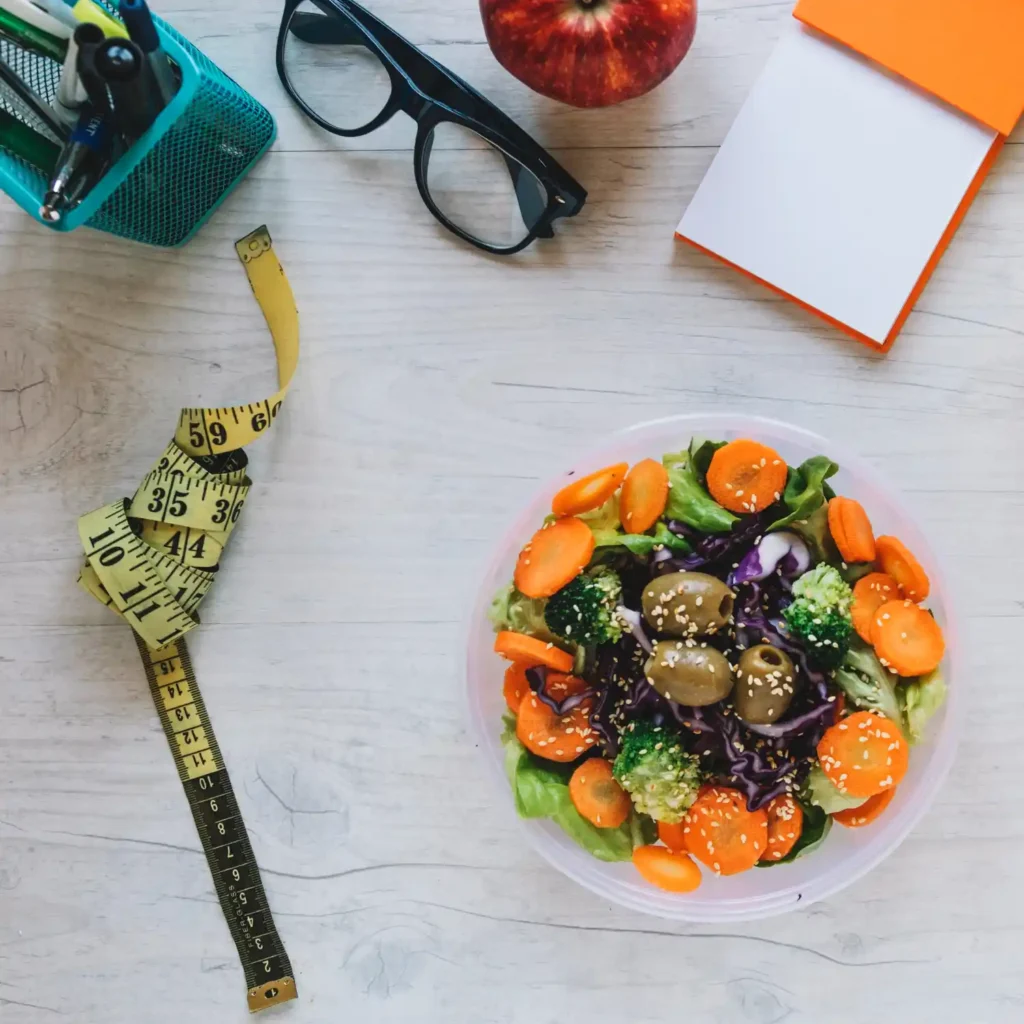
To remove the guesswork, utilize this balanced 7-day meal plan. It is designed for a standard 16:8 schedule, assuming an eating window from 12:00 PM to 8:00 PM.
The Academy of Nutrition and Dietetics emphasizes meal planning for consistent nutrient intake.
| Day | Meal 1 (12:00 PM) | Mid-Day Snack (3:30 PM) | Meal 2 (7:30 PM) |
|---|---|---|---|
| Monday | Greek yogurt bowl, chia seeds, berries | Apple slices with almond butter | Grilled chicken breast, quinoa, roasted broccoli |
| Tuesday | 3-egg spinach and feta omelet | Small handful of raw walnuts | Baked wild salmon, asparagus, sweet potato |
| Wednesday | Tuna salad in romaine lettuce wraps | One small orange or kiwi | Beef and broccoli stir-fry with cauliflower rice |
| Thursday | Avocado toast on sourdough, 2 poached eggs | Hard-boiled egg | Ground turkey tacos in lettuce cups, fresh salsa |
| Friday | Large kale salad with chickpeas, pumpkin seeds | Hummus with cucumber sticks | Grilled shrimp, sautéed zucchini, olive oil |
| Saturday | Brunch: Scrambled eggs, bacon, mixed fruit | Skip snack to rest digestion | Portobello mushroom burgers (no bun), side salad |
| Sunday | Whey protein smoothie with spinach and berries | 1/2 cup organic cottage cheese | Roasted whole chicken, root vegetables, carrots |
For more vegetable-based meal inspiration, see our guide on how to cook broccoli.
Frequently Asked Questions
Is intermittent fasting safe for everyone?
No, it is not a universal solution. Fasting is strictly discouraged for individuals with a history of eating disorders, pregnant or breastfeeding women, and anyone under the age of 18. Individuals on blood sugar medications must consult a physician to prevent severe hypoglycemic episodes.
The Mayo Clinic advises personalized medical guidance before starting any fasting protocol.
Does black coffee or tea break my fast?
For the purposes of weight loss and improving insulin sensitivity, plain black coffee and unsweetened tea do not break your fast. They contain negligible calories and will not trigger an insulin response. However, adding milk, sugar, or butter will immediately break the fasted state.
The Harvard T.H. Chan School of Public Health provides guidance on beverage choices during fasting periods.
What is the 3-3-3 rule of eating?
The 3-3-3 rule is a clinical framework for your eating window: consume no more than 3 distinct meals, ensure every plate has 3 core components (protein, healthy fats, fiber), and stop eating at least 3 hours before you go to sleep to optimize nighttime digestion.
The American Heart Association emphasizes meal timing for cardiovascular wellness.
Can I effectively exercise while in a fasted state?
Yes. Exercising in a fasted state often accelerates fat oxidation, as the body must rely entirely on stored fat for workout fuel. However, if you perform heavy weightlifting or intense cardio, schedule your workout toward the end of your fast so you can immediately refuel with protein.
The American College of Sports Medicine confirms that protein timing supports muscle preservation during weight loss.
How do I manage intense hunger pangs?
Hunger is driven by the hormone ghrelin, which operates in short waves rather than a constant build-up. These waves typically pass within 20 minutes. Drinking a large glass of sparkling water or placing a small pinch of sea salt on your tongue can quickly neutralize these temporary hunger signals.
The CDC Healthy Weight Guidelines emphasize hydration and electrolyte balance during dietary interventions.
Conclusion
Intermittent fasting is far more than a fleeting dietary trend; it is a clinical return to our ancestral, evolutionary patterns of eating and resting. When you truly understand how to execute these protocols properly, fasting becomes a powerful lever for weight management, cognitive clarity, and long-term cellular longevity.
The absolute secret to lasting success lies in personalization and patience. While a 72-hour fast might be appropriate for a seasoned practitioner, a consistent, daily 14:10 or 16:8 schedule is vastly more effective and sustainable for the average adult.
Focus on nutrient density during your eating windows, respect your body’s stress signals, and remember that consistency will always outperform extreme intensity. Your body wants to heal and find balance; you simply have to give it the time and the environment to do so.
For more balanced meal inspiration during eating windows, explore our chicken and broccoli recipe to complement your fasting protocol with nutrient-dense whole foods.
Authoritative References
- Mayo Clinic. (2026). Nutrition and healthy eating. https://www.mayoclinic.org/healthy-lifestyle/nutrition-and-healthy-eating
- Harvard T.H. Chan School of Public Health. (2026). The Nutrition Source. https://www.hsph.harvard.edu/nutritionsource/
- National Institutes of Health. (2026). Health information and research. https://www.nih.gov/
- CDC. (2026). Chronic disease prevention and healthy living. https://www.cdc.gov/
- FDA. (2026). Food labeling and nutrition. https://www.fda.gov/food/food-labeling-nutrition
- American Heart Association. (2026). Healthy eating recommendations. https://www.heart.org/
- Academy of Nutrition and Dietetics. (2026). Fasting and nutrient timing. https://www.eatright.org/
- Cleveland Clinic. (2026). Health essentials and patient guidance. https://my.clevelandclinic.org/health
- Johns Hopkins Medicine. (2026). Nutrition and metabolic health. https://www.hopkinsmedicine.org/health
- World Health Organization. (2026). Healthy diet fact sheet. https://www.who.int/health-topics/healthy-diet

