



If you have ever found yourself with an abundance of summer produce or a massive harvest from your garden, you have likely asked: ” Can you freeze eggplant? The short answer is yes, but unlike sturdier vegetables like carrots or peas, eggplant requires a specific strategy to maintain its integrity.
Because eggplant is roughly 90% water and possesses a unique, spongy cellular structure, simply tossing a whole fruit into the freezer is a recipe for a soggy, unappetizing disaster. According to the USDA FoodData Central, eggplant is low in calories yet rich in fiber and anthocyanins—making proper preservation essential for retaining these nutrients.
Freezing is an essential skill for home cooks, meal preppers, and gardeners alike. It allows you to preserve the peak-season flavor of this versatile nightshade for up to a year. However, to do it successfully, you must understand how cold temperatures interact with the eggplant’s enzymes and moisture.
The National Center for Home Food Preservation emphasizes that proper technique prevents nutrient loss and food waste. In this comprehensive pillar guide, we will explore every method available—from blanching fresh slices to preserving fully cooked frozen eggplant dishes like Parmesan and Caponata—ensuring your kitchen remains waste-free and your meals remain delicious.
For a delicious application of frozen eggplant, try our eggplant parm pizza that showcases how preserved eggplant absorbs complementary flavors beautifully.
Can You Freeze Eggplant Raw?
A common question among beginners is: Can you freeze eggplant raw without any prior preparation? While it is physically possible to put a raw eggplant in the freezer, it is generally discouraged for anyone who cares about the final texture of their food.
The University of Minnesota Extension confirms that raw freezing of high-moisture vegetables typically results in significant texture degradation.
The Science of Freezing Raw Eggplant
When you freeze raw eggplant, the water inside the cells expands and forms ice crystals. Because the cell walls of an eggplant are relatively weak and porous, these crystals rupture the structure of the vegetable.
When thawed, the eggplant loses its “crunch” or “bite” and becomes incredibly mushy. Research from PennState Extension notes that ice crystal formation is the primary cause of texture loss in frozen produce.
Furthermore, raw eggplant contains active enzymes that continue to work even at sub-zero temperatures. These enzymes cause the flesh to turn brown and develop a bitter, off-flavor over time. If you are asking, can you freeze eggplant without cooking it?
The answer is yes, but only if you plan to use it in a puréed dish like a soup or a dip where the texture doesn’t matter. Understanding that olive oil is good for cooking helps you select fats that enhance preserved eggplant dishes later.
When Raw Freezing is Acceptable
If you must freeze raw eggplant due to a time crunch, ensure it is used in “mash” style recipes. For all other culinary applications—frying, roasting, or layering—pre-treating the vegetable is mandatory to avoid a “watery” mess.
The Mayo Clinic advises that proper food preservation techniques maintain both safety and nutritional value.
Does Eggplant Need to Be Blanched Before Freezing?
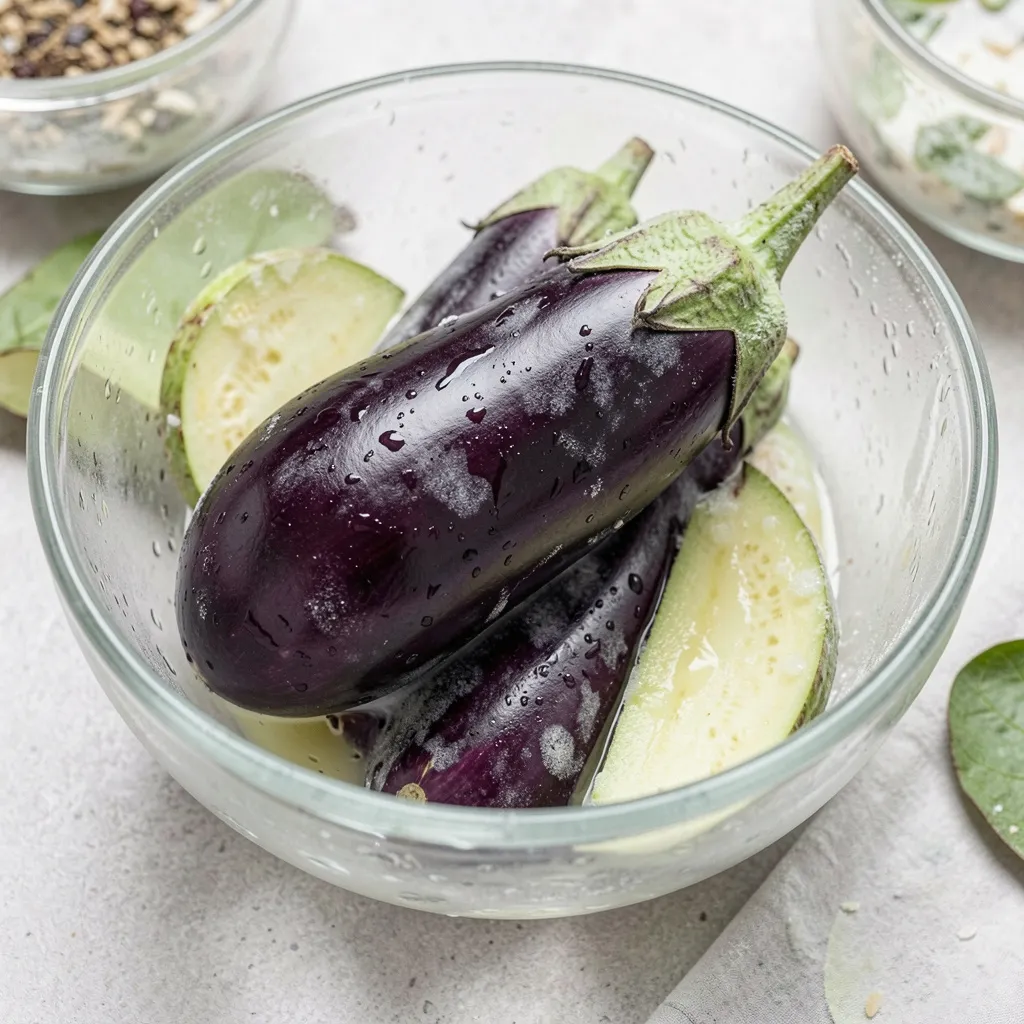
In the world of food preservation, blanching is the process of briefly scalding a vegetable in boiling water or steam, followed by an immediate ice bath.
But does eggplant need to be blanched before freezing? For the vast majority of use cases, the answer is a resounding yes. The Iowa State University Preserve the Taste of Summer program confirms that blanching is critical for maintaining vegetable quality during frozen storage.
Why Blanching is Recommended
Blanching serves three critical purposes:
- Enzyme Inactivation: It stops the enzymatic actions that cause browning and bitterness.
- Texture Preservation: Partially cooking the outer layers strengthens the cell walls against ice crystal damage.
- Color Retention: It helps the eggplant maintain its creamy white interior rather than turning a murky grey.
The Academy of Nutrition and Dietetics emphasizes that blanching preserves vitamins and minerals that would otherwise degrade during frozen storage.
Freezing Eggplant Without Blanching
While you can freeze eggplant without blanching, the storage life drops significantly. Unblanched eggplant usually begins to degrade in quality after just 4 to 6 weeks, whereas blanched eggplant can stay high-quality for 9 to 12 months.
If you are a gardener with a large surplus, skipping this step is a mistake that will lead to a lot of wasted effort come winter. For more vegetable prep inspiration, see our guide on how to cook broccoli.
How to Blanch Eggplant Before Freezing
Mastering how to blanch eggplant is the most important step in the preservation process. Follow these steps to ensure professional-grade results.
Preparation
Wash the eggplant and remove the stem. You can choose to peel it or leave the skin on; however, for freezing, leaving the skin on helps the slices hold their shape. Slice the eggplant into 1/2-inch thick rounds or 1-inch cubes.
The Boil
Bring a large pot of water to a rolling boil. Add about 1/2 cup of lemon juice to the water—this acidity prevents the eggplant from darkening. Submerge the slices and boil for 4 minutes. The Cleveland Clinic notes that acidic water helps preserve the color and nutrient content of vegetables during blanching.
The Ice Bath
Immediately remove the eggplant with a slotted spoon and plunge it into a bowl filled with ice and cold water. Leave it there for another 4 minutes. This “shocks” the vegetable and stops the cooking process instantly.
Drying
This is the most overlooked step. Use paper towels or a clean kitchen cloth to pat the slices completely dry. Any surface moisture will turn into ice crystals, leading to freezer burn. The FDA Food Safety Guidelines emphasize that proper drying prevents ice crystal formation and maintains food quality.
How to Freeze Eggplant Slices
Once blanched and dried, you are ready to learn how to freeze eggplant slices for future use in stir-fries or as a base for pizzas.
Single-Layer Freezing (Flash Freezing)
Never throw slices directly into a freezer bag; they will freeze into one solid, inseparable block. Instead, use the single-layer method:
- Place the dried slices on a baking sheet lined with parchment paper.
- Ensure they are not touching.
- Place the tray in the freezer for 2 to 3 hours until the slices are “flash-frozen” and rock hard.
Long-Term Storage
Once the slices are individually frozen, transfer them into a heavy-duty freezer bag or a vacuum-sealed bag. Squeeze out as much air as possible. Because the slices were flash-frozen, you can now reach into the bag and pull out exactly the amount you need for a single meal. Pair frozen eggplant with our homemade marinara sauce for quick, flavor-packed meals year-round.
Can You Freeze Eggplant Whole?
If you are looking for a shortcut, you might wonder: can you freeze eggplant whole? While you can technically do this, it is highly inefficient and produces poor results.
Problems with Whole Freezing
A whole eggplant takes a very long time to freeze to the core, allowing large ice crystals to form and turn the interior into mush. Additionally, a whole frozen eggplant is difficult to work with. You cannot slice it while frozen, and once it thaws, it collapses.
The Harvard T.H. Chan School of Public Health notes that proper portioning before freezing preserves both texture and nutrient density.
The Better Alternative
If you want to preserve the essence of a whole eggplant, the best method is to roast it whole first. Prick the skin, roast it until the flesh is soft, scoop out the “guts,” and freeze the purée. This is perfect for making Baba Ganoush later in the year. For air fryer enthusiasts, explore our PowerXL air fryer recipes for beginners to achieve roasted results with less energy.
How to Freeze Eggplant from the Garden
Gardeners often face the “eggplant explosion” in late August. How to freeze eggplant from the garden requires a “batch processing” mindset to handle the volume.
Harvest Timing
For the best freezing results, harvest eggplants when they are slightly under-mature. They should be heavy for their size with shiny, tight skin. Over-mature eggplants have more seeds, which turn bitter and tough when frozen.
The Johns Hopkins Medicine recommends selecting produce at peak ripeness for optimal nutrient retention during preservation.
Batch Processing
If you have “too many eggplants,” set up a station: one pot for boiling, one bowl for ice, and several trays for flash freezing. Processing 10–20 eggplants at once and then bagging them by weight (e.g., 1lb bags) makes winter meal planning significantly easier.
Understanding that fried food is bad for heart health helps you balance preserved eggplant preparations with heart-healthy choices.
Can You Freeze Cooked Eggplant?
The versatility of eggplant means it can be sautéed, roasted, or fried before it ever reaches the freezer. If you have leftovers or are meal-prepping for the month, you may ask: Can you freeze cooked eggplant without losing that delicious texture?
Texture Differences by Cooking Method
The success of freezing cooked eggplant depends heavily on how it was initially prepared:
- Roasted Eggplant: This is the most “freezer-friendly” cooked version. Because roasting removes a significant amount of moisture, the cell structure is already condensed, making it less prone to becoming mushy after thawing.
- Sautéed Eggplant: This is more delicate. If the eggplant was sautéed with a lot of oil, the oil can sometimes separate or become slightly rancid if stored too long.
- Fried Eggplant: Deep-fried or pan-fried slices freeze exceptionally well, especially if they are breaded. The crust acts as a protective barrier for the soft interior.
The American Heart Association recommends using heart-healthy oils and moderation when preparing frozen eggplant dishes.
Reheating Tips for Cooked Eggplant
To avoid the “microwaved mush” effect, always reheat cooked eggplant in a conventional oven or an air fryer. This helps to re-evaporate any moisture that accumulated during the freezing process and restores the original texture.
Can You Freeze Breaded Eggplant?
For many, breaded eggplant is a staple for sandwiches and appetizers. Can you freeze breaded eggplant? Absolutely—in fact, many professional kitchens prefer to freeze breaded eggplant before cooking to help the breading adhere better.
Raw vs. Pre-Fried Breaded Eggplant
- Freezing Raw Breaded Slices: Slice, salt to remove moisture, dip in flour/egg/breadcrumbs, and then flash-freeze on a tray. This allows you to have “ready-to-fry” slices on hand.
- Freezing Pre-Fried Slices: If you have already fried your breaded eggplant, let the slices cool completely on a wire rack. This prevents steam from being trapped in the container, which would make the breading soggy.
How to Freeze Eggplant for Frying
The secret to how to freeze eggplant for frying later is the double-breading technique. A slightly thicker crust helps protect the vegetable from freezer burn. When you are ready to eat, you can take these slices directly from the freezer to the hot oil or air fryer—no thawing required.
Can You Freeze Eggplant Parmesan?
This is the “holy grail” of eggplant preservation. Since the dish is labor-intensive, making a double batch is a smart move. Can you freeze eggplant parmesan? Yes, it is one of the most freezer-stable Italian dishes available.
Best Freezing Stage
You have two choices: freeze it before you bake it, or freeze the leftovers after it has been cooked.
- The Pro Choice: Freeze it before baking. This ensures that when you finally do cook it, the cheese melts for the first time, and the eggplant doesn’t get overcooked or “mushy” from being heated twice.
- Portion Sizes: Avoid freezing a giant family-sized tray unless you plan to feed a crowd. Instead, freeze in individual or two-person portions using foil containers.
Freezer Containers
To prevent the sauce from drying out, use an airtight lid and then wrap the entire container in a double layer of heavy-duty aluminum foil. This prevents the “ice crystals” from forming on the surface of the cheese.
Eggplant Parmesan: Before vs. After Baking
If you are debating whether you can freeze eggplant parmesan before baking versus after, consider the texture.
- Texture Comparison – Before Baking: The eggplant retains more “bite.” The breading (if used) stays crisper because it only goes through the high-heat oven cycle once.
- Texture Comparison – After Baking: The flavors of the sauce and eggplant have had more time to meld, but the eggplant will be much softer. This is perfectly fine for those who prefer a “lasagna-style” texture.
How Long Can You Freeze Eggplant Parmesan?
When properly wrapped, an unbaked eggplant Parmesan can last 3 to 4 months in the freezer. A pre-baked version should be consumed within 2 months for the best quality.
For those managing blood sugar, eggplant Parmesan made with whole-grain breading can fit into a balanced diet—explore our guides on pumpkin recipes for diabetics and are black beans good for diabetics for more diabetes-friendly meal inspiration.
The American Diabetes Association recommends non-starchy vegetables like eggplant as foundational foods for balanced blood sugar management.
Can You Freeze Eggplant Lasagna, Rollatini & Casseroles?
Eggplant is often used as a low-carb substitute for pasta. Can you freeze eggplant lasagna or rollatini? These dishes present a unique challenge because they often involve dairy like ricotta or mozzarella.
Dairy and Sauce Effects
Ricotta cheese can sometimes become slightly “grainy” after being frozen and thawed. To mitigate this, ensure your eggplant lasagna has plenty of sauce. The moisture in the sauce helps protect the cheese during the freezing process.
Baking from Frozen
For eggplant casseroles and lasagna, you can bake them directly from the freezer. Simply add 15–20 minutes to the original baking time and keep the dish covered with foil for the first half of the cooking time to ensure the center thaws and heats through without burning the top.
The World Health Organization encourages meal prepping with vegetables to support consistent healthy eating patterns.
Can You Freeze Eggplant Dip, Curry & Caponata?
Liquid-heavy dishes like eggplant curry or caponata are some of the easiest things to freeze because the texture of the eggplant is already meant to be soft.
How to Freeze Eggplant Indian Style
For Baingan Bharta or other Indian curries, wait for the dish to cool to room temperature. Freeze in heavy-duty freezer bags and lay them flat. This “flat-pack” method saves space and allows the curry to thaw much faster.
Oil and Spice Separation
In dishes like Caponata, you may notice some oil separation after thawing. This is normal. Simply stir the dish vigorously while reheating on the stovetop to re-emulsify the oils and spices. Can you freeze eggplant dip like Baba Ganoush?
Yes, but be aware that it may require a quick pulse in the blender after thawing to restore its creamy consistency. For weight management goals, understanding foods that burn belly fat fast can complement your plant-forward meal prep strategy.
How Long Can You Freeze Eggplant?
Even the most perfectly prepared vegetable has a shelf life. Knowing how long you can freeze eggplant depends entirely on the method of preparation and the quality of your packaging.
Storage Times by Category
- Blanched Slices/Cubes: 9 to 12 months. This is the most stable form.
- Roasted or Puréed Eggplant: 6 to 8 months. The lack of air pockets in purées helps prevent freezer burn.
- Breaded Eggplant (Raw): 4 to 6 months. Over time, the breadcrumbs can absorb odors from the freezer.
- Cooked Dishes (Parmesan, Lasagna): 3 to 4 months. After this point, the dairy and sauces begin to degrade in flavor.
Pro Tip: Always label your bags with the date and the specific method used (e.g., “Blanched – Aug 2026”). In a crowded freezer, it is easy to mistake blanched eggplant for zucchini or squash. The National Institutes of Health confirms that proper labeling prevents food waste and supports safe consumption practices.
Best Way to Preserve Eggplant
While freezing is the focus of this guide, it is worth asking: What is the best way to preserve eggplant? The answer depends on your intended use.
Method Comparison
| Method | Best For | Storage Duration |
|---|---|---|
| Freezing | Convenience and versatility | 3-12 months |
| Pickling | Flavor and pantry storage | Up to 1 year |
| Drying (Dehydration) | Space-saving and snacking | 6-12 months |
Freezing: Best for convenience and versatility. It keeps the vegetable closest to its “fresh” state for use in hot dishes.
Pickling: Best for flavor. Mediterranean-style pickled eggplant in oil and vinegar can last a year in the pantry and offers a tangy contrast to heavy meals.
Drying (Dehydration): Best for space-saving. Dried eggplant slices can be rehydrated for stews, but they lose the “creamy” texture that makes eggplant famous.
For the average home cook, freezing remains the gold standard because it allows for the widest variety of recipes later on.
Can You Freeze Eggplant in the Fridge?
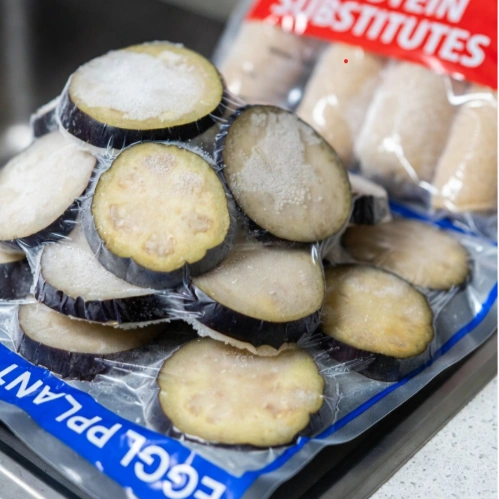
There is often confusion between refrigeration and freezing. To clarify: can you freeze eggplant in the fridge? No. A refrigerator maintains a temperature of approximately 34°F to 40°F (1°C to 4°C), which is not cold enough to freeze the water content.
Shelf Life Comparison
- Refrigerator: A fresh eggplant will last only 3 to 5 days. It is highly sensitive to ethylene gas (produced by apples and bananas) and will soften quickly.
- Freezer: Maintains a temperature of 0°F (-18°C), stopping biological decay and allowing for months of storage.
If you aren’t going to eat your eggplant within 72 hours of purchase or harvest, you should begin the freezing process immediately to lock in the nutrients. The Mayo Clinic advises that timely food preservation maintains both safety and nutritional value.
Common Freezing Mistakes to Avoid
Many people have a bad experience with frozen eggplant because they skip the details. Avoid these three common pitfalls:
1. Skipping the Moisture Removal
Eggplant is a sponge. If you don’t pat it dry after blanching, or if you don’t salt it before breading, that excess water will turn into ice. This leads to freezer burn, which manifests as dry, grey, or “woody” patches on the vegetable.
2. Freezing Whole or in Large Clumps
As discussed, freezing an eggplant whole is a recipe for mush. Similarly, putting many fresh slices into one bag without “flash freezing” them first creates a block that is impossible to portion out without thawing the entire bag.
3. Poor Packaging
Air is the enemy of frozen food. If you use thin sandwich bags instead of heavy-duty freezer bags, or if you fail to squeeze out the air, your eggplant will develop a “freezer taste” within weeks. The Penn State Extension emphasizes that proper packaging is critical for maintaining frozen food quality.
Frequently Asked Questions
Can eggplant be cut up and frozen?
Yes, cutting eggplant into 1/2-inch slices or 1-inch cubes is the best way to freeze it. This increases the surface area for blanching and allows for faster freezing, which preserves the texture better than freezing whole. The University of Minnesota Extension confirms that smaller portions freeze more evenly.
Does eggplant need to be blanched before freezing?
Yes, if you want it to last longer than a month. Blanching for 4 minutes in boiling water with a splash of lemon juice stops the enzymes that cause browning and bitterness.
Can you freeze eggplant without cooking it?
Technically, yes (blanching is only partial cooking), but you cannot freeze it “fresh” or raw without significant quality loss. Raw frozen eggplant becomes watery and bitter when thawed.
Can you freeze eggplant parmesan after baking?
Yes. Let it cool completely in the fridge first to avoid steam buildup, then wrap it tightly. It is a great way to save leftovers for a quick lunch later.
What is the best way to preserve eggplant?
Blanching followed by flash-freezing slices on a baking sheet is the most effective method for maintaining taste, color, and texture for up to a year. For more balanced meal inspiration, explore our chicken and broccoli recipe to complement your preserved eggplant creations.
Conclusion
In the final assessment, the answer to can you freeze eggplant is a resounding yes—provided you respect the vegetable’s high water content. Eggplant is not a “toss and go” vegetable like a berry; it requires the extra step of blanching or pre-cooking to truly succeed in the cold.
By following the 2026 guidelines laid out in this pillar guide, you can enjoy the “king of vegetables” regardless of the season. Whether you are stocking up on canned eggplant parmesan for busy weeknights or processing a garden harvest into blanched slices, you now have the tools to prevent waste and maximize flavor.
For antioxidant-rich ingredient inspiration, explore our guide on the benefits of cloves to enhance your preserved eggplant dishes with complementary spices.
Authoritative References
- USDA FoodData Central. (2026). Eggplant, raw. https://fdc.nal.usda.gov/
- National Center for Home Food Preservation. (2026). Freezing eggplant. https://nchfp.uga.edu/
- University of Minnesota Extension. (2026). Freezing vegetables for quality. https://extension.umn.edu/preserve-and-prepare/freezing-vegetables
- Safe food temperatures: Heating and cooling. https://extension.umn.edu/food-safety-basics/safe-food-temperatures
- Fats and Cholesterol. https://nutritionsource.hsph.harvard.edu/what-should-you-eat/fats-and-cholesterol/
- FDA. (2026). Buy, store, and serve safe food. https://www.fda.gov/food/buy-store-serve-safe-food
- Mayo Clinic. (2026). Nutrition and healthy eating. https://www.mayoclinic.org/healthy-lifestyle/nutrition-and-healthy-eating
- Harvard T.H. Chan School of Public Health. (2026). The Nutrition Source: Vegetables. https://www.hsph.harvard.edu/nutritionsource/vegetables/
- Academy of Nutrition and Dietetics. (2026). Smart ways to preserve vegetables. https://www.eatright.org/
- Cleveland Clinic. (2026). Food safety and preservation. https://my.clevelandclinic.org/health

